




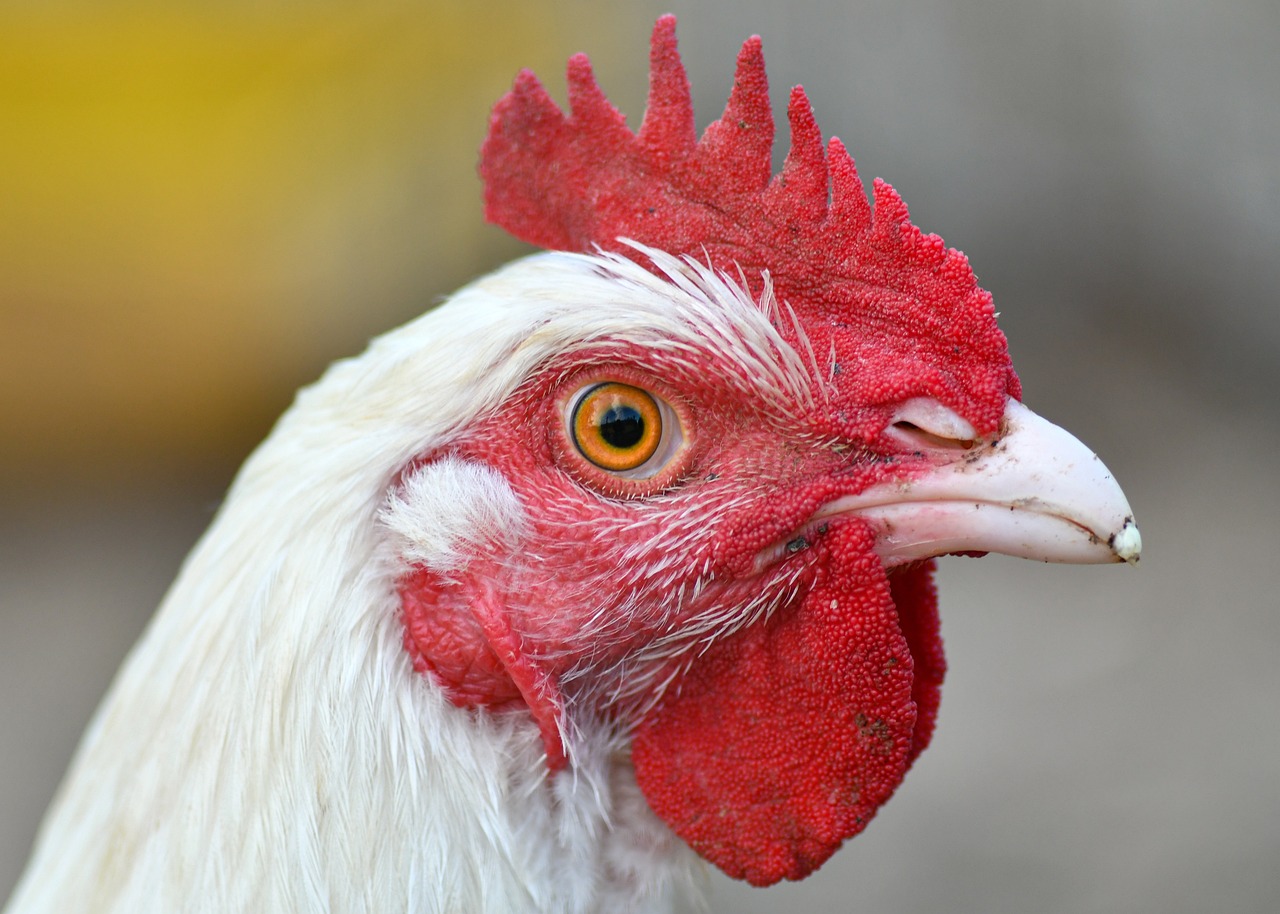
CHARLESTON, W.Va. — The West Virginia Department of Agriculture confirmed a case of highly pathogenic avian influenza in a backyard flock in Jackson County on Dec. 5.
This is only the third detection of H5N1 bird flu in domestic birds in West Virginia since the global outbreak began in early 2022. The WVDA did not report how many birds were affected, and the case had not yet been added to the U.S. Department of Agriculture’s case map.
The diagnosis was confirmed following a field investigation, sample collection and testing at WVDA’s Animal Health NAHLN lab in Moorefield, the WVDA said in a statement. The affected premise has been placed under quarantine to protect nearby flocks and ensure the continued safety of the commercial food supply.
“As we enter the winter migration season, this case should serve as a reminder that backyard flocks are especially vulnerable when wild birds are on the move,” said West Virginia Commissioner of Agriculture Kent Leonhardt. “We urge all poultry owners—large and small—to take extra precautions. Simple steps like keeping birds enclosed, limiting visitors, and preventing contact with wild waterfowl can make all the difference in stopping the spread of this virus.”
The department of agriculture notified industry partners and state health officials and will continue following established response protocols.
The H5N1 bird flu hit two backyard flocks in the state, impacting 259 birds, but no commercial flocks have been affected. Poultry and eggs are the top agricultural industries in West Virginia, making up more than half of the state’s total agricultural sales.
The H5N1 bird flu outbreak has affected 184 million domestic poultry in 1,908 flocks in all 50 states and in 1 territory in the last three years. Domestic egg prices reached record highs in early 2025, in large part due to H5N1 outbreaks in egg-laying flocks.
Background
Avian influenza is an airborne respiratory virus that spreads through respiratory secretions, manure and contaminated surfaces. Wild migratory waterfowl serve as natural carriers, putting outdoor and backyard flocks at increased risk. While HPAI has been detected in some mammal species, including dairy cattle herds, the U.S. Centers for Disease Control and Prevention notes that the public health risk remains low. Properly handling and thoroughly cooking poultry and eggs remains safe.
To prevent the spread of HPAI, WVDA urges poultry owners to:
- Keep backyard flocks enclosed or under cover to prevent contact with wild birds.
- Remove or secure outdoor feed that may attract wildlife.
- Limit and record movement of people, vehicles, and animals on the property.
- Restrict access to essential personnel only.
- Avoid visiting other poultry operations or mixing birds from different locations.
- Disinfect equipment, footwear, and tools after contact with birds.
- Isolate any ill animals and contact a veterinarian immediately.
Poultry owners should report unusual death loss, a sudden drop in egg production, or any sick domestic birds to the WVDA Animal Health Division at 304-558-2214.





70 Black Vultures were found dead in Ohio’s Pierce Twp., Clermont County. ODNR says it’s “bird flu.”
https://ccphohio.org/2025/12/08/vultures-in-pierce-township-died-of-bird-flu/