




SALEM, Ohio — When Amanda Pitzer first heard that West Virginia would receive abandoned mine land funding through the 2021 Bipartisan Infrastructure Investment and Jobs Act, she was stoked.
“Not only can we take care of the priority ones and twos, but we can take care of the problems that the communities really want dealt with,” said Pitzer, the executive director of the non-profit Friends of the Cheat in Preston County, West Virginia.
The organization works to address acid mine drainage in the Cheat River watershed in northern West Virginia.
But now, this work has gotten even harder to carry out after the U.S. Senate voted to pass a bill on Jan. 15 that claws back funding for these abandoned mine land reclamation projects — part of a larger effort by the Trump Administration to redirect funds originally appropriated by the former Biden Administration.
Pennsylvania stands to lose the most abandoned mine land, or AML, funding — over $169 million — if President Donald Trump signs House Bill 6938 into law. West Virginia would see a reduction of $97 million in funding.
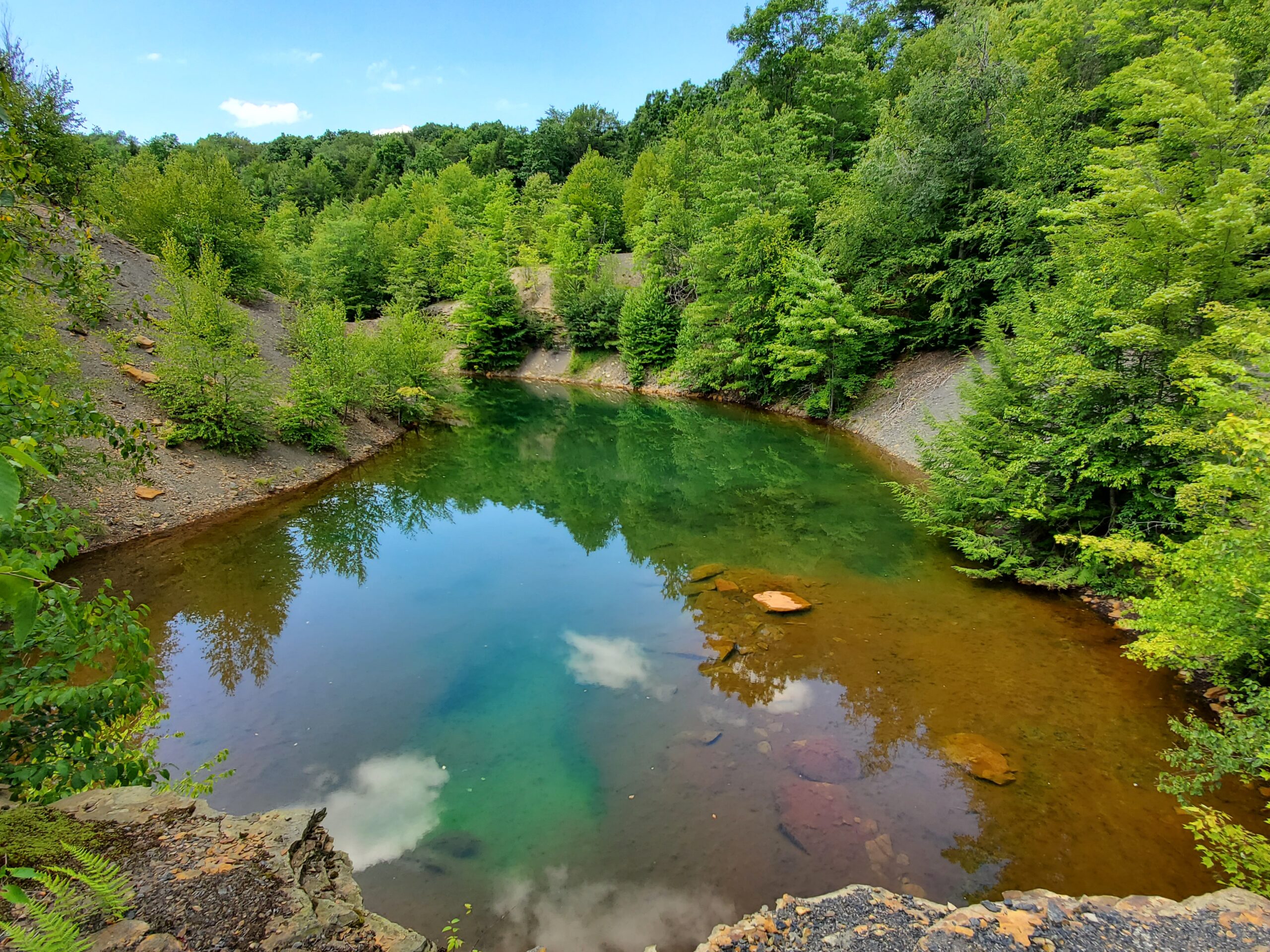
The AML fund is crucial to cleaning up acid mine drainage — water polluted from coal mining — that is widespread across Pennsylvania, West Virginia and Ohio, and continues to threaten local ecosystems.
“Less money in the AML fund means less reclamation bottom line, and what does that mean for the AML communities?” said Pitzer. “(It means) that we’re still going to be left holding the bag and carrying the burden of an industry that was not tasked with cleaning up itself.”
Redirecting funds
House Bill 6938, passed by the House in a 397-28 vote and Senate in an 82-15 vote, dictates financial support to federal departments and agencies for the 2026 fiscal year.
This bill includes cutting $500 million from the Abandoned Mine Land Fund, funding originally allocated from the IIJA Act. States set to lose AML money include Pennsylvania, West Virginia, Tennessee, Kentucky, Virginia, Alabama and Illinois and the Navajo Nation.
The redirected funds will instead go to support wildfire management and National Forest Service operations.
Some are relieved to hear this news, like Theresa Pierno, president and CEO for the National Parks Conservation Association, who said in a statement that NPCA and park advocates “have been sounding the alarm on the need for park funding and staffing for months.”
But while others celebrate, non-profit organizations and conservation districts working on the ground to clean up pollution in historic coal mining communities are sounding their own alarm.
Community impact
According to Pitzer, the Trump administration’s “clawback” has her organization and others across West Virginia and Pennsylvania left scrambling without funding they planned for:
“All of these projects rely on that long-term commitment,” Pitzer said. “And if we keep changing the game and shifting money here and there, all of that planning and all of those decision makings and that assurance… it’s eroding the trust, right? It’s eroding the confidence of the state programs to want to invest in water treatment.”
In the past, Friends of the Cheat has used funding from the U.S. Environmental Protection Agency’s 319 Grant Program to clean up non-point source pollution, which includes AMD. The organization received $55,950 through the program in December.
But Pitzer’s says it is not enough — large-scale projects require over a million dollars.
“The total available money to the state in one year is just over a million dollars,” she said. “So for 30 years, we’ve picked off the low-hanging fruit, those projects that were affordable, that we could do, that also made enough (of a) difference by reducing pollutants that it added up.”
IIJA would have helped non-profit organizations maintain water treatment systems and given them more funding for bigger projects.
A high cost
Acid mine drainage projects can be costly, as there are multiple steps to clean it up properly.
This includes hiring a team to analyze the site for a year by taking water and soil samples; paying a team of engineers to use this site data to design a treatment system and employing a company to do the “earth work” — moving the dirt and constructing the site.
“That is really where the cost shoots up,” said Kelly Williams, watershed specialist for the Clearfield County Conservation District in west central Pennsylvania, whose main job focuses on protecting and cleaning up the streams in the county. Moving dirt is expensive, especially on sites that are hundreds of acres.
Waterways with AMD are also extremely acidic. To treat these sites, lime is required to remove manganese, a heavy metal common in AMD; trucking and purchasing these products incurs more costs. Once the project is completed, some sites need to be maintained by personnel if they are undergoing active treatment — more money.
According to the Western Pennsylvania Conservancy, over half of all Pennsylvania counties have been impacted by abandoned coal mines, and 1.4 million Pennsylvanians live within one mile of abandoned mine lands.
In Clearfield County, where Williams works, there are over 630 mine land features, and 676 streams impaired by AMD. Clearfield County Conservation District has already received two grants through the AML funding.
This includes funding to put a passive treatment system in the Morgan Run Watershed, something that would not have been “monetarily possible without this kind of funding source,” Williams said.
The conservation district has previously received funding through the EPA’s 319 program and the Pennsylvania Department of Environmental Protection’s Growing Greener Plus Grant program. But today, federal grants are the conservation district’s primary source of AMD funding.
The loss of AML will impact the district’s ability to support future projects.
Meanwhile, the need for these projects is still great. Already, these areas were left economically destitute after the coal companies left, Williams says.
“In addition to that, they’re also surrounded by what we call bony piles, like coal refuse piles, and the waterways (are) orange and dead, and so they (don’t) have life in them (and aren’t) recreationally valuable either,” she said.
Drinking water sources are also impacted by AMD, and if residents need to buy fresh water in bulk or pay to treat this water, “it hits the wallet for these communities,” Williams said.
AML-funded projects help fix these problems, while also providing jobs in economically depressed areas and bringing back recreational activities.
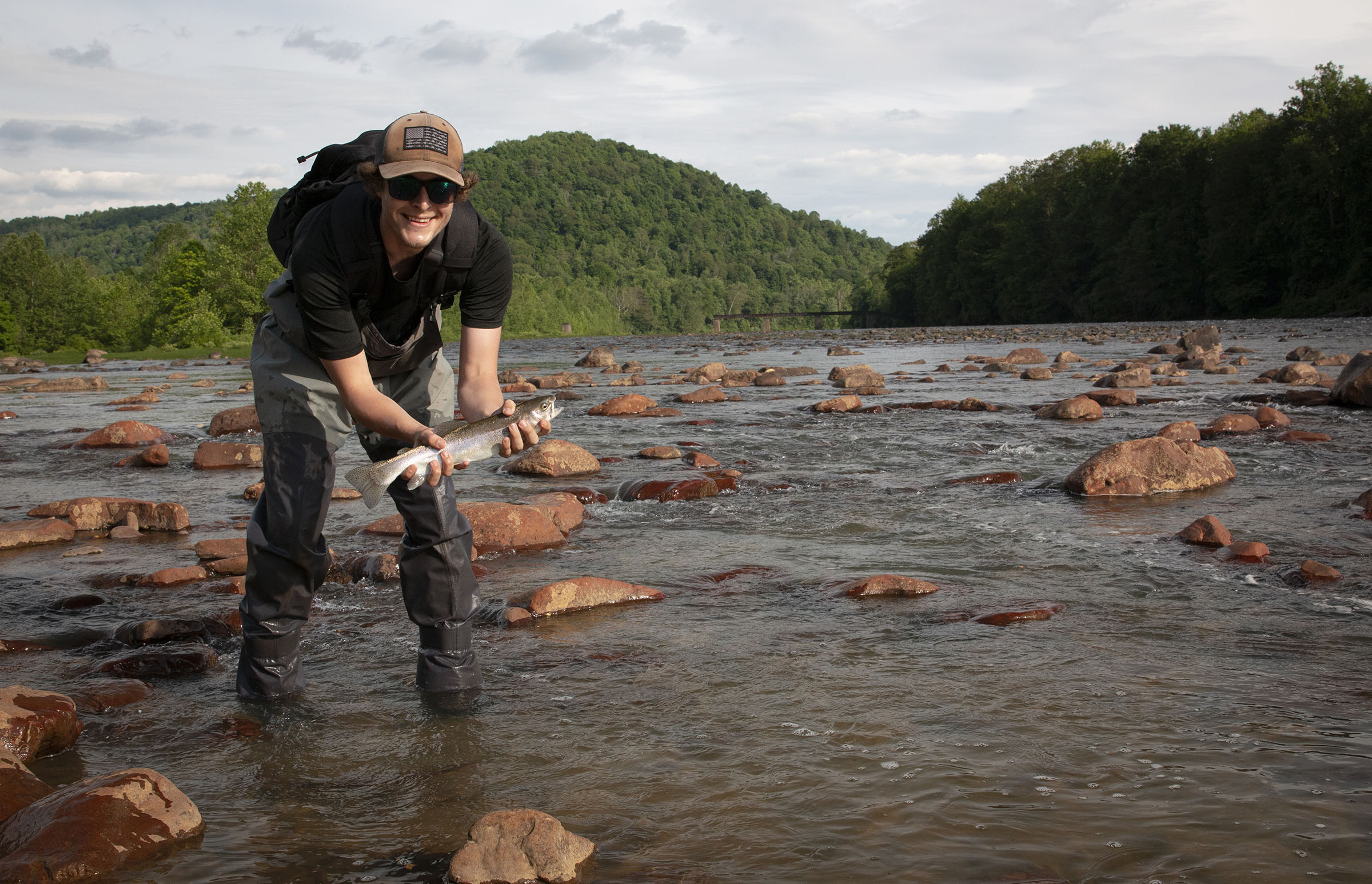
Pitzer, who has worked with the Friends of the Cheat for 15 years, has seen the impact of AMD projects on local communities. Not only do they restore wildlife to waterways, but they bring people back to the river — they bring back hope.
“Seeing people come back, bring their kids and say, I never thought it was going to get any better, and it’s better, that gives people hope and inspires people to take on hard problems in their community,” Pitzer said. “And that’s the thing that makes me sad about this, is that our local folks see this (clawback as a) broken promise.”
(Liz Partsch can be reached at epartsch@farmanddairy.com or 330-337-3419.)





Where in blazes are the MINING COMPAMIES that profited from coal mining and caused this mess?
Why are they not held to account?
I smell a rat (pay-offs) here–please excuse my skepticism.
All these “alphabet soup” agencies in DC–and the problem is not addressed nor solved. Is this effective government?