


When I travel, I choose a notebook that will hold every idea and interview from my trip. There’s a shelf at home full of black hardcover books inscribed with chicken-scratch shorthand and long, reflective journal entries.
My notebook this past October was splashed with lake water and sardine oil, its pages stained with spilled tea and the cover marked with red dirt. It traveled with me to Kenya to explore farms, food and agriculture research sites funded by U.S. taxpayers.
For two weeks, I traversed the country, for a few days with a group of international agriculture journalists from around the world, the rest self-guided. It’s a rhythm I know well: I’ve spent more time abroad this year than at home.
What I traveled to see – an agriculture industry that is growing, yet still deeply connected to tradition and smallholder status.
Nairobi, the capital of Kenya, is a hub for food and business development projects in East Africa. It’s a common stop for travelers, like me, and hosts the newest headquarters for the United Nations, also rich in safari tourism.
Kenya has a rich agricultural landscape—like every country on the planet. It supplies products that end up on North American tables, such as coffee and tea, and supports European markets with 85% of their imported avocados. And its core crops: cassava, maize, potatoes and sugarcane define the local diet.
I knew before my travels to Sub-Saharan Africa that 75% of impoverished communities rely on agriculture for their livelihoods and face diseases like malaria and hunger, which will still challenge parts of the continent in 2025. Yet once you travel here, you notice instead a bustling ecosystem of people and markets – movement that is normal in both cities and rural villages alike.
Visitors are greeted with a “feel most welcome” and the regular “Jambo,” a hello greeting. Around the country, you can hear those greetings spoken in a blend of English and Swahili, both official languages of the Republic.
Kenya is bordered by coffee-rich Ethiopia, safari-dense Tanzania and the conflict-strained South Sudan. Visiting agriculture in foreign countries connects a visitor—or a journalist—with real, grounded experiences.
Drinking the same language
Once you leave the United States, economic scales shift into perspective. Subsistence farming is common. The currency conversion to Kenyan shillings stretch your dollar to greater value and markets operate on the fundamentals. Bartering, negotiating and obtaining goods straight from their source are the foundation of a marketplace untouched by long supply chains.
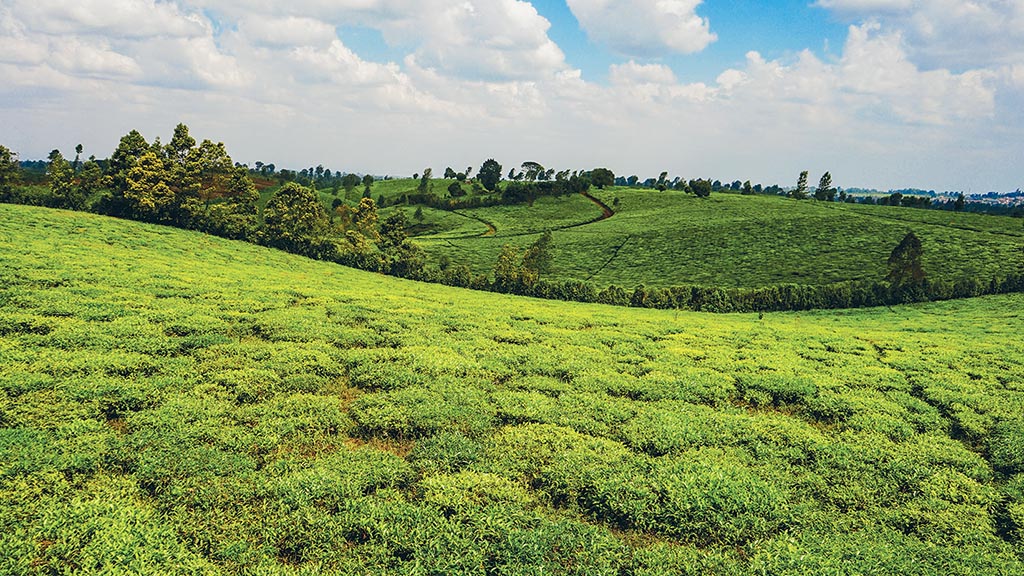
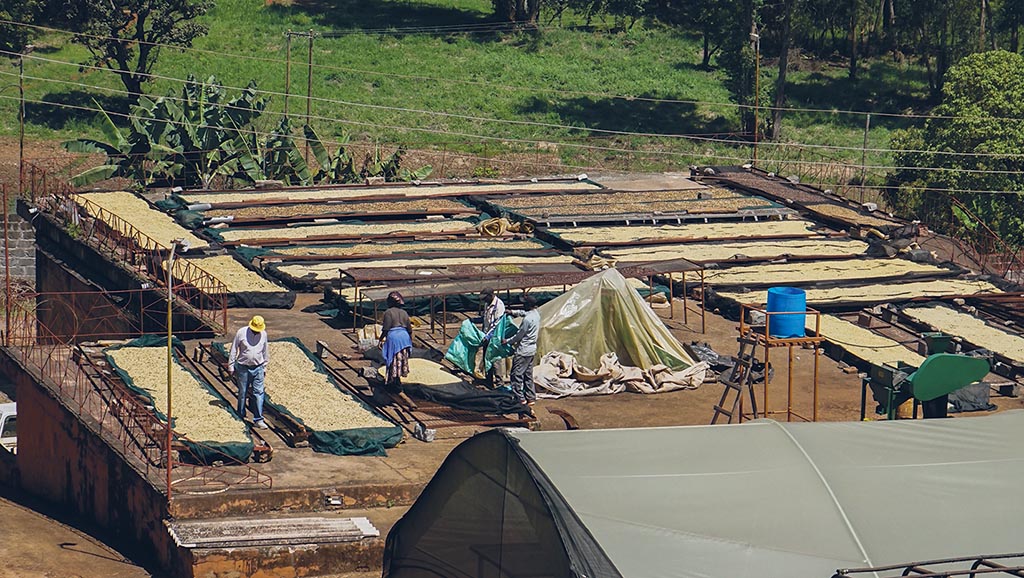
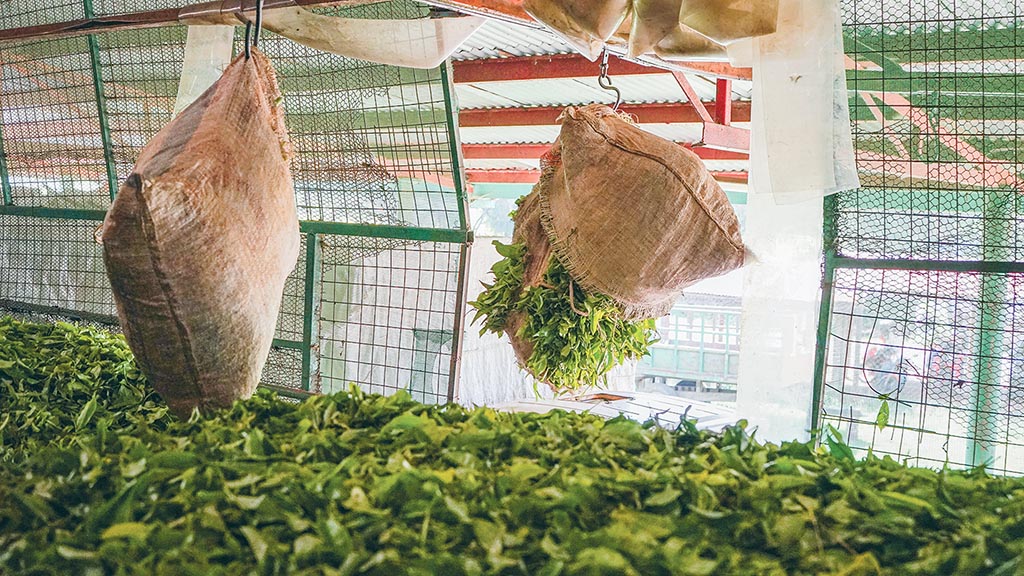
Tea and coffee farms are some of Kenya’s oldest and strongest, dating back centuries. Often formed in cooperatives, they bring together hundreds of smallholder producers growing raw coffee cherries and tea leaves.
The origins of coffee are religious, Duncan Maina of Kahawa Coffee Factory explained. “People would go to places of worship and then there was served with a black beverage, caffè.”
Located outside of Nairobi, the city I called home base for my weeks in the country, almost 800 acres are full of 5-foot coffee bushes next to the coffee factory.
Traders originally found the coffee in Ethiopia, moved some beans to Yemen, then coined the variety name, arabica. After tea taxes were imposed on the British homeland and its colonies, “all the countries went looking for further alternatives,” he said. “In the 18th century, all countries tried to plant coffee.”
Coffee plantations like the one Maina helps run are reminiscent of colonial control, which the Kenyans defeated in 1965. Tea eventually made its comeback, one so strong that Kenya now produces the third largest market in the world.
Smallholder tea farmers in Central Kenya farm on five acres or less and deliver green leaves to a factory that processes 24 hours a day.
“The only thing you can see [in the processing factory] with your naked eye is the change of color from green to copper or brown,” said Godfrey Muigai, Ngorongo Tea Factory’s production manager. Both coffee and tea require a fermentation and roasting process to get to their drinkable, caffeinated and enjoyable form. Each tour ended with a tasting—my favorite part of the trip.
In the end, some products get processed for local production, but the majority gets shipped off the eastern coast to export markets like America.
How money and food moves
Across the country, almost everyone is connected to agriculture and fisheries.
One of my drivers that helped me get around the country, Ducan, had a career as accountant and goat-meat broker, prior to our meeting. Navigating the laissez-faire road rules of Kenya—he was thrilled to share what he knew about food production as we traveled around the city.
He showed me the meat slaughter markets he once worked and the produce market he shops at. Sellers were not farmers but secondary vendors who own booths and manage the day-to-day trade. Most Nairobians shop here, not in grocery stores. After a couple minutes of negotiations, I left the market like a Kenyan, with four ripe mangoes in hand.
When purchasing products, cash is still king in Kenya—and so is M-Pesa, a mobile-money system similar to Venmo or PayPal, built because households rarely had access to formal banks or consistent cash.
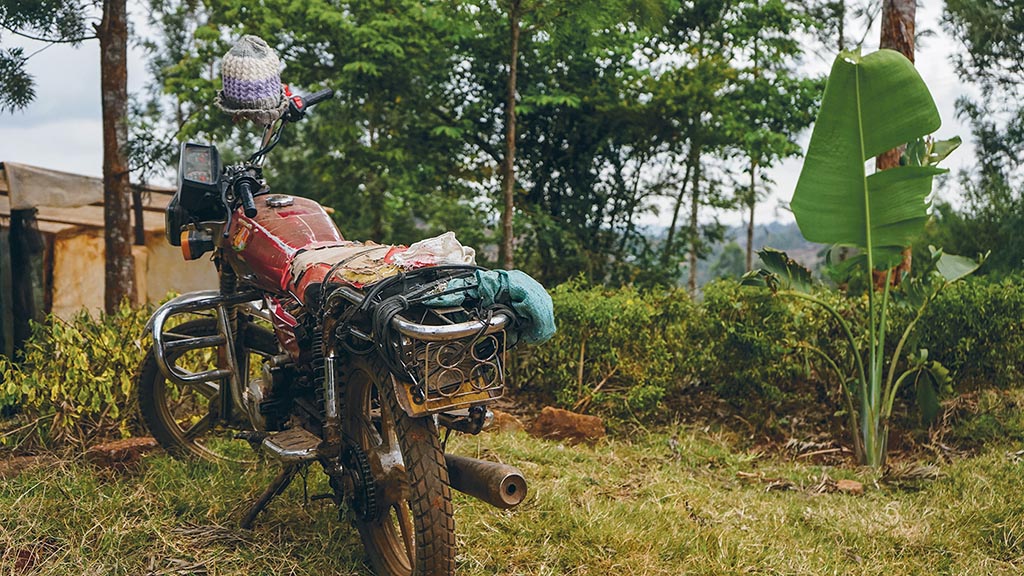
For daily shopping, the quickest marketplace is often the roadside. As cars, cows, pedestrians and boda boda motorbikes carrying multiple passengers weave past one another, it’s common to pull over and buy what you need.
But traveling from region to region, you notice something quickly: people move freely, but food meant for feeding the country doesn’t. It stays local.
Cold storage infrastructure for meat, dairy, fruits and vegetables can get products to nearby cities, but not across the country. Regions strong in horticulture or livestock can’t always support neighbors just hours away, reinforcing subsistence-level and local cooperative farming models.
The marketplace will need to grow as its population does. Kenya is expected to grow almost 50% by 2050, reaching 100 million people.
Fishing for the environment
While meat is a daily meal for those near the city or inland, fish is the daily meal for the part of the country that borders Lake Victoria.
Ranking as the second-largest freshwater lake in the world behind Lake Superior in Michigan, the marine activity touches the lives of every family in the city of Kisumu, Kenya. Every meal there came with fish, and I was more than happy to oblige.
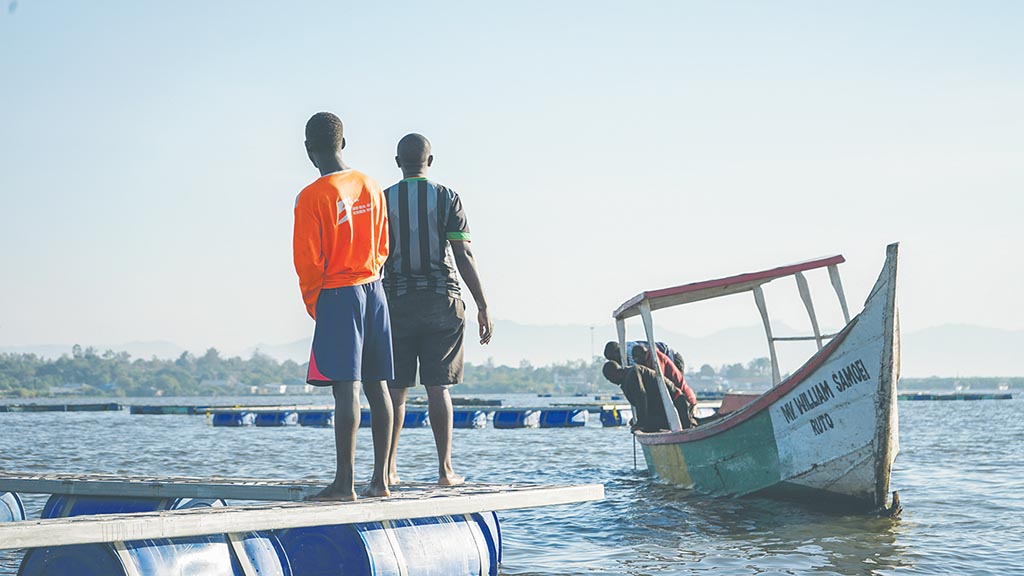
At the fishing port of Dunga Beach, night fishing crews return with sardines to sell at the 8 a.m. market. Meanwhile, day fishermen collected their nets to head out as far as 40 kilometers to catch 10–20 fish. They hope to earn 1,000 Kenyan shillings (about $10) a day.
On the water, you’ll also find aquaculture workers tending to captive fishing cages, owned by groups of men who pool resources and split profits after growing stock of fish for six-months. Thousands of these cages dot the lake, accessible only by boat.
Pete Ondeng, someone I connected with in Kisumu City, is helping push high-efficiency fishing and aquaculture growing forward—hopefully feeding more people.
He spent college and his early career in America, landing a corporate job at McDonald’s in Texas, before deciding to return home and tackle generational challenges he says no five-year development project can fix.
“We are putting in place sustainable structures that will outlive the people,” he said. Ondeng now works in financing community enterprises on the coast of Lake Victoria, supporting fishing communities.
Lake Victoria offers tilapia, sardines and lungfish on the market. But the lake faces heavy environmental challenges, from pollution to overfishing, he said. The issues faced in Lake Victoria mirror what the Great Lakes know all too: runoff.
By watching the city move or reading the newspaper, one would notice it is still exploring democracy and its limits, similar to America.
“The African problem is a leadership issue. Over time, overdependence has made us lose initiative,” Ondeng explained. He organizes the fishing community to step up to conserve the land and protect natural resources that help grow their food supply.
His return home to Africa was intentional. Moments like this, he said, are why leaders need self-governed solutions to protect the fisheries that provide the region’s most accessible protein to feed the nation.
Ondeng reminded me of the many leaders who come home to the farm, to protect what sustains their communities, becoming visionaries in the process.