
It’s been interesting to watch as three separate wetlands have been developed within five miles of my home over the last couple of years, but don’t confuse them with fishing or swimming ponds; these are relatively broad, shallow water-retention creations. They’ll soon be home to a variety of wildlife, from frogs and snakes to waterfowl, herons, mink and muskrats. These invaluable wetland wildlife habitat areas aren’t isolated, either. They’ve been springing up around the state for several years, and there’s a good reason for it.
Since the founding of Marietta in 1788, Ohio has experienced extensive land clearing, growing agricultural impacts, industrial expansion, improved field drainage, expanding cities and increases in rural home building. The many hidden costs inherent to such rapid expansion, which included an increase in the frequency of flooding, degradation of water quality, increasing nutrients entering waterways, erosion, sedimentation of rivers and streams, harmful algal blooms and the removal and degradation of natural wetlands, were becoming impactful on both our wallets and our quality of life. The payment for past successes is now due, a fact revealed by the disturbing algal blooms affecting the health of Lake Erie. As the cliché goes, it was “the straw that broke the camel’s back.”
Looking for a long-term solution rather than a Band-Aid, agricultural and natural resources experts came together under the leadership of Gov. Mike DeWine to examine what could be done. In 2019, the state’s first comprehensive, statewide water quality initiative was created – H2Ohio. Orchestrated through a collaboration between the state’s Departments of Agriculture and Natural Resources, the Environmental Protection Agency and the Ohio Lake Erie Commission, planning and action stages were formulated. Their goal was clear, although they knew it wasn’t going to be easy. Among their objectives was to use wetlands to slow and store floodwater and absorb or remove surface-water nutrients, sediment and pollutants that negatively affect downstream water bodies.
Now, just seven years after H2Ohio’s inception, ODNR’s share has been $191.3 million. Yes, that’s definitely a lot of dough! So, what did the bakers at the agency cook up with that cash?
Impressive. One word comes to mind: impressive. Over 20,000 acres of water-filtering wetlands and associated habitat have been created, restored or enhanced across the Buckeye State. To some, that sounds huge, but naysayers might argue that a mere 20,000 acres out of Ohio’s nearly 28-million would have minimal ecological impact. Those pessimists would be wrong.
I like to use the aquarium analogy. If you install a nicely sized 75-gallon fish tank in your home, one of the items you will need is a good water filter. When considering the volume of that tank, the filter takes up very little space, yet it will do a good long-term job of removing waste, toxins and debris while supporting beneficial bacteria and maintaining water quality. Your fish stay healthy and avoid a funeral flush. Wetlands serve the same purpose as that filter, but rather than recycling the same water over and over as the aquarium filter, it’s straining the new water entering our waterway’s ecosystem.
Whether that new water originates from surface runoff and tributaries or is being pushed by drainage systems and high-water episodes, wetlands slow floodwater while absorbing or removing surface-water nutrients, sediment, and pollutants that negatively affect downstream areas. As a bonus, wetlands also store and slowly release flood water and help lessen its downstream impact. As a bonus, these wetland ecosystems provide a uniquely beneficial variation in habitat structure for wildlife. Migratory birds, threatened and endangered wildlife species, and many forms of terrestrial mammals will claim these areas as home. They also offer opportunities for hunters, anglers, birders and many other wildlife watchers. Many have become learning centers for both high school and college students across the state.
Doing more. On the heels of H2Ohio’s success, it was quickly recognized that more could be done. In 2023, the program was expanded to include additional efforts directly related to river and stream management and restoration. The H2Ohio Rivers Program was established to improve water quality by restoring aquatic habitat and increasing public access to healthy streams and rivers – complementing the work already being done through H2Ohio.
The rivers program is also coordinated through ODA, ODNR and OEPA. While linked closely with the earlier program, H2Ohio Rivers has added: dam removal — especially low-head designs; acid mine drainage remediation; river and floodplain restoration; river corridor protection; stream and river litter and trash removal; and water quality monitoring and surveillance. Thus far, ODNR has invested more than $9 million toward creating healthier Ohio rivers and streams, and OEPA has made an even larger contribution.
“We know that river health in Ohio has improved tremendously in the last several decades, but there is still more work to do. Water is one of Ohio’s greatest assets, and my administration is dedicated to protecting this invaluable resource,” DeWine said.
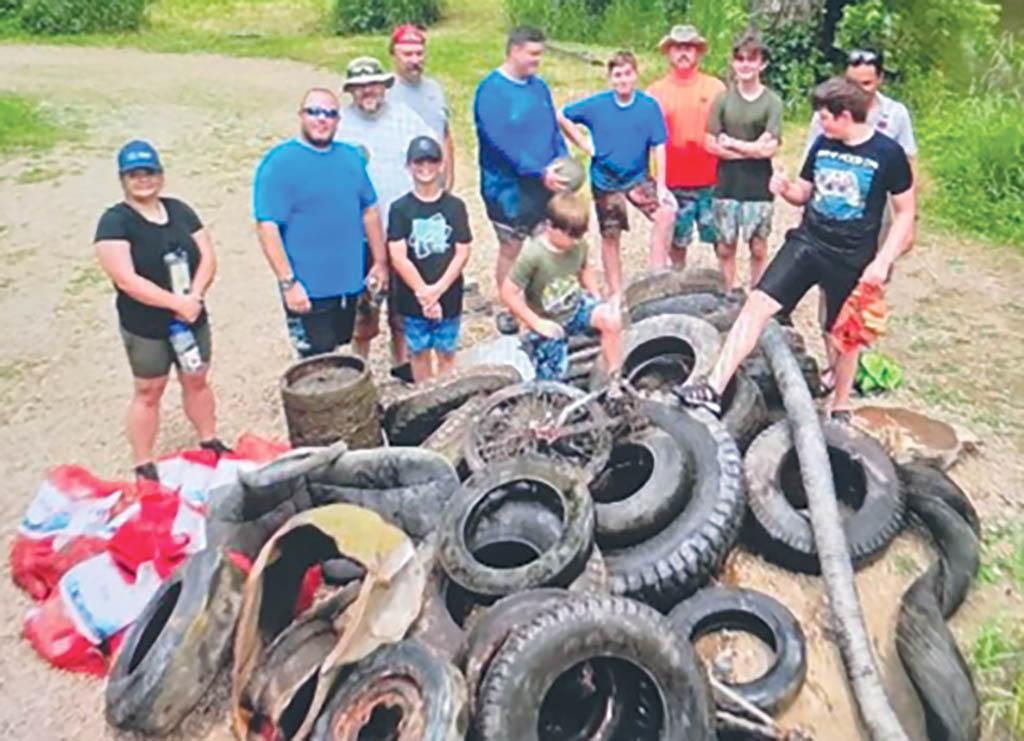
Though a late-comer to the party, the Rivers Program is really showing its value. A brief summary includes: 59 river restoration, infrastructure and habitat improvement projects across multiple watersheds; 487,000 pounds of trash has been pulled from our waterways and their banks; deployed a specialized, large-capacity barge – The Queen of Clean – to remove oversized debris from the Ohio River; funded over $160,000 in canoe and kayak livery grants along rivers like the Cuyahoga, Little Miami and Tuscarawas to aid in litter removal; have been testing 29 major rivers for contamination of “forever chemicals” (PFAS) found in surface water; funding the removal of aging, obsolete and hazardous dams to restore natural river flow; remediating highly acidic water from abandoned mines which enters watershed’s tributaries.
Grants. To accomplish all of this H2Ohio work, Ohio has implemented a grant system.
The H2Ohio Wetland Grant Program is a reimbursement grant program that provides up to 100% project funding for high-quality natural-infrastructure projects focused on nutrient reduction and water quality improvement in Northwest Ohio. Since 2019, this program has worked with nearly 100 partners across the state to fund over 515 water quality projects, with 378 projects completed. The projects result in lessening the likelihood of harmful algal blooms in Lake Erie and in keeping waterways clean, promoting public health, recreation and tourism.
The H2Ohio Rivers Program provides funding to local partners for projects that improve the water quality and aquatic habitat of rivers across Ohio. Dam removal and associated restoration, acid mine drainage treatment and remediation, stream daylighting and riparian forest restoration and protection projects are top program candidates. Dam removal and dam pool restoration projects receive special focus because they reconnect rivers, improve water quality, restore natural stream function and allow fish and other aquatic species to move freely throughout a watershed. These projects also reduce public safety hazards, improve recreational opportunities and help rivers regain their natural ability to transport water and sediment.
The Healthy Rivers Livery Program provides funding and resources that help canoe, kayak, and tubing outfitters organize river cleanups, educate visitors about responsible recreation, and encourage stewardship among the thousands of people who enjoy Ohio’s rivers each year. Over 30,000 pounds of trash is removed from Ohio’s rivers each year by the program.
There are also grant opportunities for: illegal riverside trash dump cleanup; biological surveys; habitat assessments; and water quality monitoring.
The H2Ohio Program and the River Program are having far-reaching effects across Ohio, offering long-term solutions that are destined to improve not only water quality, but also the quality of all of our lives.
You owe it to yourself to learn more about the importance of these programs. For more information, visit h2.ohio.gov.
“The ultimate test of man’s conscience may be his willingness to sacrifice something today for future generations whose words of thanks will not be heard.”
– Gaylord Nelson
(Jim Abrams was raised in rural Columbiana County, earning a wildlife management degree from Hocking College. He spent nearly 36 years with the Department of Natural Resources, most of which was as a wildlife officer. He enjoys hunting, fly fishing, training his dogs, managing his property for wildlife and spending time with his wife Colleen. He can be reached at P.O. Box 413, Mount Blanchard, OH 45867-0413 or via email at jimsfieldnotes@aol.com.)