


The patenting of the first washboard in 1833 caused a stir across the Ohio country’s artisan community. Suddenly, every tinsmith, wood turner, potter and cabinetmaker had a better idea of how to make one of the newfangled devices that every housewife seemed to need and want.
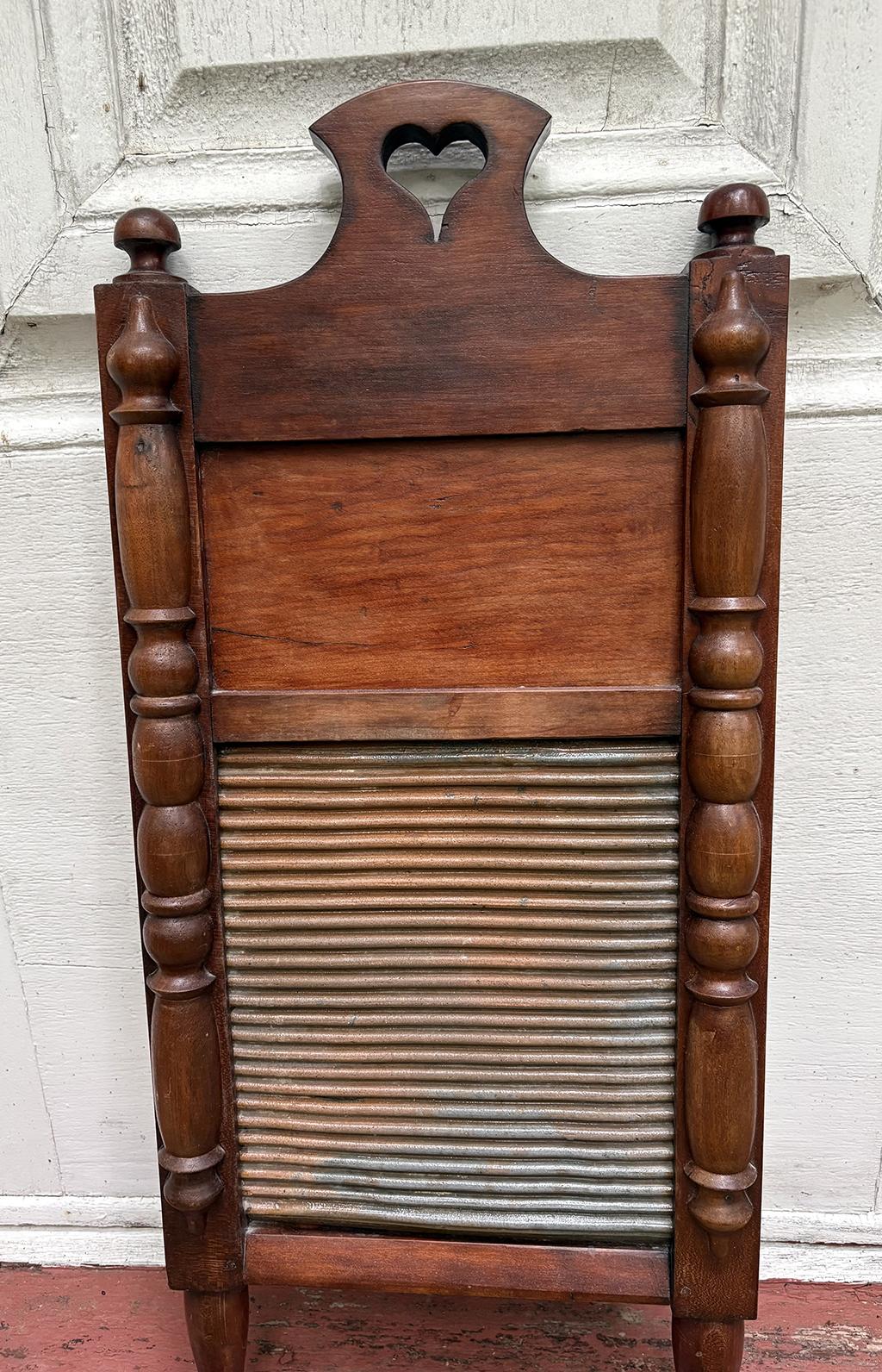
For the tinsmiths, making a washboard would have been a piece of cake — almost. Most country tinsmiths already possessed the machinery to crimp a sheet of tin or sheet iron in a manner similar to the newly introduced product. However, they had to work in conjunction with a carpenter or joiner to construct a wooden frame to keep the metal from bending while in use.
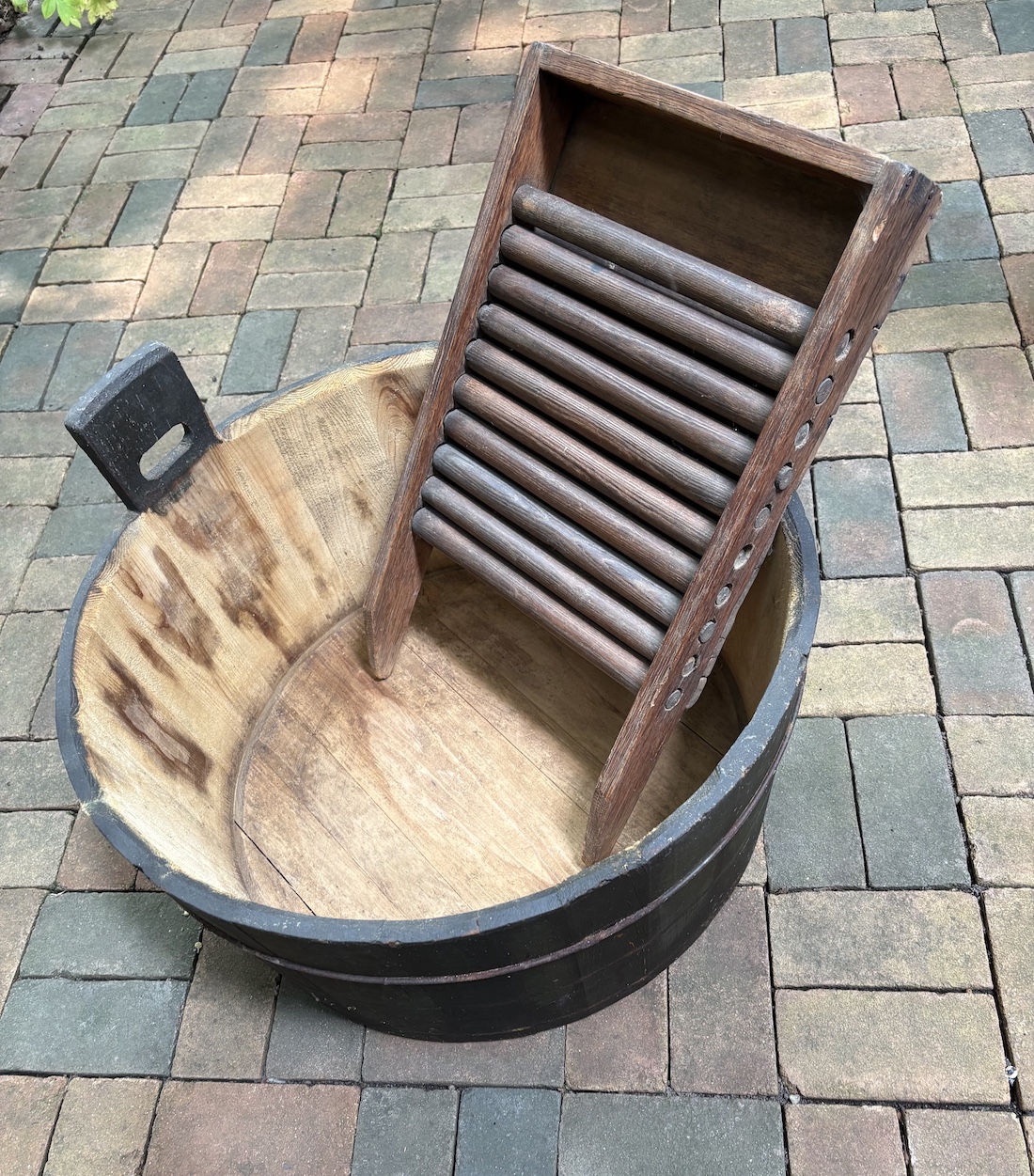
Turners discovered they could produce wooden rollers, the ends of which could be set in wooden frames in such a manner that they revolved when articles of clothing were agitated over them.
Potters found that making a washboard was as easy as rolling out a slab of stoneware clay, embossing it with a crimped sheet of tin made by the tinsmith and then trimming out a rectangular or square slab which, after being fired, would be secured within a wooden framework made by a joiner.
All of these various types of washboards enjoyed some level of popularity and were readily adopted in the villages and outlying areas where the artisans that created them worked. But as time passed and large manufacturers began to mass produce washboards quickly and cheaply, these handmade relics of years past found their way into cellars and sheds, never to be used again.
Traditions remained
But even with the popularity of the store-bought washboard, the traditions and equipment involved in clothes washing in rural areas changed little in the decades that followed. First of all, clothes washing has always been done on Monday in America, a tradition that harks all the way back to the Pilgrims. Because washday was such an onerous chore, it came to be known by the women in the family as ‘blue Monday.”
The act of clothes washing, hugely laborious in its own right, preceded several more days of sorting, ironing and folding. The goal was to have all the laundry chores completed by Saturday since that preceded Sunday which was long proscribed in society as the day of rest. And in fact, women needed the day of rest before starting all the laundry work over again on blue Monday.
Across the Ohio country, settlers employed various implements whose use had been passed down from one generation to the next.
Washtubs
Central to the laundry operation was the washtub. This staved wooden container, holding about one-fourth the volume of water as a barrel, was a product of the local cooper. Early on the staves were bound with wooden withes or saplings. By the end of the first quarter of the 19th century, however, metal bands were in common use.
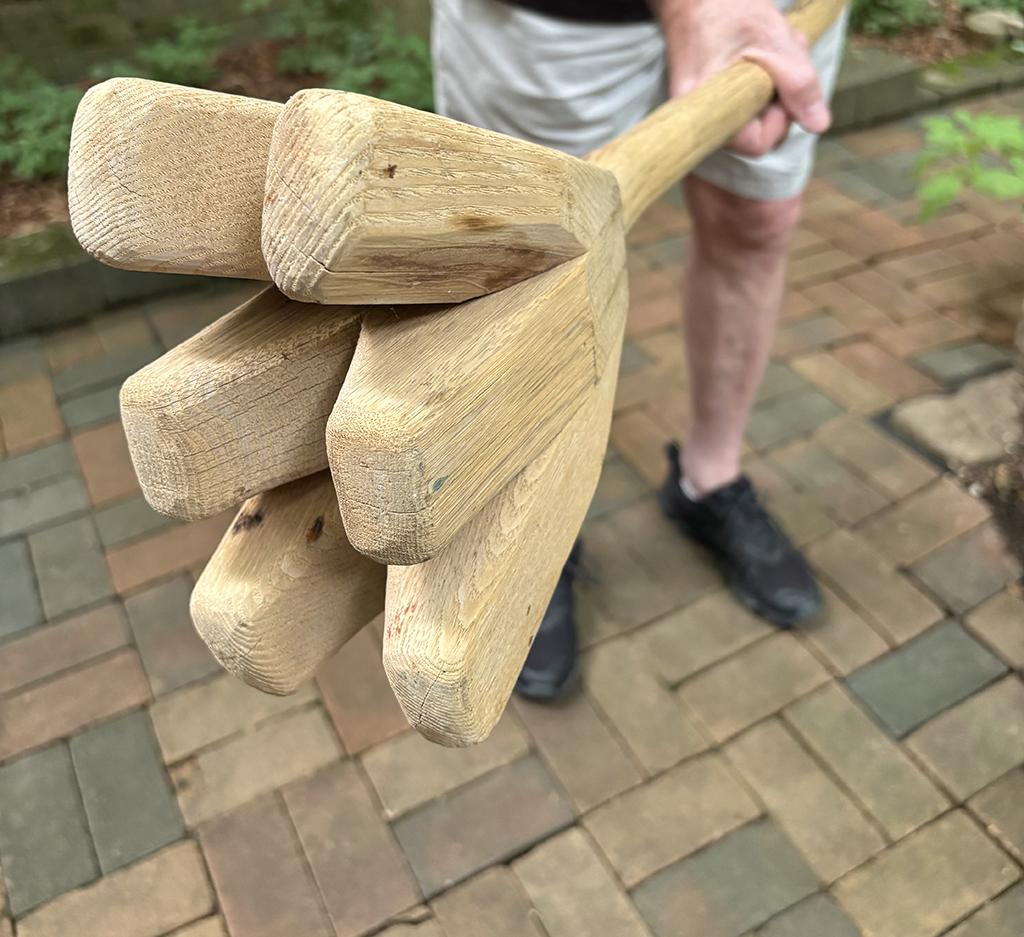
The laundry soaking in the washtub was agitated by a posser, also known as a ponch, washing dolly or a poss stick. The word posser derives from the Middle English work poss, which meansto pound or beat.
The most common form of posser on the frontier was made of wood, due to the ready availability of the material. This type of agitator typically had a tall wooden handle, at the end of which was a hefty block of wood which was cut to resemble several fingers, thus increasing the surface area of agitation.
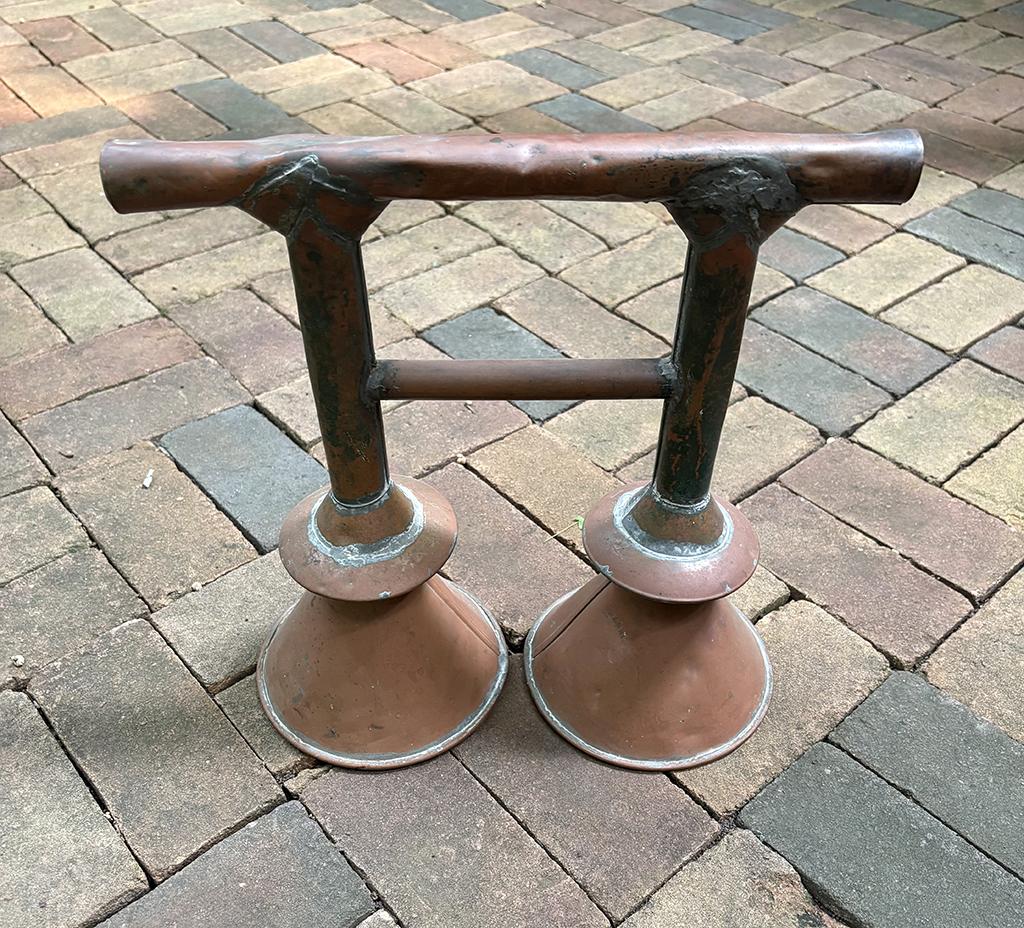
Tinsmiths also crafted such devices which resembled a line of funnel-shaped agitators, all hooked to a central bar which the user gripped for the up and down motion. Blacksmiths got into the agitator act by producing passers which resembled small upside-down chandeliers, but which had smooth rounded wooden bars affixed into the sockets.
The washtub sat on a T-shaped, three-legged wooden stand which raised the container to a height where the user would not have to bend over so far.
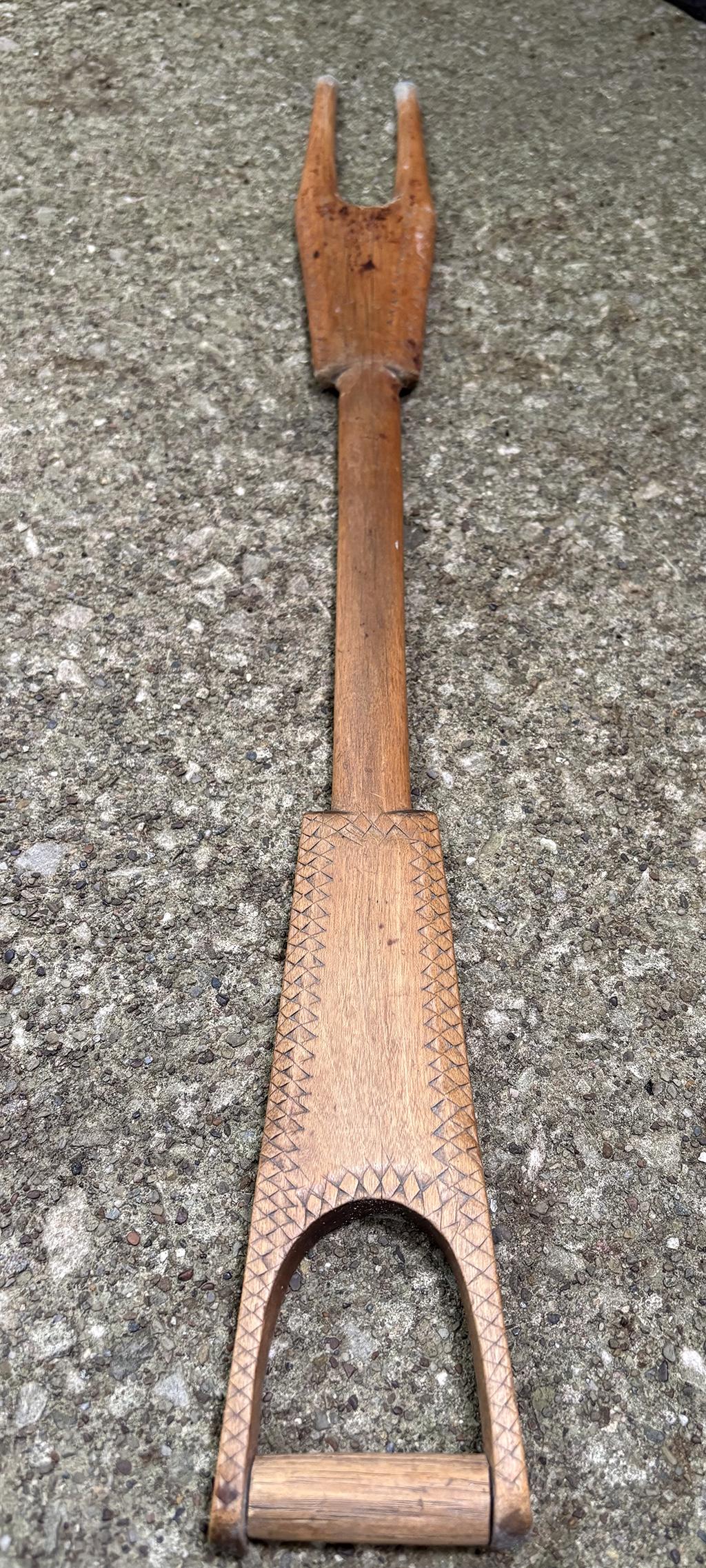
Until the advent of the washboard, forked sticks were still used to manipulate the garments in the water. Some of these laundry sticks were made as gifts — especially as wedding presents — and were decorated with punchwork or chip-carved designs. Today such sticks, mundane as they may be, are valued as examples or American folk art.