



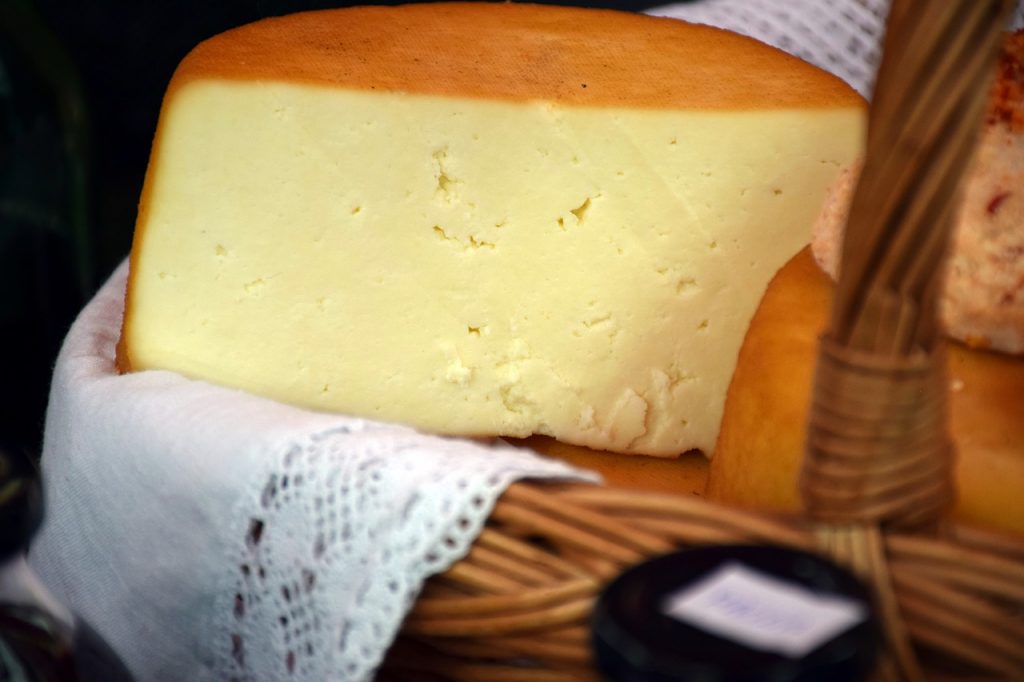
“Cheese” is a commonly expressed word in households. It may be a family gathering when everyone is gathered for a family photo. The photographer gets everyone set, and just before the snap of the camera, the photographer says, “Say cheese!” in the hopes that everyone will smile and remain in place during the long expression of the word.
Maybe the family is together, and everyone gets quiet for some reason, so to break the silence, someone says, “Who cut the cheese?” whether flatulence has occurred or not. This expression was developed during the mid-20th century, thought to refer to the odor from cutting of some pungent cheeses, such as Limburger or Brie.
Perhaps the family is just be enjoying a meal together, which commonly will include cheese. As shared in a previous Dairy Excel column, the U.S. per capita consumption of cheese has increased 30% during the past 24 years.
Cheese is favored by many for its taste and nutritional properties. Also, there are many varieties to choose from: hard, soft and fresh cheeses. Cheese is a source of high-quality protein and an excellent source of calcium, and it contains other minerals and vitamins. Protein may range from 17 to 35%, depending on the type of cheese and the moisture content, with the harder cheeses being higher in protein than the soft or fresh cheeses.
According to the Innovation Center for U.S. Dairy and the National Dairy Council, cheese is the number-two source of calcium for Americans. For individuals who are lactose intolerant, several varieties of cheese offer the opportunity to consume high-quality dairy products that are low in lactose, especially the hard cheeses, as the majority of the lactose remains in the whey, not the curd.
A couple of health considerations sometimes expressed with cheese consumption are the fat and sodium contents. Cheese accounts for about 9% of the total fat and 16% of the saturated fat in the U.S. diet. On the positive side, it packs a quick source of protein and energy as a snack.
A few years ago, saturated fat intake was claimed to be associated with increased risk of cardiovascular disease; however, more recent research indicates that simply decreasing saturated fat intake is not associated with a decreased risk of heart disease. Also, additional research has identified that a component in dairy fat may reduce the risk of Type 2 diabetes.
The expressed concern with sodium intake is also associated with cardiovascular disease. Cheese only accounts for 8% of the sodium intake of Americans; thus, total sodium intake needs to be monitored within one’s diet. Consumers should keep in mind that some cheeses are available as low-fat varieties and sodium content also varies with cheese variety. Therefore, people should assess their nutritional needs relative to any associated health risks. All foods in moderation are important for one’s health.
If you are a dairy farmer reading this article, you might be asking, “So how does this affect my farm?” It takes about 10 pounds of milk to make a pound of cheese, so the increased cheese consumption by Americans increases the demand for milk.
The price paid to farmers for milk is primarily based on the prices paid for the milk fat and protein, with the actual prices varying based on product demand by consumers. Because of the importance of the fat and protein concentrations in milk on milk price, many of you are likely making sire selections on cheese merit (CM$).
Cheese is a nutritious food that provides essential nutrients to human diets, especially protein and calcium. Cheese can be used in many forms for meals, whether in a main dish, in breads, on a sandwich or as a topping on almost anything. It’s contents of protein and fat make for a nutritious snack with a high level of energy that contributes to satiety. Of course, there are many varieties to choose from, including those that may fit better into your dietary needs.
When I take a trip, one of my measures of success is whether I was able to purchase local cheese from the area. Enjoy your summer, and I’m not trying to be “cheesy.”
(Maurice Eastridge is a professor and Extension dairy specialist at Ohio State University.)