





BETHEL PARK, Pa. — Dandelions are commonly thought of as a nuisance by many; considered a weed, they disrupt the appearance of a perfectly manicured lawn. But this perennial flower is beneficial for both wildlife and humans.
Keeping them in the ground supports your lawn, and harvesting them not only provides a delicious snack for your belly but also supports gut health.
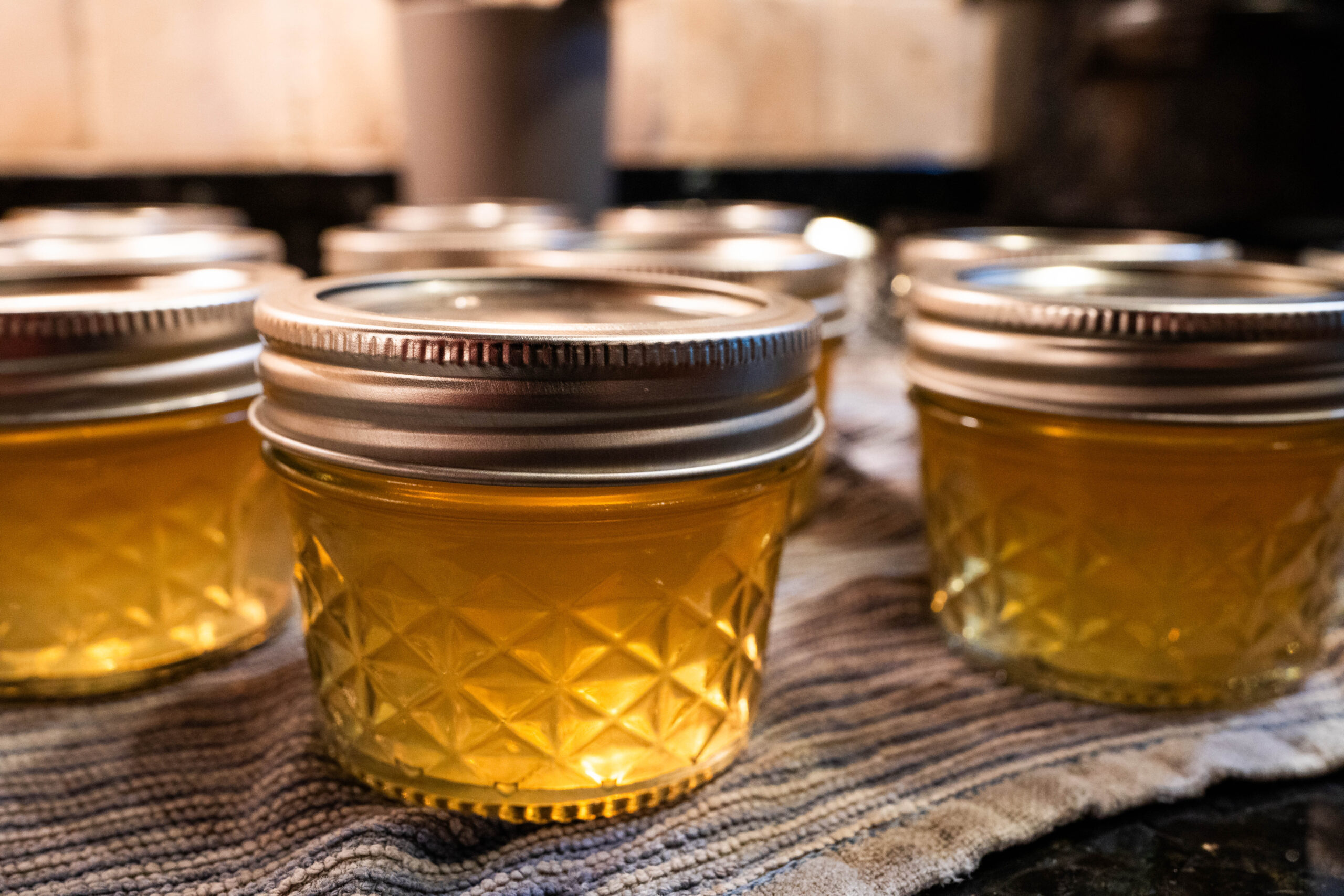
While there are many ways you can utilize dandelions, I choose to make dandelion jam as part of my spring jam series.
History of the dandelion
The dandelion is native to Asia and Europe and has been used as a form of medicine for centuries.
Arabian physicians used the plant in medicine during the 10th and 11th centuries, and the Chinese and Indians used it to treat liver disease and digestive problems, according to the National Library of Medicine.
The name “dandelion” comes from the French phrase dent de lion, which translates to “lion’s tooth.” The English changed this phrase to dandelion. In England, the flower was also called “piss a bed” as dandelion root tonics have strong diuretic properties.
These tonics aided digestion and removed toxins from the liver and bloodstream; the bitter root is theorized to stimulate gastric juices, alleviating blocks or inflammation in the body.
Other ailments dandelions treated include baldness, toothaches, fevers, weakness, lethargy and depression.
The dandelion first arrived in America when the Mayflower hit its shores. Today, they have grown in all 50 states as well as Canada and Mexico.
Known as both a wildflower and a weed, dandelions are in peak bloom between late April and early June.

Wildlife benefits
Alongside medicinal benefits, dandelions support your lawn even when they might be seen as an annoying weed. Bees, butterflies and other pollinators rely on dandelions as a food source during a time when little else is available.
They are also beneficial for the soil: their wide-spreading roots help loosen up the soil, preventing erosion, and their long taproots pull up nutrients — like calcium and nitrogen — from deep in the ground, making these beneficial nutrients available to other plants — acting as nature’s fertilizer.
This wildflower can be grown around vegetables and herbs in gardens. And like vegetables that grow in the garden, dandelions can be eaten in a variety of ways, too.
Different ways to eat dandelions
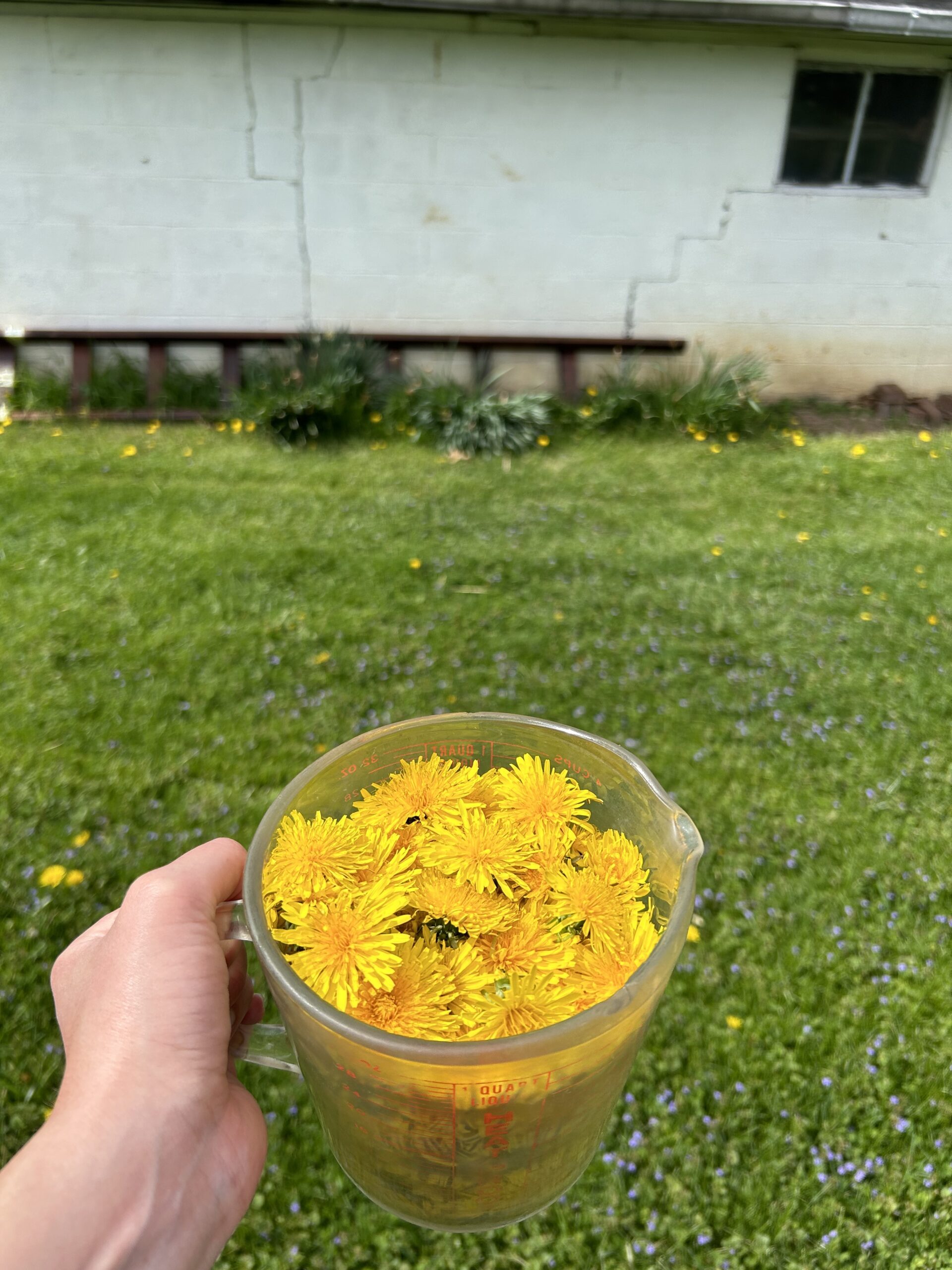
Dandelions, both the flower and leaves, have been eaten for centuries, as it contains numerous vitamins and minerals, including iron, potassium and calcium.
They can be eaten as is, on salads, in smoothies or — as Farm and Dairy Editor Rachel Wagoner’s seven-year-old son prefers — straight from the field.
To cook them, the dandelion greens can be sautéed in butter with onion, garlic and spices, and added to pesto, sandwiches, eggs, pastas, etc. Dandelions are a great substitute for leafy greens like spinach, endive, mustard and collards.
The dandelion roots can be made into a caffeine-free dandelion coffee, providing more nutrients and antioxidants than regular coffee.
The petals can also be made into a tea, which can then be used to make dandelion wine — a popular drink dating back centuries.
After making dandelion tea (explained in the recipe below), add an acid, sugar and yeast and ferment for a few weeks, until all the sugar is dissolved, to make wine.
If you want a floral, sugary syrup, dandelion honey is made by using dandelion petals, sugar, lemon juice and water. And of course, if you want a yummy jam to slather on toast or pancakes, dandelion jam is just for you.
Dandelion jam
Ingredients:
4 cups of dandelions (2 cups of dandelion petals)
4 cups of water
3 cups of white sugar
The juice of one lemon
1 package of Sure Jell low sugar
Butter (if jam foams a lot)
Directions:
Step 1: Harvest dandelions. Start by picking dandelions (the flower part) in your yard and try to collect as many as possible — at least four cups.
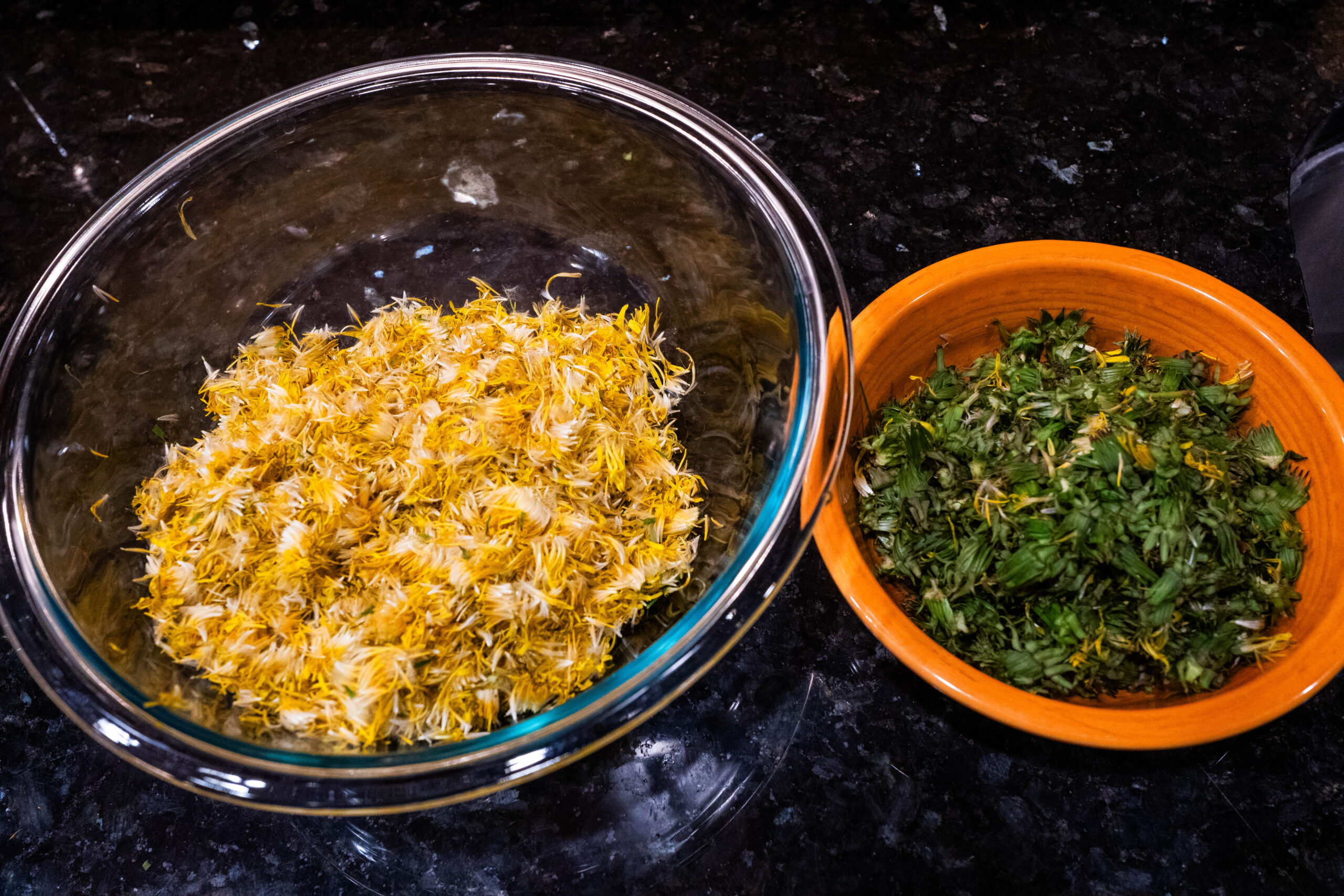
Step 2: Pick off petals. It is best to pick off the petals as soon as possible; the longer you wait, the dandelions start to get mushy and lose their shape, making it harder to pull off the petals in a swift motion.
With one hand, start by grabbing the green part that holds the petals together and, with the other hand, twist the yellow petals. Do this until you have all the petals — about 2 cups of petals.
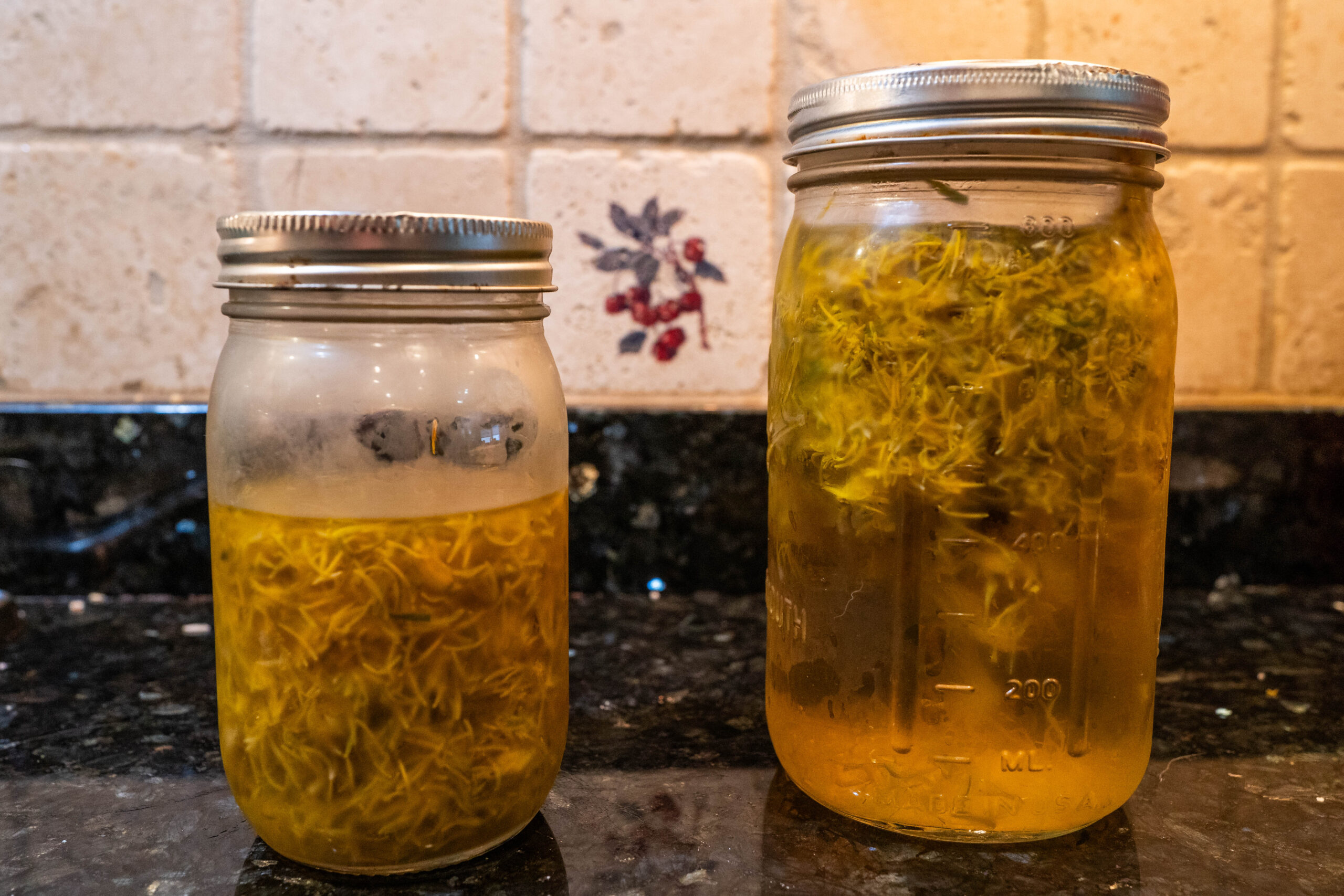
Step 3: Make dandelion tea. Boil 4 cups of water. Divide your dandelions between two quart-sized mason jars or a quart-sized mason jar and a pint-sized.
When the water is ready, pour it into the jars, filling to the top. Screw the lids shut and let sit for up to 24 hrs.
Step 4: Strain the tea. Using a cheesecloth or small strainer, strain the liquid into a large saucepan/pot and squeeze the dandelion petals to get out any excess juice.
Step 5: Make jam. Start preparing your jars by making a canning bath. Add lemon juice to the saucepan/pot with the dandelion tea. Make sure you are using a large saucepan or pot as the jam will foam and rise quickly.
Then, measure out 3 cups of sugar in a bowl. Take ¼ cup of this sugar out and place it in a small bowl with the pectin. Mix the pectin and sugar together.
Add the pectin and sugar mixture to the pot and place the pot on high heat, stirring to dissolve.
Step 6: Boil before sugar. Bring the liquid to a rolling boil. Add the remaining sugar and return the liquid to a rolling boil while stirring constantly.
Once it comes to a rolling boil, boil for another minute before taking it off the heat. It should foam up significantly at this point. A small slice of butter can be added to reduce foaming.
Step 7: Can. In hot, prepared canning jars, use a measuring cup to quickly scoop out the jam. Clean off the rim of the jars before closing them. After all jars are filled and no jam is left, cover the jam jars with a towel to let them set.
The jam may take anywhere from a few hours or days to set. This recipe made 12 quarter-pint-sized jars.
Step 8: Enjoy! Eat it on toast, pancakes or in yogurt for a taste of spring.
(Liz Partsch can be reached at epartsch@farmanddairy.com or 330-337-3419.)









Be sure to leave some dandelion flowers for mason bees,their first meal of Spring!