





Tag: pasture
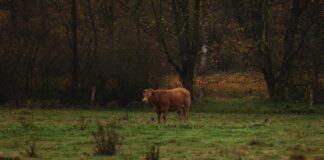
Fall can be an effective time to control troublesome weeds
Fall provides a prime window to control perennial and biennial pasture weeds like Canada thistle and poison hemlock. Applying systemic herbicides while weeds are actively growing targets roots before winter, but watch out for residual impacts on spring legume seeding.
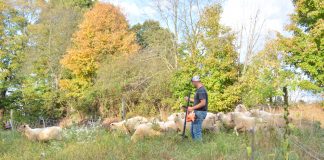
Fall forage inventory: 4 steps to measure your winter feed
As winter approaches, evaluating fall forage is essential for livestock producers. Learn how to calculate livestock demand, measure pasture dry matter, evaluate stored hay quality, and extend your grazing season with four practical steps to avoid costly emergency feed purchases.
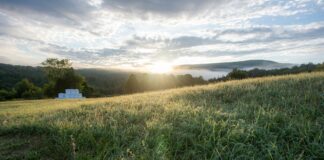
Pasture evaluation checklists for fall and beyond
Ohio State University Extension specialist Emma Matcham provides seasonal pasture evaluation checklists for fall, winter and spring. Learn how soil sampling, weed scouting, and stem density checks can help repair pastures and set up your farm for healthy spring growth.
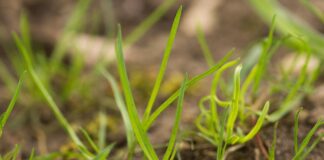
Choose the right grass seed for pastures and lawns
Choosing the right grass seed starts with knowing your goal—whether managing pastures, planting lawns, or adding pollinator areas. Kelly Riley, of Wayne SWCD, breaks down germination rates, pasture vs. turf mixes, and why late summer to early fall is the best time to seed in Ohio.

Stock density vs. stocking rate: What’s the difference?
What is the difference between stock density and stocking rate? Ohio State University Extension Educator Josh Winters breaks down these essential grazing management concepts, explains how to calculate animal units, and shows how a grazing stick helps measure dry matter for optimal pasture output.
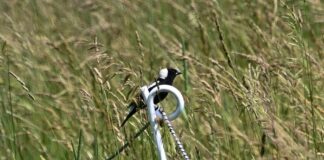
How an Ohio farmer delayed hay harvest to save nesting bobolinks
After learning that early hay harvest destroys bobolink nests, Jefferson County farmer Adam Costarella delayed cutting until July. By adjusting his grazing and haymaking schedule, he helped restore habitat for these long-distance migratory birds on his eastern Ohio farm.
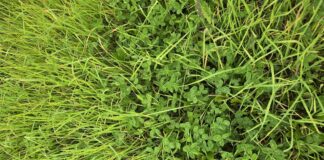
Do you know what’s really growing in your pasture?
Recent droughts and unpredictable weather have given pasture weeds an advantage. Ohio State University Extension educator Ted Wiseman explains how to evaluate your fields, use targeted weed control, and implement smart grazing practices to rebuild a healthy, resilient stand of forage.

Is your herd well-fed or just full?
Lush pastures can be deceiving. Drought and overgrazing can lead to low-quality forage that leaves cattle full but malnourished. Learn how to spot abnormal herd behaviors, understand rumen breakdown, and use forage testing to ensure your livestock are truly well-fed.
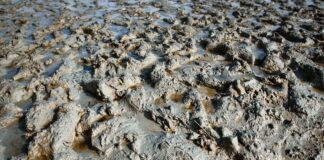
How to protect spring calves from disease in muddy conditions
Spring calving in mud increases the risk of scours, navel ill and coccidiosis. Ohio State University Extension's Dan Lima talk about why colostrum is king and how to protect your calves from environmental pathogens.
Evaluating pasture damage: Is it time to renovate or repair?
Hard summers and muddy springs have left many pastures thin and weed-heavy. Ohio State University's Dean Kreager talk about how to use pasture condition scoring, soil testing and weed management to bring your forage back to life.



