
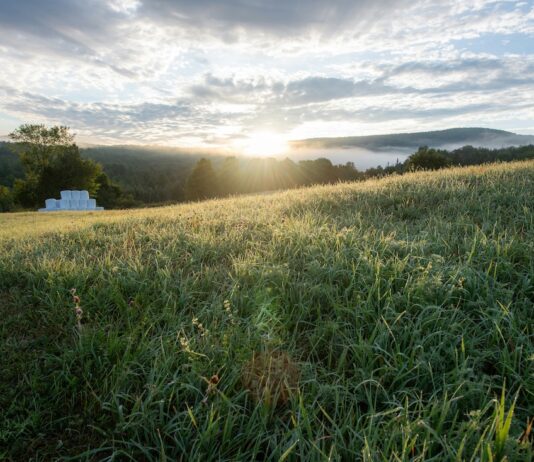

Get back to the basics when restoring weed-infested hay fields
Struggling with heavily weed-infested hay fields? Ohio State Extension educator John Yost breaks down the essential basics for successful field restoration—from soil testing and seed-to-soil contact to working backward from frost dates to build a realistic reseeding timeline.

Stock density vs. stocking rate: What’s the difference?
What is the difference between stock density and stocking rate? Ohio State University Extension Educator Josh Winters breaks down these essential grazing management concepts, explains how to calculate animal units, and shows how a grazing stick helps measure dry matter for optimal pasture output.
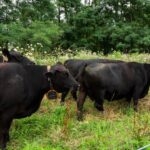
Could a GPS collar replace a roll of wire? Exploring remote grazing technologies
Remote grazing technologies like virtual fencing and GPS livestock tracking offer potential labor savings and better pasture management. Learn the key benefits, costs, and connectivity challenges producers must consider before adopting precision livestock tools on their farm from Ohio State Extension's Heather Neikirk.
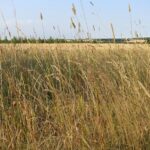
3 strategies to overcome summer grazing challenges
Struggling with weeds, overgrazing or the midsummer pasture slump? Sandra Trushel of Ohio State University Extension outlines how to use flexible rotational grazing to break selective grazing cycles, fight weeds, and protect your grass through dry July and August weather.
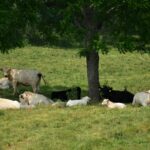
Shade and water: A cow’s best friends
High summer temperatures and heat indexes over 100 degrees put livestock at risk. Ohio State University Extension Educator Catelyn Turner shares practical tips on utilizing shade and managing water sources to reduce cattle heat stress, protect weight gains, and maintain reproductive health.
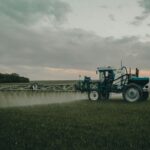
Sprayer calibration: An important step for weed management
Effective weed management on grazing land requires precise herbicide application. Ohio State University Extension educator Jessica Burns explains why sprayer calibration is crucial for saving money and protecting the environment, providing a simple, step-by-step guide to the 1/128th calibration method.
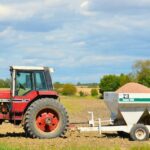
What does it really mean to ‘use nitrogen strategically’
Nitrogen is a major driver of grass growth, but timing is everything. Learn how to strategically apply fertilizer to maximize pasture productivity, determine the right application rates for your forage and avoid applying nitrogen when plants can't efficiently use it.
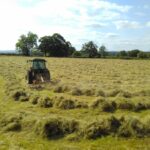
What you can do to revive worn-out hay stands
Weather patterns left Ohio’s 2026 first-cutting grass hay short and low-yielding. If your long-term hay fields are struggling, OSU's Garth Ruff discusses how managing soil fertility, planning a late-summer reseeding or even transitioning the land to grazing can help maximize your returns.
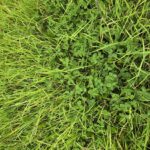
Do you know what’s really growing in your pasture?
Recent droughts and unpredictable weather have given pasture weeds an advantage. Ohio State University Extension educator Ted Wiseman explains how to evaluate your fields, use targeted weed control, and implement smart grazing practices to rebuild a healthy, resilient stand of forage.

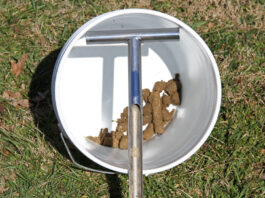
Is your herd well-fed or just full?
Lush pastures can be deceiving. Drought and overgrazing can lead to low-quality forage that leaves cattle full but malnourished. Learn how to spot abnormal herd behaviors, understand rumen breakdown, and use forage testing to ensure your livestock are truly well-fed.