
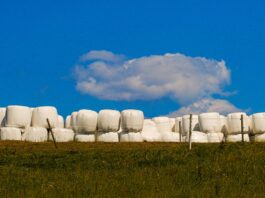
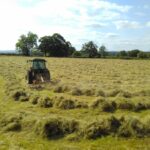
What you can do to revive worn-out hay stands
Weather patterns left Ohio’s 2026 first-cutting grass hay short and low-yielding. If your long-term hay fields are struggling, OSU's Garth Ruff discusses how managing soil fertility, planning a late-summer reseeding or even transitioning the land to grazing can help maximize your returns.
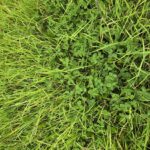
Do you know what’s really growing in your pasture?
Recent droughts and unpredictable weather have given pasture weeds an advantage. Ohio State University Extension educator Ted Wiseman explains how to evaluate your fields, use targeted weed control, and implement smart grazing practices to rebuild a healthy, resilient stand of forage.

Is your herd well-fed or just full?
Lush pastures can be deceiving. Drought and overgrazing can lead to low-quality forage that leaves cattle full but malnourished. Learn how to spot abnormal herd behaviors, understand rumen breakdown, and use forage testing to ensure your livestock are truly well-fed.
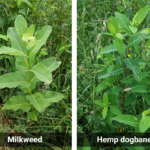
Hemp dogbane vs. milkweed: ID and control for livestock safety
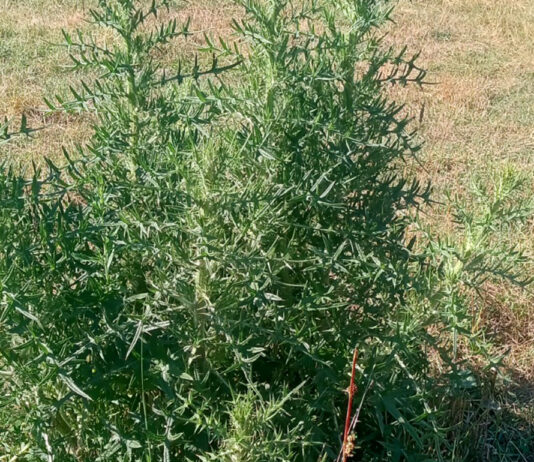
Hemp dogbane and milkweed look alike, and both are toxic to livestock. Ohio State University Extension’s Christine Gelley explains how to tell them apart, why they are dangerous in hay systems and the most effective mowing and herbicide strategies to keep your pastures safe and productive.
How to select cows for better feed efficiency and lower costs
Feed accounts for 65% of cow maintenance costs. OSU Extension expert John Yost explores how mature cow size impacts stocking rates and profit. Learn how to use genetic tools and on-farm evaluations to select for feed efficiency and reduce production expenses.
How to protect spring calves from disease in muddy conditions
Spring calving in mud increases the risk of scours, navel ill and coccidiosis. Ohio State University Extension's Dan Lima talk about why colostrum is king and how to protect your calves from environmental pathogens.

Are you ready for hay season? 5 essentials for a successful first cutting
Ohio State University Extension’s Jordan Penrose shares 5 essentials for mastering hay season: Optimize timing, maintain stand longevity, prep equipment, stay flexible with baleage and utilize forage testing.

Give and take: Calculate how grazing livestock impact soil nutrient levels
Stop guessing your fertilizer needs. In the latest All About Grazing columns, Ohio State University Extension's Josh Winters leads us through how to use research-based calculations to determine how much P and K your livestock return to the soil through grazing.
Evaluating pasture damage: Is it time to renovate or repair?
Hard summers and muddy springs have left many pastures thin and weed-heavy. Ohio State University's Dean Kreager talk about how to use pasture condition scoring, soil testing and weed management to bring your forage back to life.

Grass isn’t free: Calculating the true value of your forage
With livestock prices at record highs, learn how to calculate pasture value, analyze nutrient costs, and factor grazing into your farm’s profit margins.