





Japanese clover: Helpful or invasive?
Japanese clover is a persistent perennial, woody weed that will compete with your grass for nutrients, whether it be in your yard or in your pasture.
Why you should evaluate stored forages after flooding
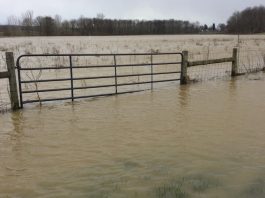
Recent heavy rainfall and flooding across Ohio have created serious risks for stored forages like hay and silage. Ohio State University Extension educator Dean Kreager explains the dangers of mold, toxins, and heating in water-saturated bales, and shares tips for evaluating and disposing of damaged livestock feed.

Goats are browsers; sheep are grazers
Learn how to to make small changes to your feeding program based on BCS scores to evaluate and maintain your flock's nutritional program.

Livestock producers should beware of rabies
Rabies should stay firmly in a producer's awareness. It's a disease that can mimic more common diseases, leading to a delay in veterinary care.

How to control foxtails in fields
Learn how to control green, yellow and giant foxtails in their hayfield.

What’s in these fields of yellow?
There are several plant species with yellow blooms around this time of year, so you need to take a closer look to know what you are dealing with.

Raising pigs on pasture
Learn the basics of raising pigs on pasture and decide if it's right for your operation.

How to build a heavy use pad
It's time to consider installing heavy use pads in areas around waterers and locations where hay will be fed that have been an issue in the past.
Hemp dogbane vs. milkweed: ID and control for livestock safety
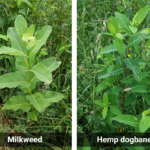
Hemp dogbane and milkweed look alike, and both are toxic to livestock. Ohio State University Extension’s Christine Gelley explains how to tell them apart, why they are dangerous in hay systems and the most effective mowing and herbicide strategies to keep your pastures safe and productive.

There is potential for poisoning during fall grazing
Ohio State University Extension educator Jordon Penrose talks about ways to detect and prevent livestock from eating poisonous plants in the pasture.