




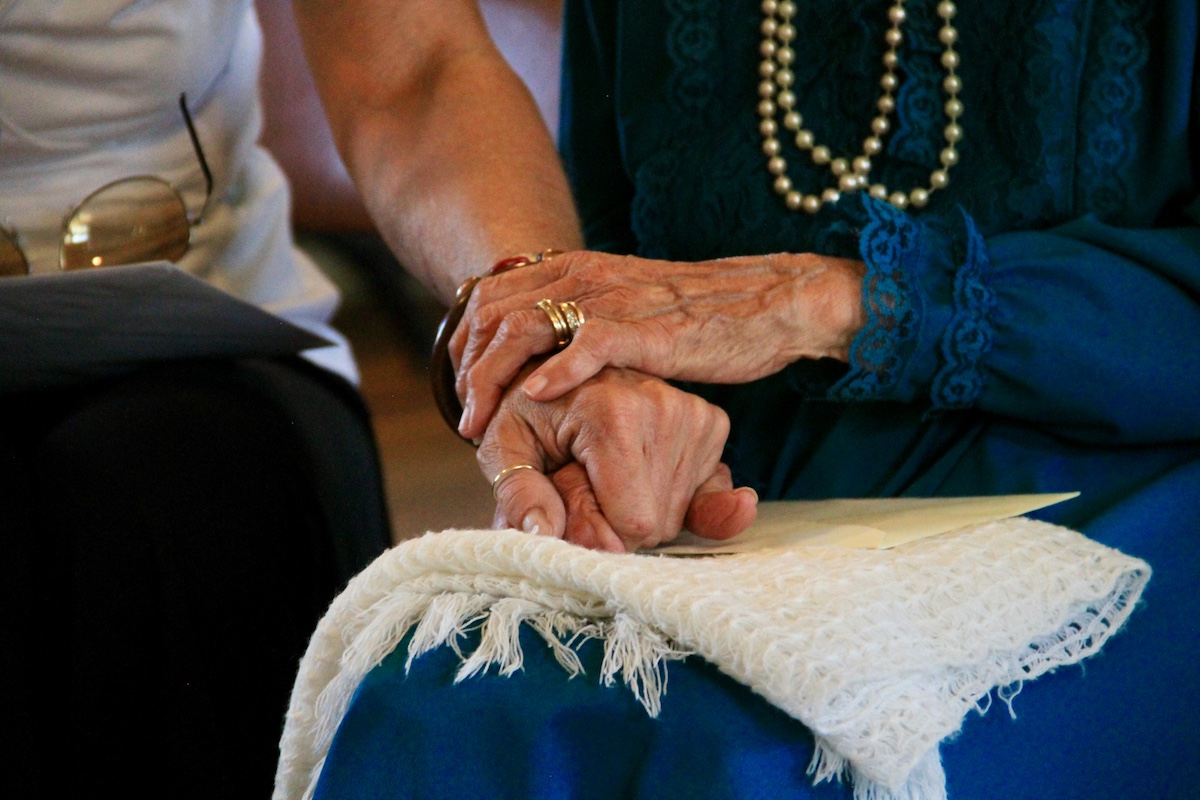
Before takeoff, the airplane announcements say, “Remember to put your mask on first.” Before assisting someone else, you must take care of yourself. But as a farmer, you may have a job off the farm that requires you to be there; the sun is shining and work needs to be done on the farm.
When the head of the family is in poor health and needs care, everyone else can be stretched to their limits. As America’s farming population ages, more families are finding themselves balancing farm work, off-farm employment, household responsibilities and caregiving for aging parents. This intersection of caregiving and agriculture is becoming a significant challenge.
Many farm families live where they work. This reality can make caregiving both easier and harder. Family members may be nearby to help an aging parent, but caregiving responsibilities often occur alongside long hours of physically demanding labor. During planting, harvest or livestock emergencies, there are few opportunities to step away from farm duties. The result is that many caregivers experience chronic stress with little time for self-care or respite. University of Minnesota Extension notes that farm stress can affect every member of the family and that prolonged stress often leads to changes in routines, health and overall well-being.
Decisions
One overlooked aspect of extreme stress is the impact on decision-making. Caregivers frequently face difficult choices. Taking time to process options and consider consequences may be replaced with hasty survival decisions. This places an emphasis on planning and preparing before major challenges arise.
Many families prefer to avoid discussion. So, open communication and understanding how hard it can be for some to express their innermost thoughts takes time and careful attention. Another demand on time that creates stress may include transportation, medication management, financial oversight, meal preparation and personal care. Personal care preferences should be shared with the entire family. How would each person in the family prefer to be assisted with bathing and personal care needs? A nurse or a family member? Does gender matter to the person? Are the family members comfortable with assisting?
Self-care
Mental health is an especially important component of the caregiving conversation. Agricultural work already ranks among the most stressful occupations due to financial uncertainty, weather risks, labor shortages and market volatility. Ohio State University Extension identifies economic pressures, healthcare access limitations and rural isolation as major stressors in rural communities. When caregiving responsibilities are added to these existing demands, stress can intensify significantly.
The person needing care needs to understand they are still important to the family. They need to be reassured that their care is not a burden. They can see the stress the situation is causing. As stress increases, each family member may have a variety of responses, anger, frustration, or resentment on the negative side. And at the same time feel concerned, compassionate and fearful for their loved one.
Think of the children
Children are also affected. Young people often recognize family stress long before adults realize it. University of Minnesota Extension reports that rural youth may worry about family finances, parental health and the future of the family farm. In households where caregiving responsibilities are significant, children may take on additional chores or emotional responsibilities. Understanding why they are needed, that they are appreciated and accepting their emotional responses to the situation will help them through the process.
Despite these challenges, planning ahead can help farm families build resilience. Maintain open family communication, build support networks, and seek professional assistance when needed. Strong family relationships, financial literacy, access to healthcare and proactive planning have been identified as key protective factors that help families adapt to adversity while maintaining healthy farm operations. And when possible, remember that self-care is a priority for caregivers.
The caregiving responsibilities of farm families should not be overlooked. Recognizing and supporting these caregivers is not only a family issue but also a community issue and an agricultural sustainability issue. Greater awareness and strong community support can assist local farmers as they navigate challenges of an aging population and an evolving agricultural landscape.