

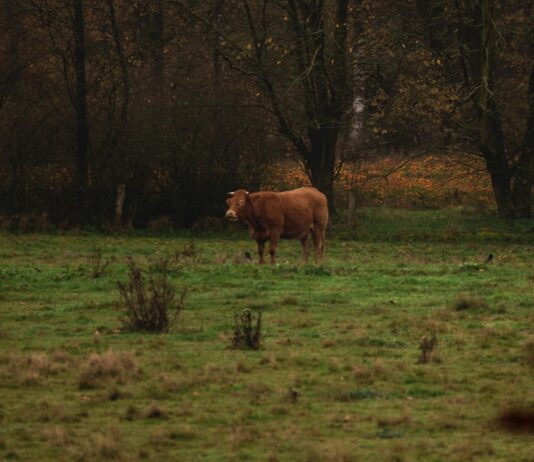
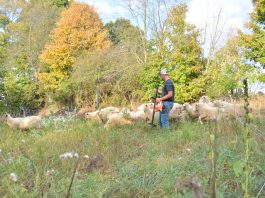

Determine the needs of pastures in June to be ready for the fall
Continually scouting pasture fields for forage levels will help us stay ahead of the perspective fall-off in production.

The impact of rain on hay quality
Rain during the hay curing process can lead to several issues. Learn how to mitigate your losses.

What’s your hay outlook?
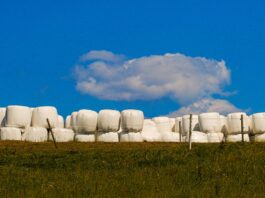
With the first hay cutting progressing across Ohio, Pennsylvania and West Virginia now is the time to evaluate your hay outlook for the year.
OSU launches calendar for planting warm-season forages
A collaborative effort has yielded a forage and pasture planting calendar for forages.

Learning the economics of lime
Determining the right amount of lime to apply to optimize soil health is about more than pH. Learn how to account for all factors before applying lime.

How to defeat cressleaf groundsel
Cressleaf groundsel is considered a noxious weed in Ohio due to its aggressive growth and because it produces a chemical toxic to livestock and humans.

Start scouting and preparation for tick and fly season now
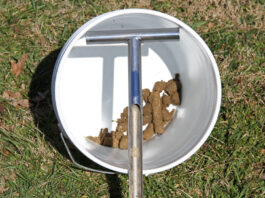
It is time to start thinking about how we can keep our grazing animals safe from ticks and flies that can cause medical problems and production losses.

Prioritize a water source in a rotational grazing system
Finding ways to meet the needed water demands can improve the efficiency of pasture use, writes OSU Extension Educator Dean Kreager.

Is measuring your pasture worth the time and money?
Ohio State University Extension educator Christine Gelley explores how to make pasture measurement worth it.

Considering pasture plant growth to meet animal needs
Knowledge of plant anatomy and physiology and understanding the forage life cycle can help farmers manage pasture growth for animal needs.