





Using legumes effectively
Dan Lima discusses how to use legumes effectively and what legumes to use for the best results.

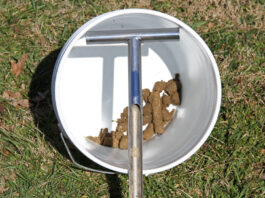
Fall is a good time for soil sampling and testing
Now that the grass growth is slowing down, it's an ideal time to take soil samples if you want to test your soil health.

Take time to develop a grazing contingency plan
Take some time to develop a grazing contingency plan. It can make a stressful time more manageable.

Grazing corn stover in the fall provides many opportunities
Clifton Martin discusses ways to take advantage of grazing opportunities in October like grazing cornstalk residue or fodder.

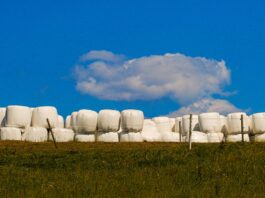
Could bale grazing work for you?
OSU Extension educator, Christine Gelley, discusses the considerations for implementing bale grazing.

Plan a winter grazing and supplementation program
One way of increasing the profit potential in the cow herd is to reduce this cost by extending the grazing season while planning the winter feed program.

Seeding and fertilizing winter annual cereal grain forages
Ohio State Extension educator Jason Hartschuh provides information on seeding and fertilizing winter annual cereal grain forages.

Toxic trees can be an issue for grazers
Keep in mind that ingestion of some types of leaves can lead to toxicity problems with livestock. These include maples, oaks, black locust, buckeye and yew.

Preparing for winter – livestock supplemental feeding basics
Ohio State University Extension educator Erika Lyon discusses how to prepare forgages for livestock for upcoming fall and winter season.

There is potential for poisoning during fall grazing
Ohio State University Extension educator Jordon Penrose talks about ways to detect and prevent livestock from eating poisonous plants in the pasture.



