



What’s a pasture worth?
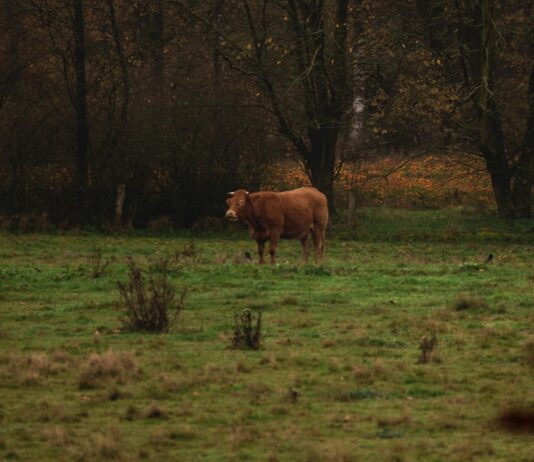
OSU extension educator Clif Little discusses the factors affecting pasture rent, such as location, topography and size.

Eliminating unwanted woody weeds from winter pastures
Controlling undesirable woody plants such as multiflora rose, honey locust, autumn olive and ailanthus can improve your pastures and save money.

Why did my horse get laminitis?
Ohio State Extension educator Erika Lyon provides insight on laminitis in horses, providing the causes, symptoms and prevention tips.

The role of sulfur in pastures
OSU agriculture and natural resources extension educator Dan Lima discusses the importance of sulfur in soil, crops and livestock.

The past, present and future of forage
Ohio State Extension educator Chris Penrose looks back over his career, noting the improvements in the forage industry over the past 35 years, in his last All About Grazing column.

An extension educator’s grazing wish list
OSU Extension educator Dirk Dempsey shares his grazing wish list and details strategies farmers can use for management-intensive grazing.

Managing your pastures for winter
Ohio State University Extension educator Jordan Penrose shares tips for improving and maintaining pastures during the winter.
Consider feeding horses round bales
Ohio State University Extension educator Sandra Trushel recommends different ways to save money on hay for horses like using round bale feeders.

Reduce hay loss with various bale feeders for beef cattle
OSU Extension educator Ted Wiseman considers various bale feeder options to help beef cattle producers make informed decisions for their operations.

How to reduce hay feeding costs
Feeding hay can be expensive. OSU Extension educator Garth Ruff recommends various strategies to reduce hay feeding costs.