



A stream of change
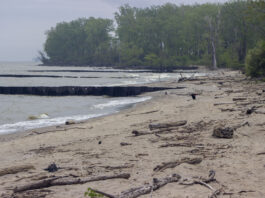
Rather than working against the nature of the stream, we can work with it. Options abound for ways to repair or protect the stream.

Working together for a solution
Landowners and producers, along with their soil and water conservation districts, should all stay engaged in improving Western Lake Erie Basin watersheds.

Pioneering in conservation is easier with support
Jessie Radcliff is excited for the future of agriculture, of soil conservation, and her part in the task of change and progress.

Enjoy local food bounty this summer
Support local farmers and food processors, your community, and Ohio's livelihood by purchasing local or Ohio products.

Don’t mow, help the Monarch butterflies
There are areas that we should just let nature be what it is, and allow the “weeds” to help our pollinators, birds and wildlife thrive.

Studying the common house finch from my window
The house finch is a small songbird about the size of the house sparrow with a large beak, short wings, and a long, notched tail.

Maintaining septic systems benefits environment, wallet
If properly designed, constructed and maintained, your septic system can provide long-term, effective treatment of household wastewater.

Riparian buffers can make a difference in water quality
Riparian zones serve many purposes along streams and rivers to support a biodiversity ecosystem. They are also important to water quality

Bicentennial farms are treasures
Let's take a second to appreciate the fact that Ohio has farms that have been in operation by the same family for over 200 years.

To see nature up close, plan a canoe trip
In northeast Ohio, the rainfall has helped keep water levels in our streams high, which makes this year a good one for kayaking and canoeing.