


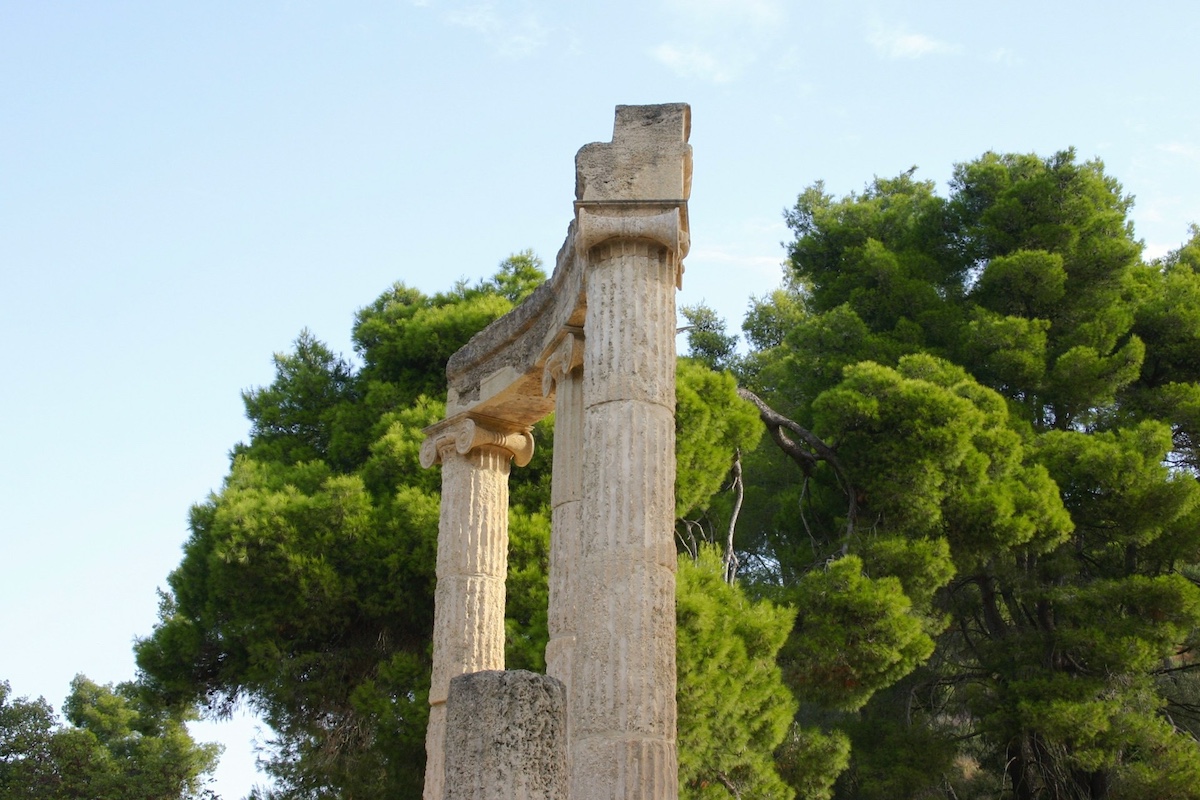
One of this summer’s blockbuster movies was “The Odyssey,” based on Homer’s epic poem written more than 2,700 years ago. It follows the grueling 10-year journey of Odysseus, the King of Ithaca, as he struggles to return home after the Trojan War.
This journey was full of monsters, shipwrecks, temptations and divine intervention.
My memories of Homer and this famous epic poem can be traced back to my freshman year at Ohio State University when I took “Classics 222.” Deep in my memory bank are the Cyclops, Circe, Calypso and the many dangers Odysseus encountered on his journey home.
Even at a young age, I understood the poem was about more than battles. It was a story of perseverance, patience, wisdom, adaptability, leadership and family legacy. Looking back, I realize these themes are not much different from the everyday realities found on many family farms.
As our family watched the movie earlier this month, I found myself less captivated by the heroics of Odysseus and more interested in those who remained steadfastly loyal to him throughout his long absence, including his dog Argos, his servants Eumaeus and Eurycleia and his trusted friend Mentor. Each played a vital role in preserving his household and legacy.
Mentor’s contribution was unique because his greatest responsibility was preparing the next generation to lead. When Odysseus left for the Trojan War, he entrusted his household and infant son Telemachus to Mentor’s care. He tasked him with guiding Telemachus into adulthood. In fact, the modern English word “mentor” comes from this relationship and today refers to a trusted guide, teacher or counselor.
Learning from Mentor
What can today’s farm managers learn from Mentor? Mentor provided wise guidance and encouragement and taught through advice rather than control. By helping Telemachus develop the confidence, judgment and leadership skills needed to succeed, Mentor demonstrated a lesson that remains relevant for today’s farm businesses. Future leaders are developed through intentional mentorship, not by chance.
On many farms, intentional mentoring can take a variety of forms. It may involve allowing a successor to manage a livestock or crop enterprise, lead the family business meeting or participate in conversations with lenders, landlords, attorneys and other key business partners. These experiences provide more than technical knowledge. They help emerging leaders develop communication skills, decision-making ability and confidence.
Do you have a mentorship plan for your operation, or do you assume the next generation will simply learn leadership through experience? Who within your operation, and outside it, can help prepare the next leader of the farm?
Reverse mentoring
Many people assume mentorship flows only from older generations to younger ones. This was very true for Mentor and Telemachus. However, mentorship can also flow in the opposite direction, a concept known as reverse mentoring. Reverse mentoring is the flow of knowledge, skills and perspectives from younger or less experienced individuals to senior decision-makers.
Reverse mentoring can be especially valuable on farms because younger employees and family members often possess superior skills in areas such as technology, digital communication, data management and emerging workforce and consumer trends.
Farms can encourage reverse mentoring through mentoring pairs, cross-generational project teams and regular opportunities for younger employees and family members to share expertise. A skills inventory can also help identify strengths that might otherwise go unnoticed.
Learn from one another
Whether through traditional mentoring or reverse mentoring, the strongest farm businesses create opportunities for every generation to learn from one another. As an example, a young successor may teach the owner how to analyze data from robotic milkers and activity monitors, while the owner teaches the successor how to read people, build trust, and make difficult decisions when conditions are less than ideal.
While Odysseus spent 20 years away from home fighting the Trojan War and trying to return to Ithaca, Mentor spent those same years preparing the future of the king’s household. Farm transition works much the same way. A successful transition depends not only on preserving the business but on intentionally developing the next generation of leaders. The most important question may not be who will inherit the farm, but who is being mentored today to lead it tomorrow.