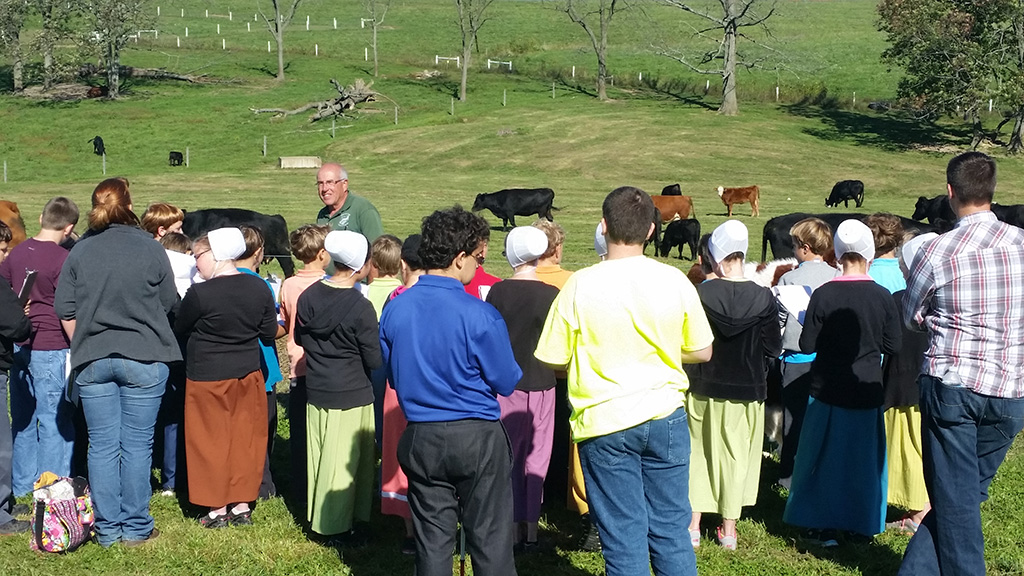
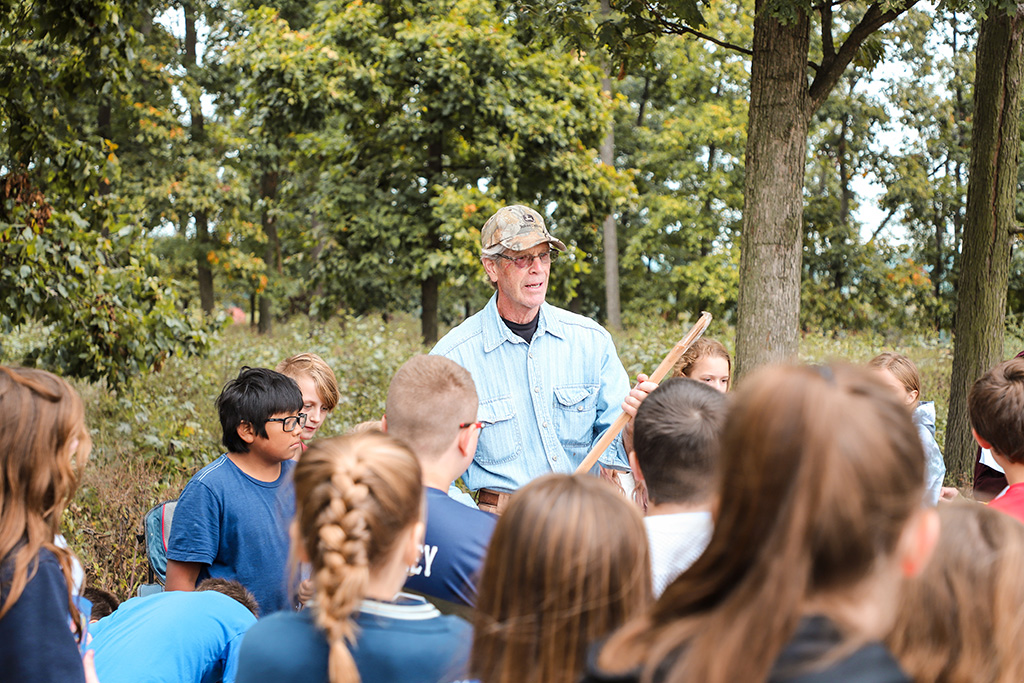
Since 1965, the Holmes Soil and Water Conservation District has hosted a Fifth Grade Conservation Farm Tour. The goal is to get every student out to see, learn, touch and smell everyday life on a farm.
More and more, it seems there is a larger disparity between the “farm kids” and those not growing up on or around farming. We have seen the results,with teachers, parents and producers alike telling us where their Fifth Grade Farm Tour was hosted and something they had learned.
It does take a village to make this work as seamlessly as it has for us over the past 60 years, but getting in the swing of things is half the battle. Job number one comes not from the soil and water office, it’s the willing farmer who opens up an operation to a small hoard of students.
It is amazing to me that these producers come to us and ask to host each year. Rotating the tour around year to year is an added experience because every farm has its own nuances, but also many similarities.
Similar themes, or in our case, stations, can stretch from dairy to sheep or even row crops. Soil is the basis for agriculture, water quality, crops or feed production, forestry, safety and all other stations.
Funny enough, just like the farm hosts, if you start asking around for volunteers (experts in their field), most often you’ll get the same response: “How can we help?” And the best part is that the stations share our agricultural experience while fitting into most state curriculum. For the kids, they can ask questions and get hands-on to the point they don’t even realize they are learning.
Collaboration with the schools and school districts is critical. Each school has its own start time, end time, bus schedule and building location, so understanding and adapting to these day-to-day realities builds acceptance. We have been blessed but also understand it takes support from teachers and parents, as well as administrators and transportation supervisors. We do take care of the bus drivers who take each of these classes, but most won’t sit idly on their bus — they, too, are out taking the tour.
You also can’t forget language arts or art. We’ve incorporated an essay contest and poster contest for each of the students. These two contests build on the students’ experiences and continue to incorporate more curriculum for the schools. Our two FFA chapters collect and judge their respective district’s poster submissions.
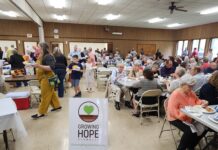
For the essays, we gather a group of literary enthusiasts to read and score each submission. All of this culminates in recognition for the victors at our annual meeting, bringing another generation with their family to learn about conservation and to receive their awards.
It sounds daunting, but this is where the rest of the community comes in. From the host to the station instructors, food service and financial sponsors, most of the time all you have to do is ask. Our experience includes our county dairy committee, farm bureau, FFA chapters, ag equipment dealers, churches, fair boards, media outlets, commissioners and more who provide either time, resources or in-kind donations to make these events as special for this year’s fifth graders, as it may have been for them.
Most have heard that the best day to plant a tree was yesterday, well I contend the same goes with getting kids hands-on with agriculture and conservation. It doesn’t matter if you start with kindergarten or seniors, let’s do what we can to get today’s kids out on a working farm.
It doesn’t have to be the soil and water conservation district that coordinates and hosts these programs, but we are always a good place to start.
If your school doesn’t have a program like this, reach out and ask. I’m not promising anything for others, but I bet you can find a group willing to help and that it would be an experience those kids will remember long past graduation. They might even end up working in agriculture and hosting or helping the next generation at “their” farm tour.