



As we roll into March, it seems like Buckeye Chuck and Punxsutawney Phil were both right. We’ve had a bit more winter and a taste of spring over the past few weeks.
Now is the perfect time to dream of warmer days and begin planning your summer garden. What will you grow?
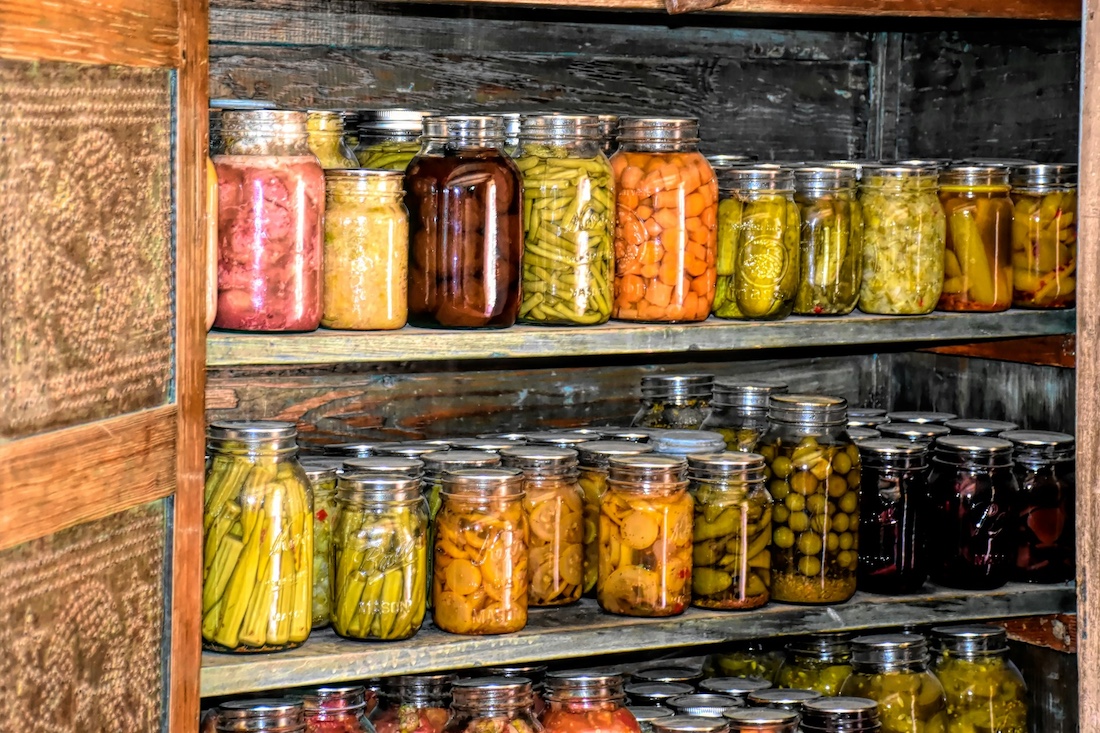
And once the harvest comes in, how will you preserve all that beautiful summer produce? The peace of mind that comes from knowing you have food on hand to carry you through the year is something you simply can’t buy.
Before the garden is producing, and it’s time to fire up the canner, take a moment to inventory what you already have and what may need to be replenished. Have your pressure canner inspected and tested for accuracy at your local extension office. Check your supply of jars, lids and rings, and stock up if needed.
Take a close look at your equipment as well — if anything has seen better days, now is the time to replace it, not when you’re in the middle of a busy canning season.
Next, think about what you plan to preserve this year. For best quality, it’s recommended to preserve only what you can realistically consume within a 12-to-18-month period. Did you run out of anything last year? Do you still have plenty of something sitting on the shelf? Is there something new you would like to try canning preserving this year?
Grab a notepad and start tracking how many jars per month your family typically uses of the foods you preserve. This simple exercise will help you set realistic, practical goals for the upcoming season. USDA Complete Guide to Home Canning has a great worksheet to help you track how much you might use in a year. Visit https://nchfp.uga.edu/papers/guide/GUIDE01_HomeCan_rev0715.pdf and go to pages 1-32.
Once you have estimated how much of each item you want to preserve, you can work backwards to determine how much of each vegetable or fruit you need to grow or purchase.
For instance, if your family uses one quart of green beans each week (52 per year), you would need approximately 100 pounds of fresh beans based on yield estimates from the National Center for Home Food Preservation.
Taking the time to evaluate your past product use and plan for the coming season now can save many frustrations in the future.
Reach out to your extension office for resources on growing, using and preserving Ohio produce.
To learn more on your own, check the Internet. Just remember that anyone can post anything on the Internet – it doesn’t have to be true or safe. Here are a few safe and reliable resources.
• National Center for Home Food Preservation: nchfp.uga.edu
• North Central Food Safety Extension Network: www.ncrfsma.org/north-central-food-safety-extension-network-ncfsen
• Ohioline: ohioline.osu.edu
• OSU Extension Food Preservation Team Webinars: You can find recordings of over 40 past webinars at go.osu.edu/foodpreservationwebinars. Check out the list of webinars and watch at your leisure or find the topic you need NOW!
We’ve got you covered! Just ask.
(Kate Shumaker is a family and consumer sciences educator with Ohio State University Extension in Holmes County. She can be reached at 330-674-3015.)