Yearly Archives: 2025

Ohio invests $30M to address large animal vet shortage
Ohio is investing $30 million in OSU’s College of Veterinary Medicine to expand rural veterinary care, strengthen biosecurity, and support agriculture statewide.

A story waiting to be told: Part 1
Judith Sutherland shares a story about her great uncle who she knew as a kindly old man but lived an exciting life long before that.
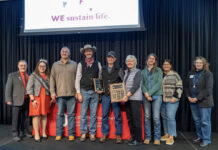
Darke County couple receives Master Shepherd Award
Bob and Donna Peters were recently awarded the Charles Boyles Ohio Master Shepherd Award at the Ohio Sheep Improvement Association/Ohio Sheep and Wool awards during the Buckeye Shepherd’s Symposium.

Eliza Blue: Surviving the winter road trip
A prairie life story from western South Dakota about a blizzard-born baby, winter travel, snowstorms, and hard lessons from driving through extreme weather.

Passing on Christmas hosting
A mother reflects on decades of Christmas mornings, cherished childhood gifts, and letting go as traditions shift with an empty nest and a new generation of hosts.

Whole milk could soon be returning to school cafeterias
The Whole Milk for Healthy Kids Act of 2025 awaits the president's signature, after it passed Congress earlier this week with bipartisan support.
USDA launches new $700 million regenerative ag pilot program
Administered by USDA’s Natural Resources Conservation Service, the new Regenerative Pilot Program will deliver a “streamlined, outcome-based conservation model." The funding comes only months after the Trump administration canceled the $3 billion Biden-era Climate-Smart Commodities program, which incentivized farmers to reduce greenhouse gas emissions through conservation practices.
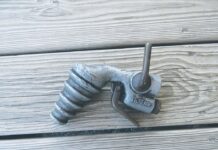
Help us identify Item No. 1297
Our submitter was told Item No. 1297 was a pressure washer, but he tried it and it didn't work well. We need your help on identifying this mystery tool!

Alan Guebert: Bridge to where, exactly?
A fact check of White House claims on farm aid shows tariffs hurt U.S. agriculture, boosted bailouts and contradict rhetoric about a “war on farmers.”

Well-pad setback petition moves on to Pennsylvania DEP
The petition asks the Pennsylvania Department of Environmental Protection to consider adopting setbacks of 3,281 feet from any building and drinking water well, 5,280 feet from any building serving vulnerable populations (including schools and hospitals) and 750 feet from any surface water. Currently, the minimum statewide setback distance from homes and private wells is 500 feet.