





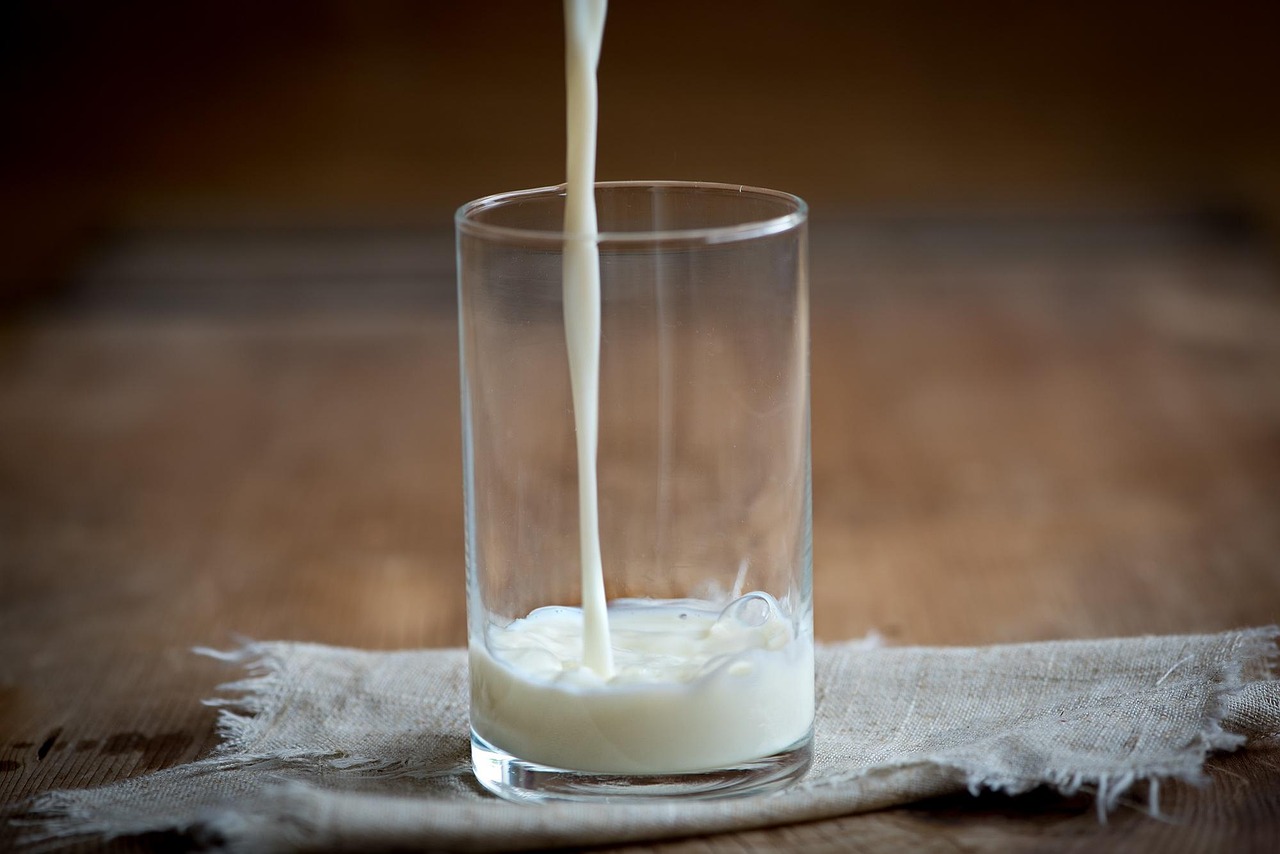
SALEM, Ohio — A bill aimed at bringing whole and 2% milk back to school cafeterias is headed to the president’s desk.
In a rare moment of bipartisan cooperation, the U.S. House of Representatives approved the Whole Milk for Healthy Kids Act of 2025 by a voice vote on Dec. 15. The Senate earlier approved the legislation by unanimous consent.
“Whole milk is an essential building block for a well-rounded and balanced diet, and students should have the option to choose the milk they love,” U.S. Rep. Glenn “GT” Thompson, R-Pa., said in a statement after the House passage of the bill. Thompson, who introduced the House version of the legislation with U.S. Rep. Kim Schrier, a D-Wa., has championed the whole milk cause for the last decade.
Dairy farmers and farm advocacy organizations alike are celebrating the bill’s passage, which is anticipated to boost milk consumption after years of decline.
The Healthy, Hunger-Free Kids Act of 2010 removed whole and 2% milk from school meal programs as part of an effort to reduce childhood obesity. That legislation limited milk options to fat-free and 1% varieties, based on the belief that higher fat content in milk contributed to obesity, high blood pressure and heart disease in children.
The move drew the ire of dairy farmers and industry advocacy organizations, who disputed those claims and blamed the law for falling milk consumption. The argument has
Studies from the National Institutes of Health, including an analysis published in The American Journal of Clinical Nutrition, have found that children who drink whole milk may have lower risks of being overweight or obese compared to those who consume reduced-fat milk. Some findings suggested that children drinking whole milk had about an 18% lower odds of obesity.
Milk consumption in the U.S. has steadily declined for decades. According to the U.S. Department of Agriculture, daily per-person milk consumption fell from 0.96 cups in 1970 to 0.69 cups in 2000. By 2019, it was at half a cup per day.
Many in the state and national dairy industry have praised the bill, including the Pennsylvania Farm Bureau, 97 Milk, American Farm Bureau Federation, National Milk Producers Federation and International Dairy Foods Association.
“We look forward to restoring nutritious beverage options in schools and growing the current pool of fluid milk consumers,” PFB President Chris Hoffman said in a statement.
USDA Secretary Brooke Rollins even released a statement, calling the legislation commonsense and labeling it “another win in President Trump’s efforts to Make America Healthy Again and to put Farmers First.”
Related content:
Fats in milk are misunderstood; new labels may help
97 MILK nonprofit seeks volunteers’ help to continue milk advocacy




