


SALEM, Ohio — Ohio is investing $30 million over the next two years to protect animals, people and agriculture in the state through innovative partnerships and programs centered at the Ohio State University College of Veterinary Medicine.
The Protect One Health in Ohio (Protect OHIO) initiative will support increased class size in the college, with recruitment focused on students who plan to practice rural and large animal medicine. It will also expand partnerships with producers, schools and communities across the state to develop mentorship programs and share biosecurity best practices and establish a virtual Emerging Infectious Disease Center.
“This is not a one-size-fits-all program,” said Rustin Moore, DVM, PhD, Rita Jean Wolfe endowed dean, College of Veterinary Medicine. “We will talk with commodity groups and other leaders, as well as veterinarians across the state. We also plan to work with school systems, students, parents, chambers of commerce, perhaps host regional events. Our mission is to support the people of Ohio.”
The college appointed Leah Dorman, DVM, a 1995 graduate of the college, as director of outreach and engagement to connect with schools, farmers and community leaders to build a pipeline of Ohio students interested in careers in large animal and rural veterinary medicine. She plans to engage with youth development programs such as 4-H and FFA.
“Right now, I am focused on listening and asking questions,” Dorman said. “We want to understand the real issues that farmers face and the solutions we can help provide.”
Understanding One Health. One of the biggest issues faced by farmers across the country is a shortage of large animal veterinarians. That’s why Ohio Gov. Mike DeWine championed the Protect OHIO initiative.
“While visiting rural communities in Ohio, I repeatedly heard about the shortage of large animal veterinarians, who play a critical role in supporting our agricultural economy and protecting public health,” he said in an email. “By investing in OSU’s College of Veterinary Medicine, we want to expand the overall veterinary workforce in Ohio and specifically attract those from Ohio’s farming and rural communities into this field. After these students get their veterinary education in Ohio, it’s our hope that they stay here and build their lives and careers in the communities where they grew up.”
One Health focuses efforts on the links between human health, animal health and environmental health. For example, many emerging infectious diseases are zoonotic, starting in an animal population and moving to human infection.
Protect OHIO invests in the critical role veterinary professionals play in safeguarding public health, supporting agriculture and strengthening communities across the state. Land-grant institutions such as Ohio State were created more than 160 years ago to support research that would directly benefit farmers and drive economic growth. Agriculture remains Ohio’s biggest industry.
“Protect OHIO includes a robust research component,” said Alecia Naugle, DVM, PhD, chair of the Department of Veterinary Preventive Medicine. “We want to get information into the hands of the farmers who can use it.”
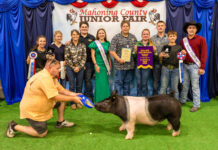
Building on existing partnerships. The department currently connects with youth throughout Ohio and Indiana through its Swientist program, which was established in 2015 in response to a significant increase in swine flu infections among people attending county fairs. The research team tests swabs taken from exhibition pigs and offers fun, educational programs to young exhibitors, teaching them ways to keep themselves and their animals healthy.
The program has adapted the model to serve individuals raising and showing poultry, including backyard poultry. Naugle believes future topics may include antimicrobial resistance and methods for conducting biosecurity audits.
Naugle’s department also hosts a bi-monthly gathering of animal health specialists from organizations including the USDA, Ohio Department of Agriculture, the Ohio Division of Wildlife and others. The “Applied Field Epidemiology” meeting provides updates on emerging diseases in wildlife that might affect horses, cattle, sheep, goats and other herds in the state. By working together and sharing information, the group helps protect farm animals and the people of Ohio.
Some of the investment from the state’s budget will provide scholarship support for veterinary students, along with mentorship programs to help guide students from high school through undergraduate work and veterinary school.
Veterinary school is expensive. Ohio residents pay nearly $40,000 per year for tuition at Ohio State; out-of-state students pay an additional non-resident surcharge of $46,000. Books and equipment cost nearly $5,000 during the first year.
Funding will also support the resources needed in the college to increase classroom space, including additional computers and new teachers. Autumn 2025 enrollment for the class of 2029 is 165 students. The college plans to increase the class size to 200 students over the next five years. About 70% of the students are Ohioans.




