




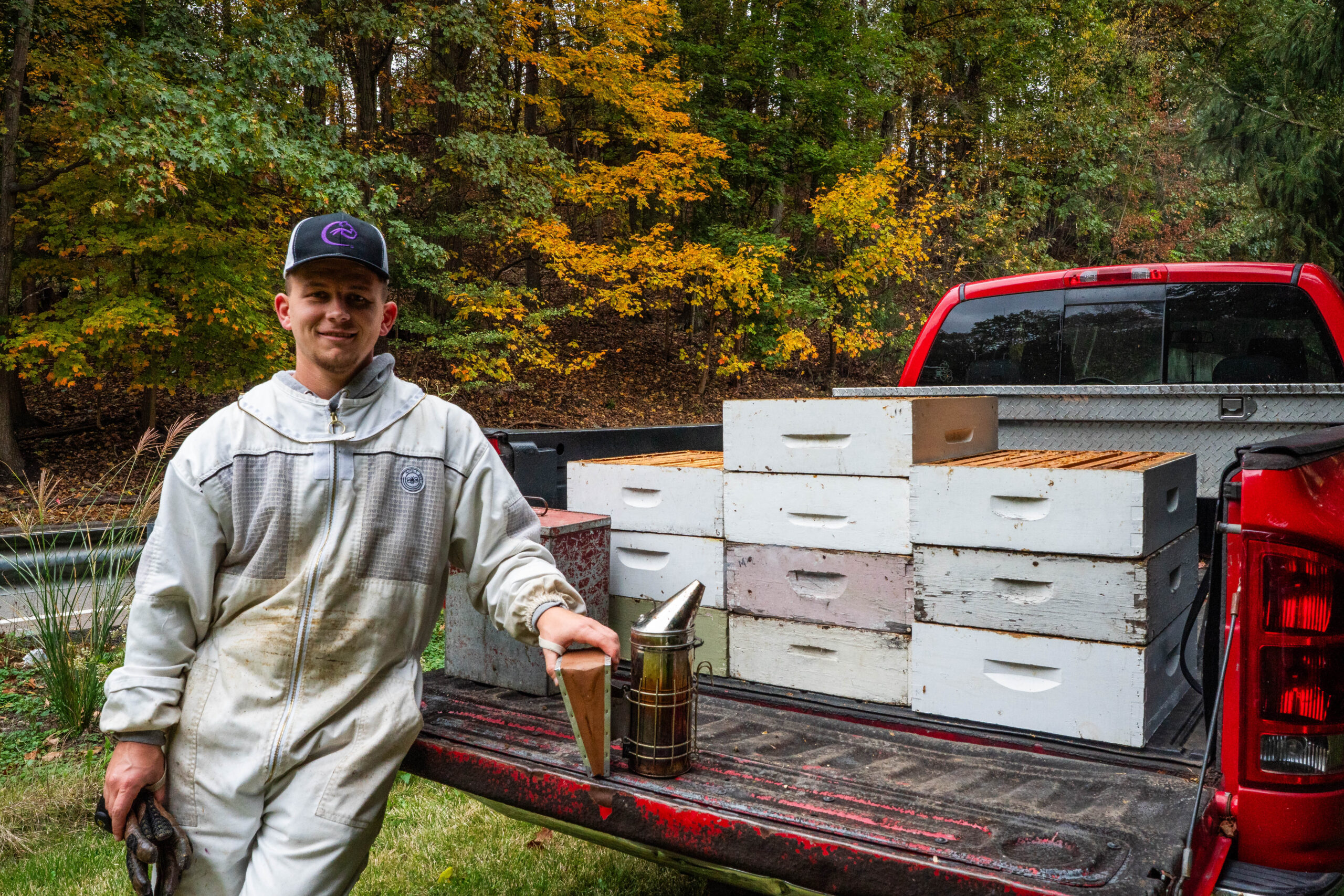
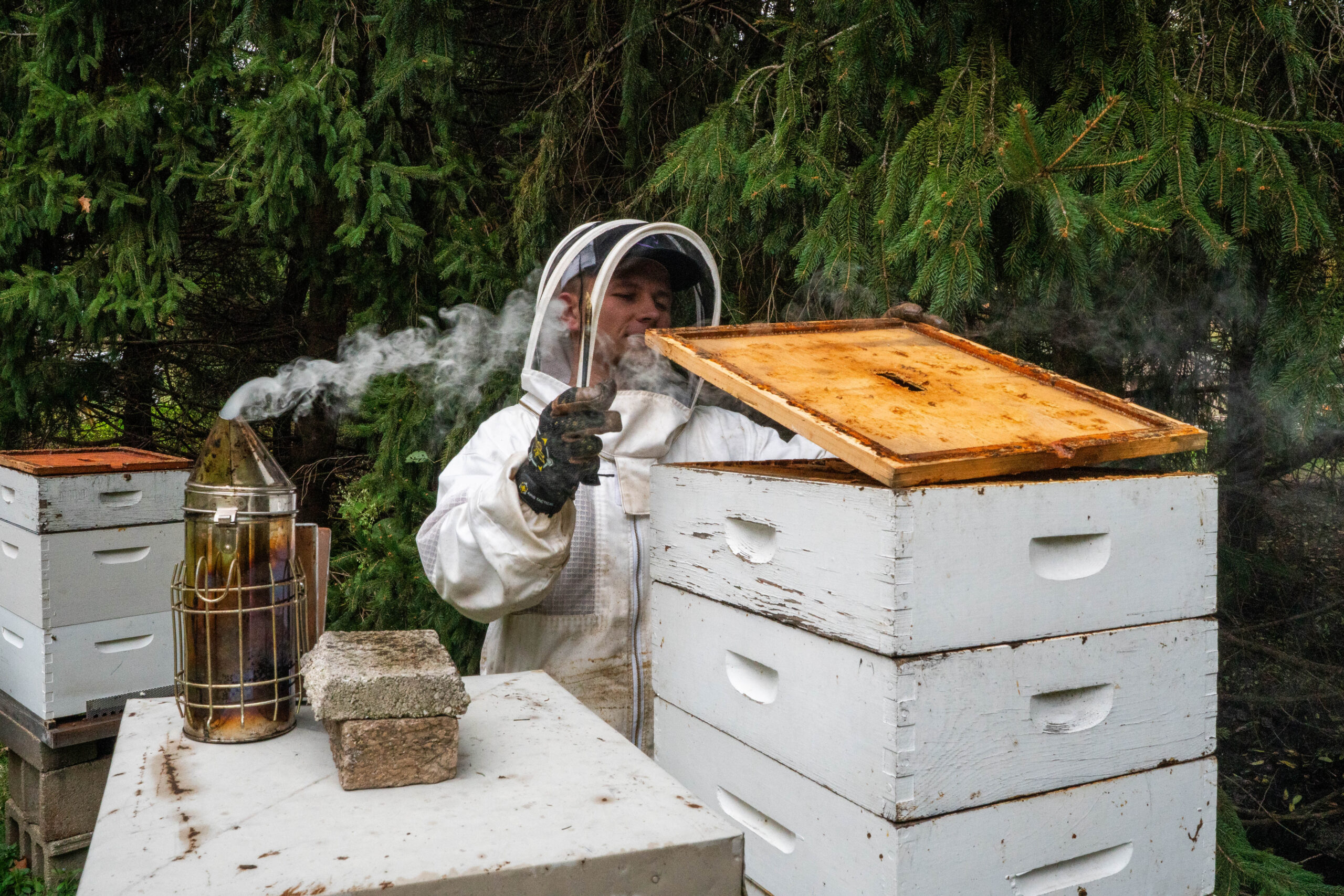
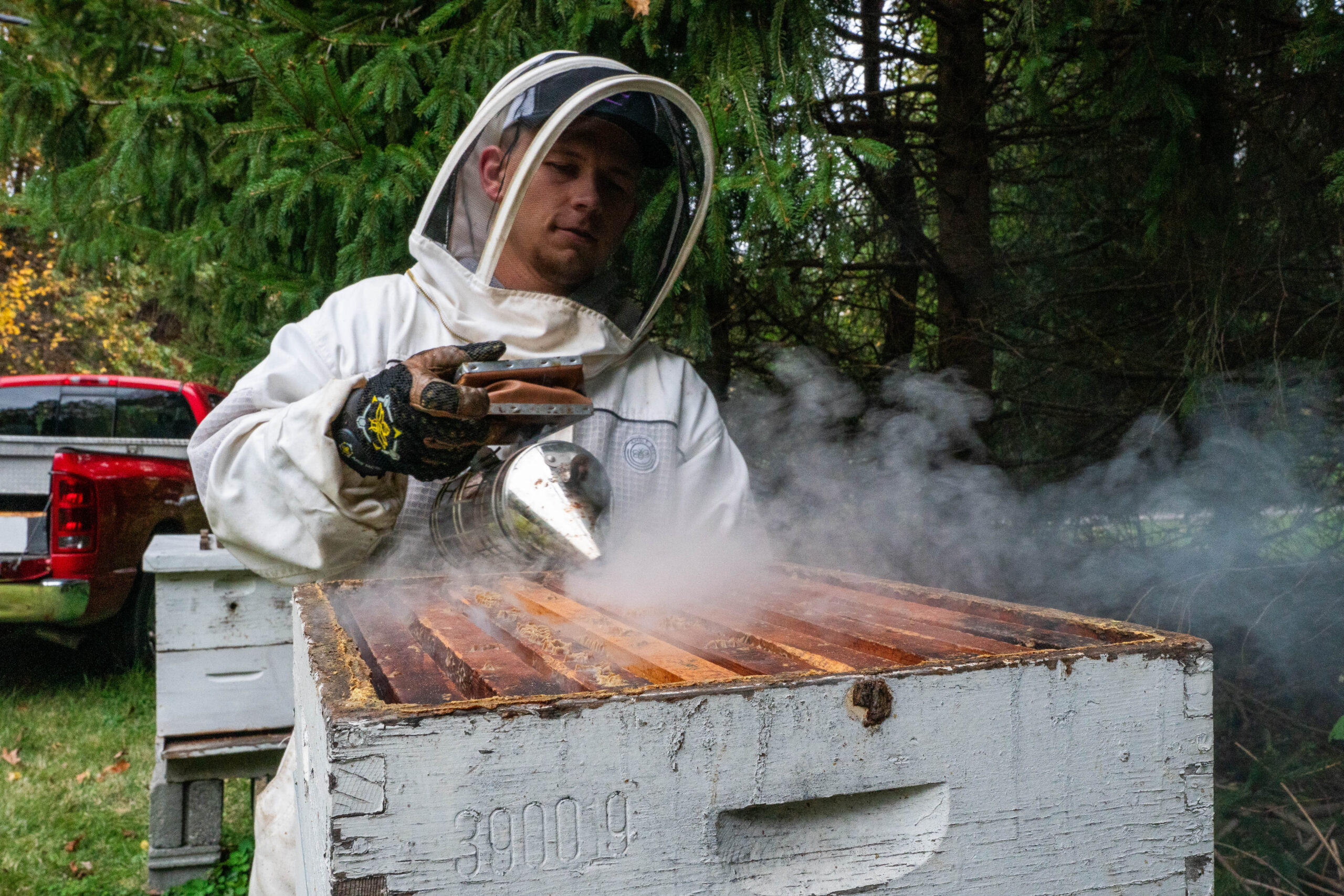
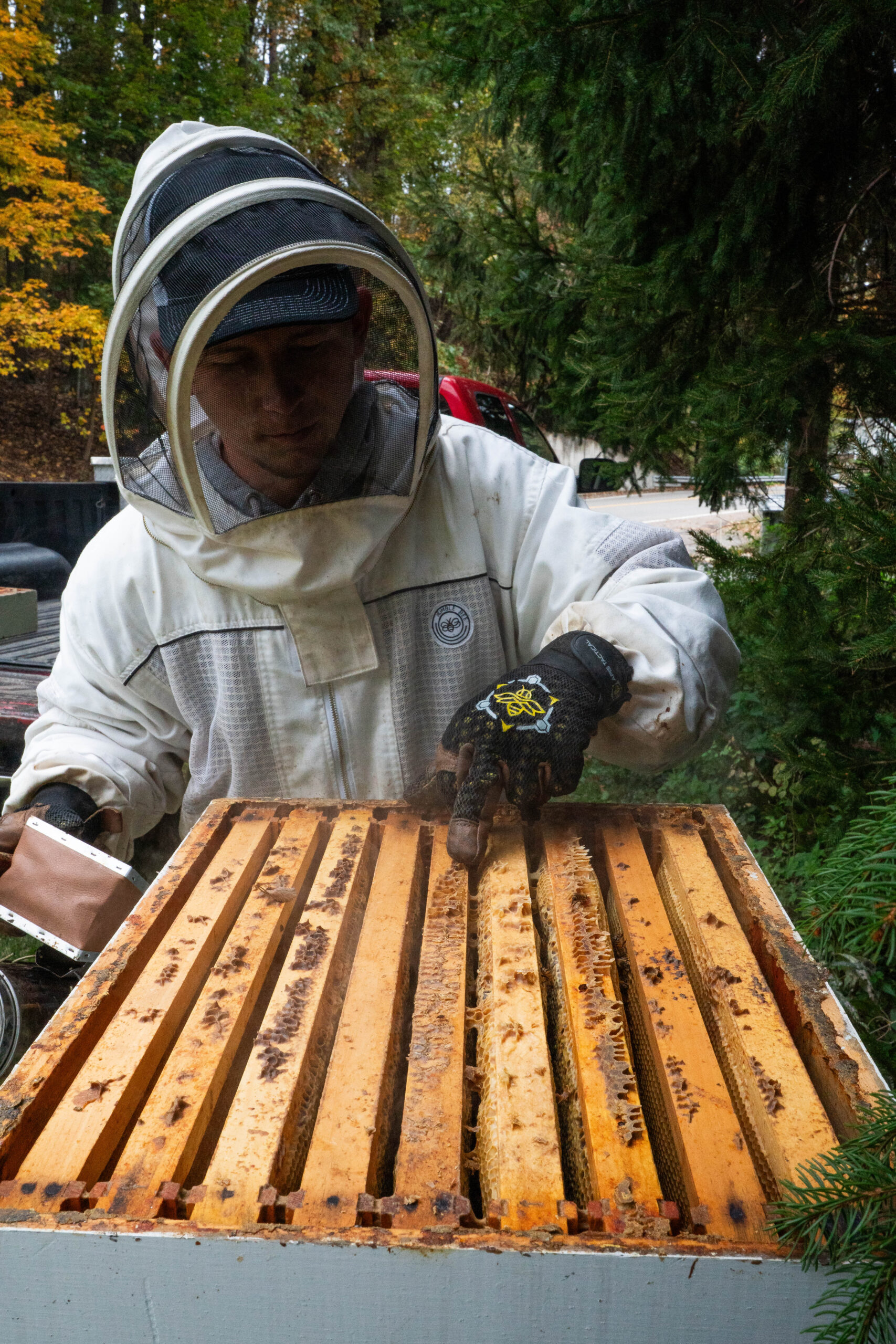
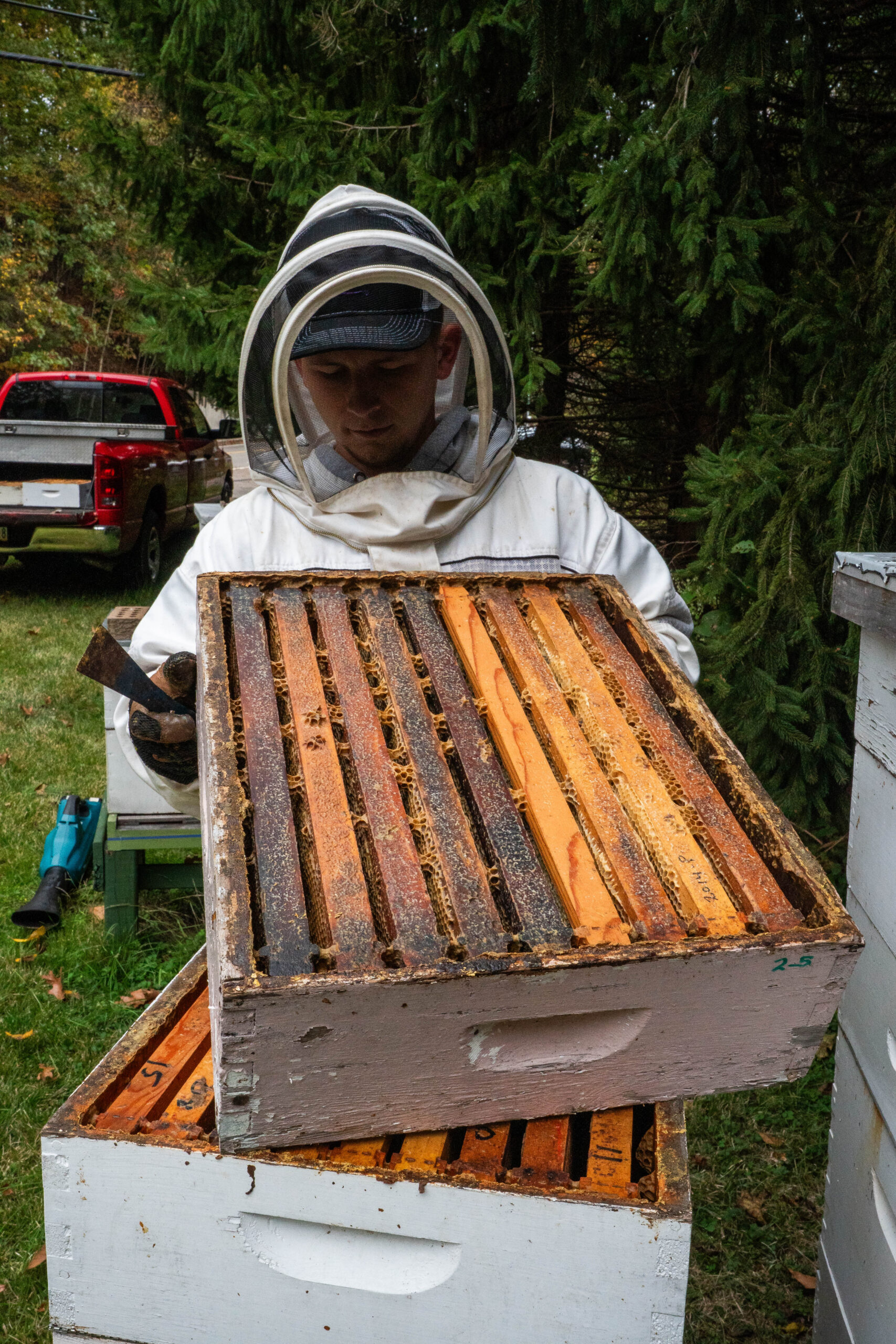
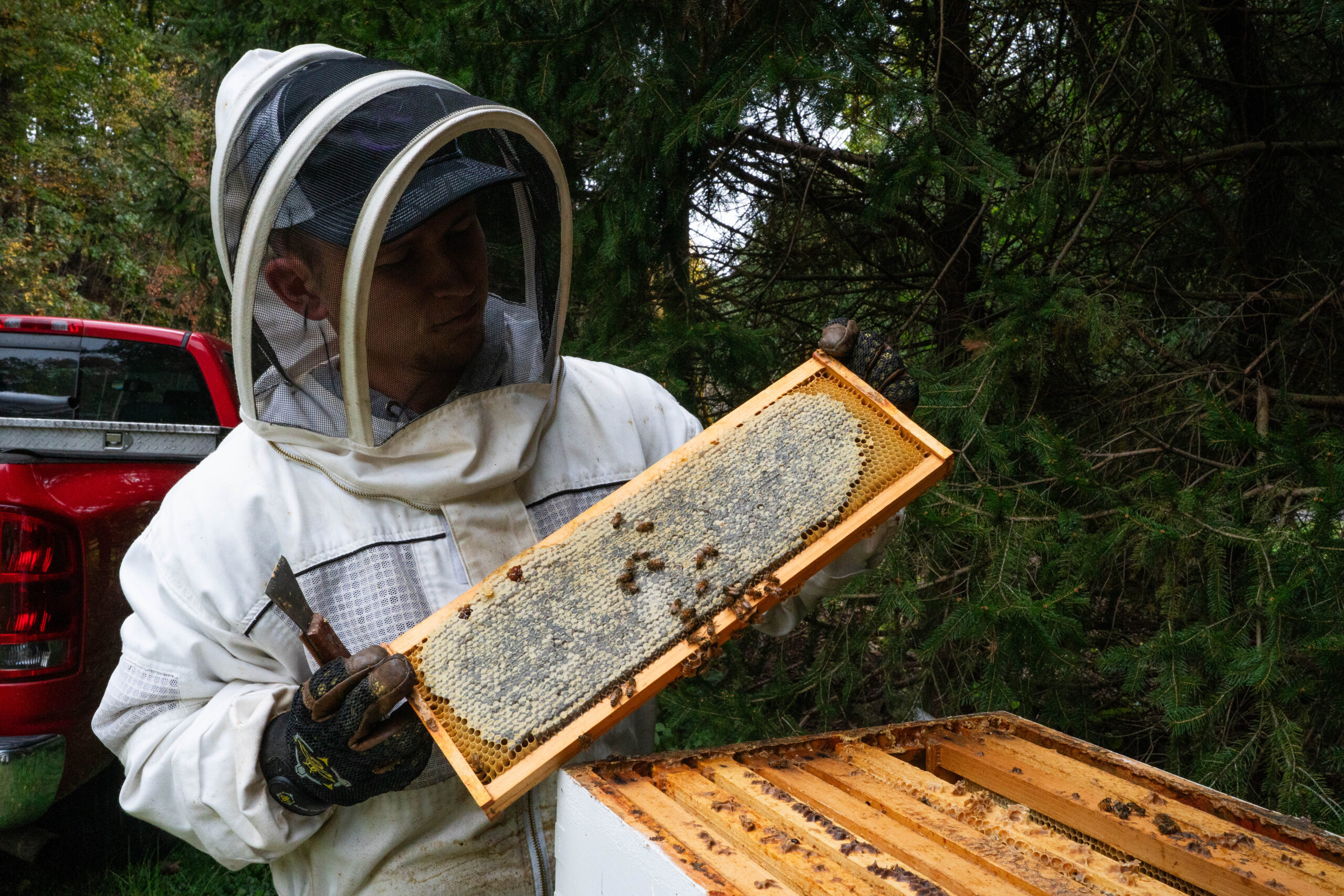
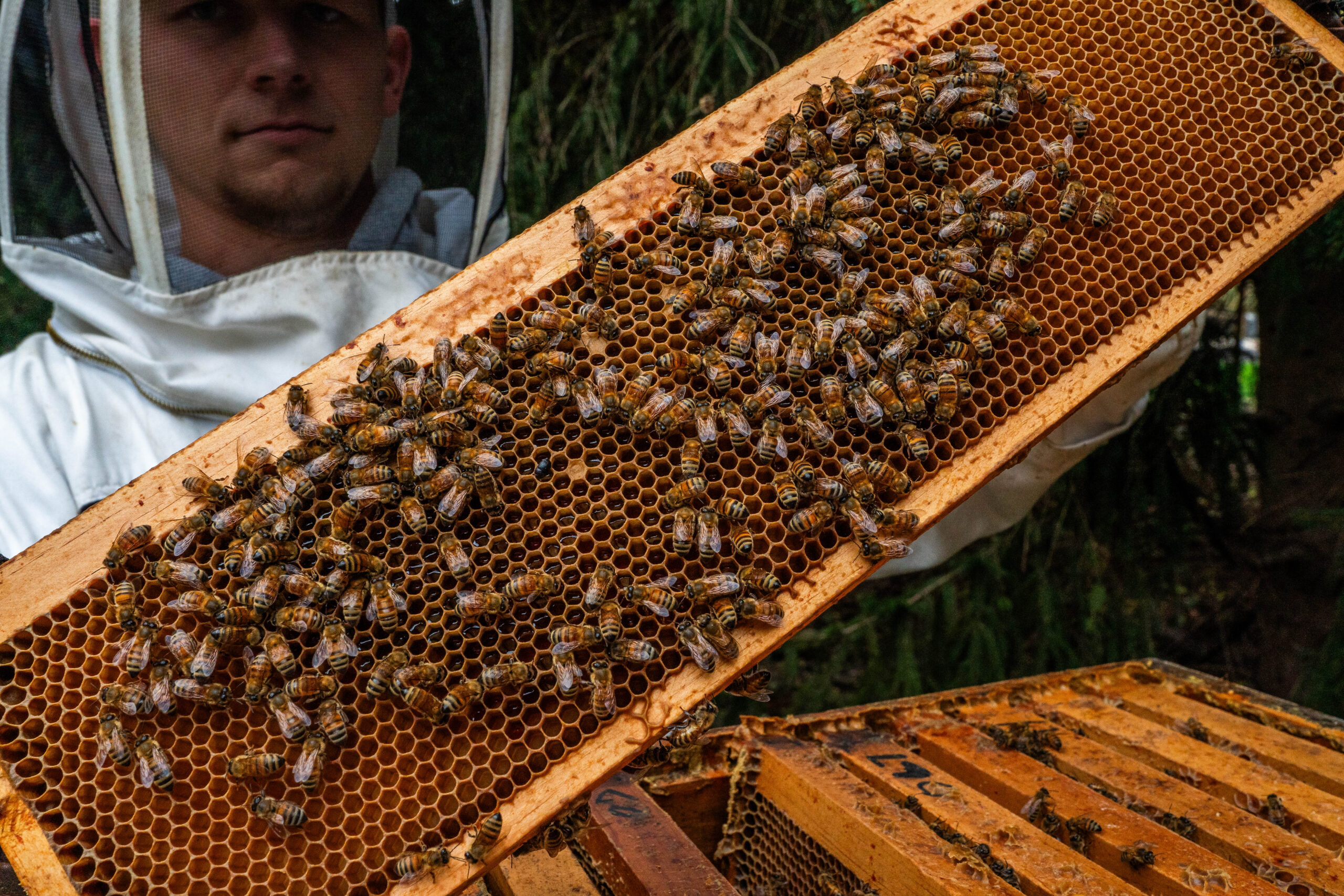
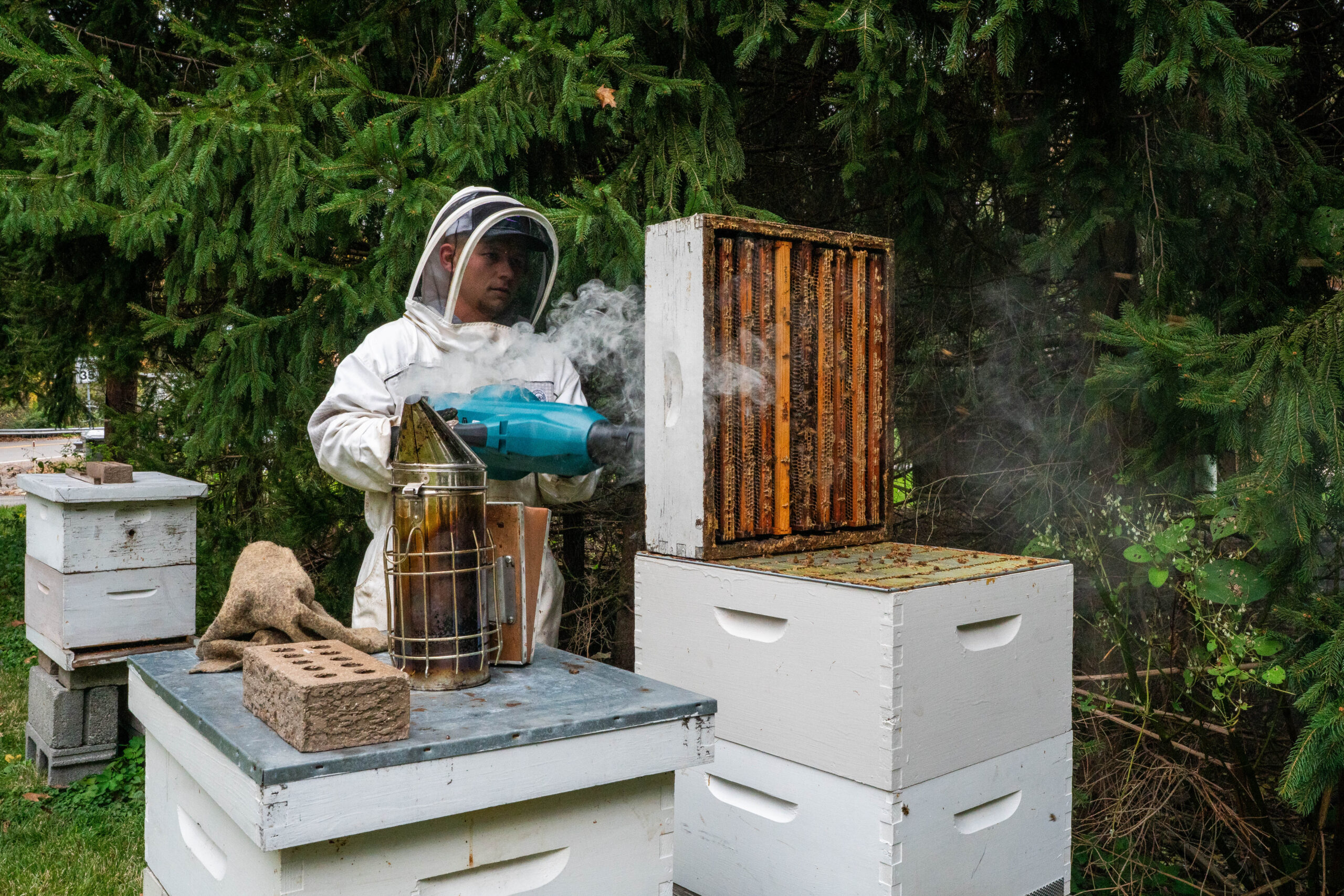
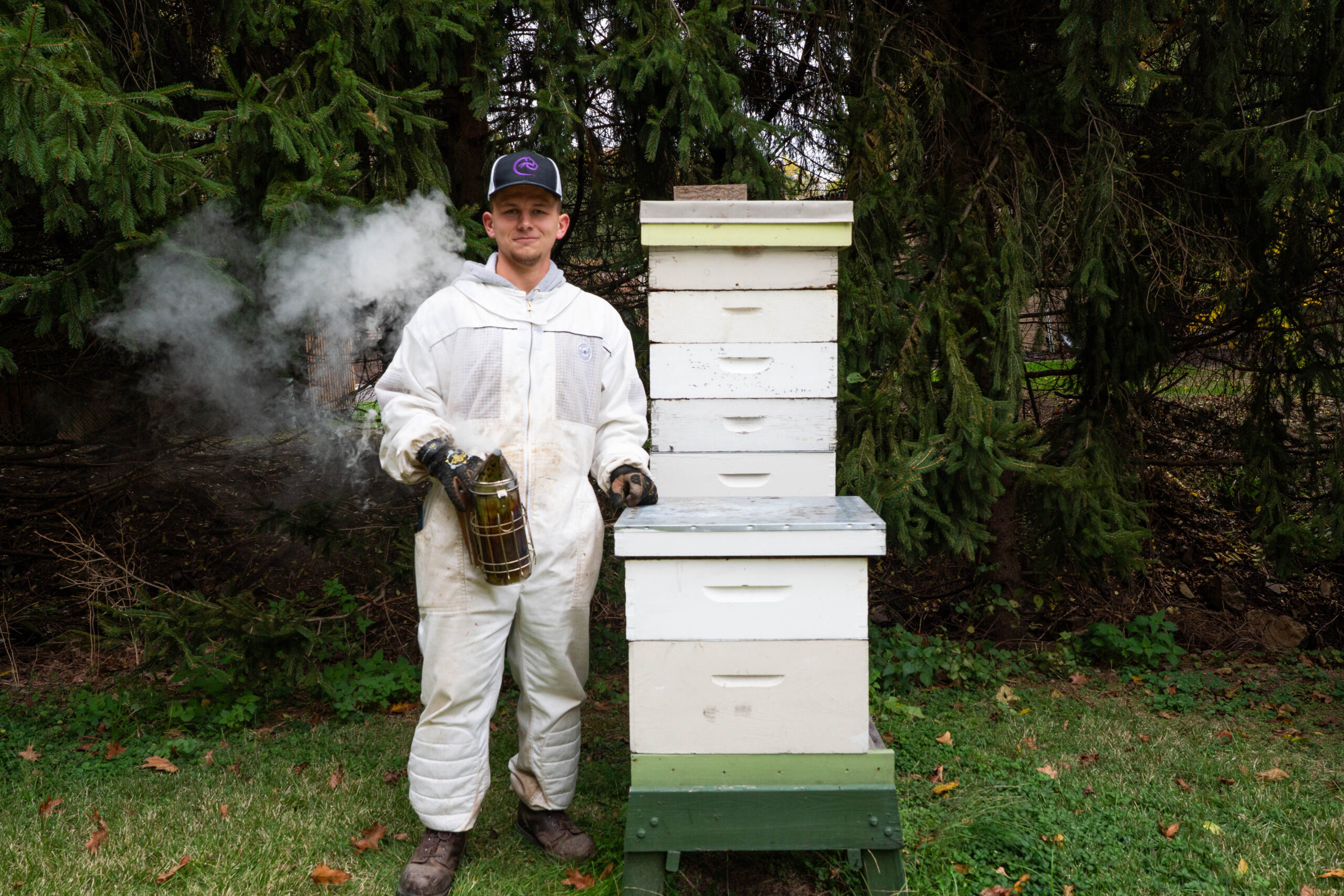
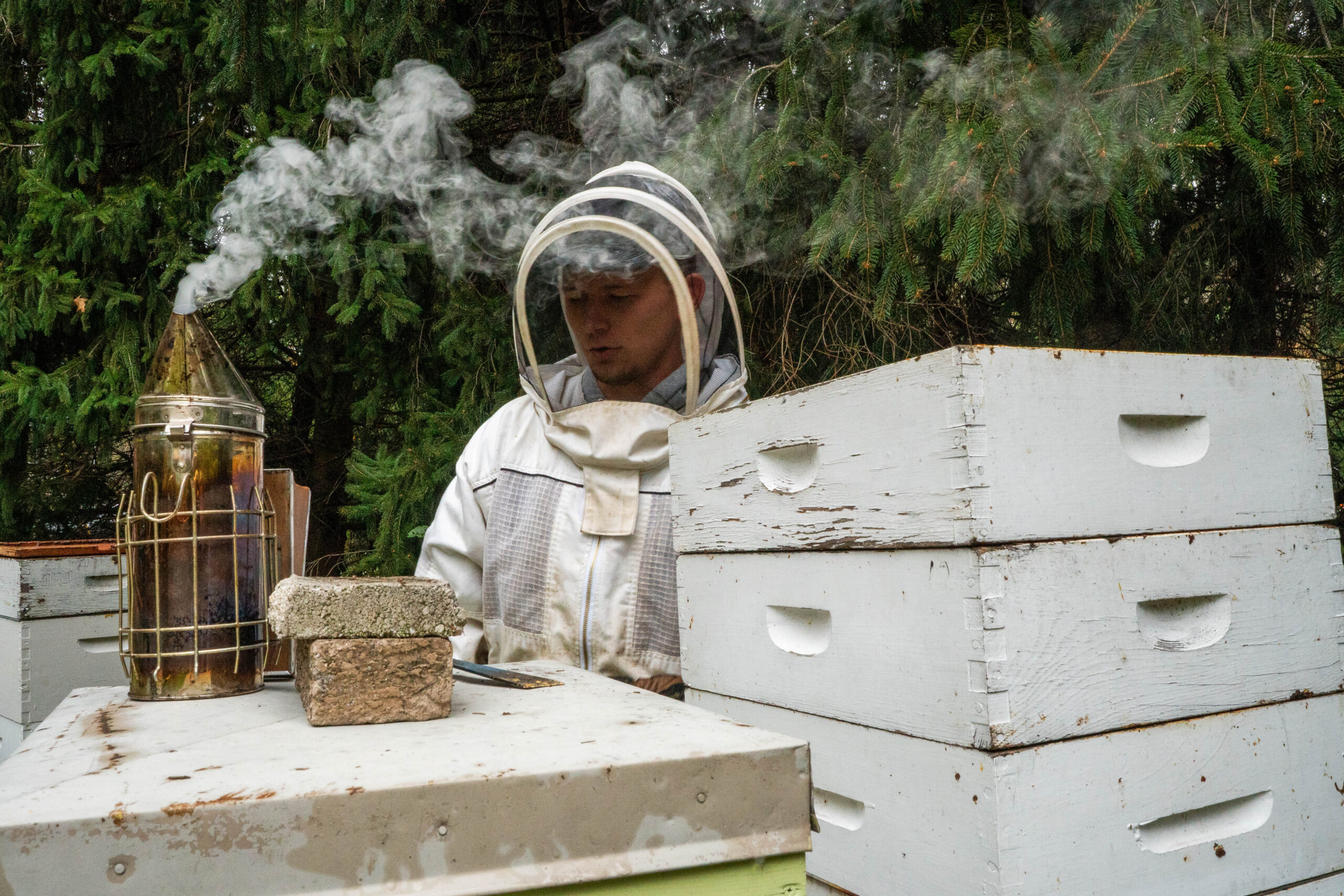
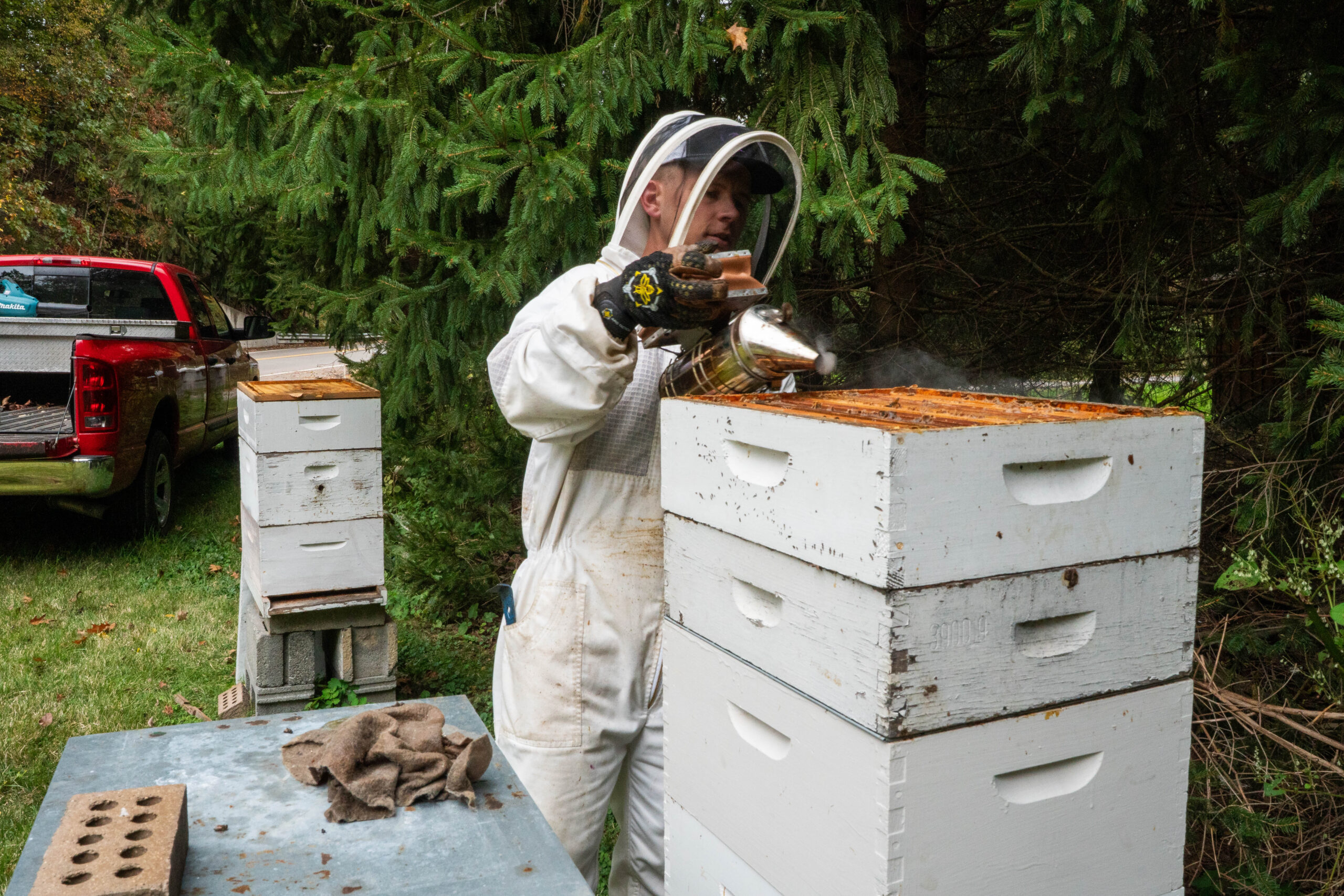
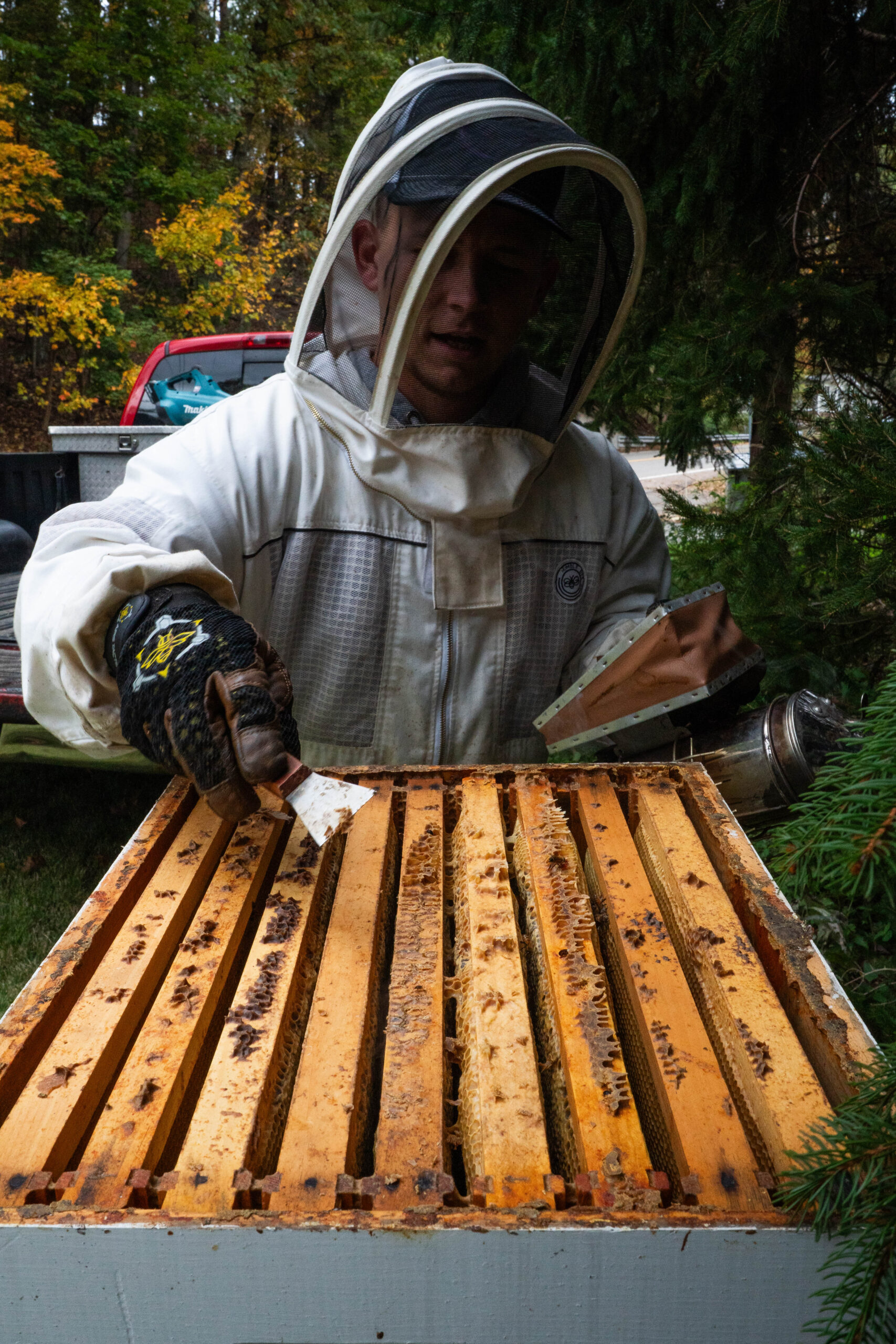
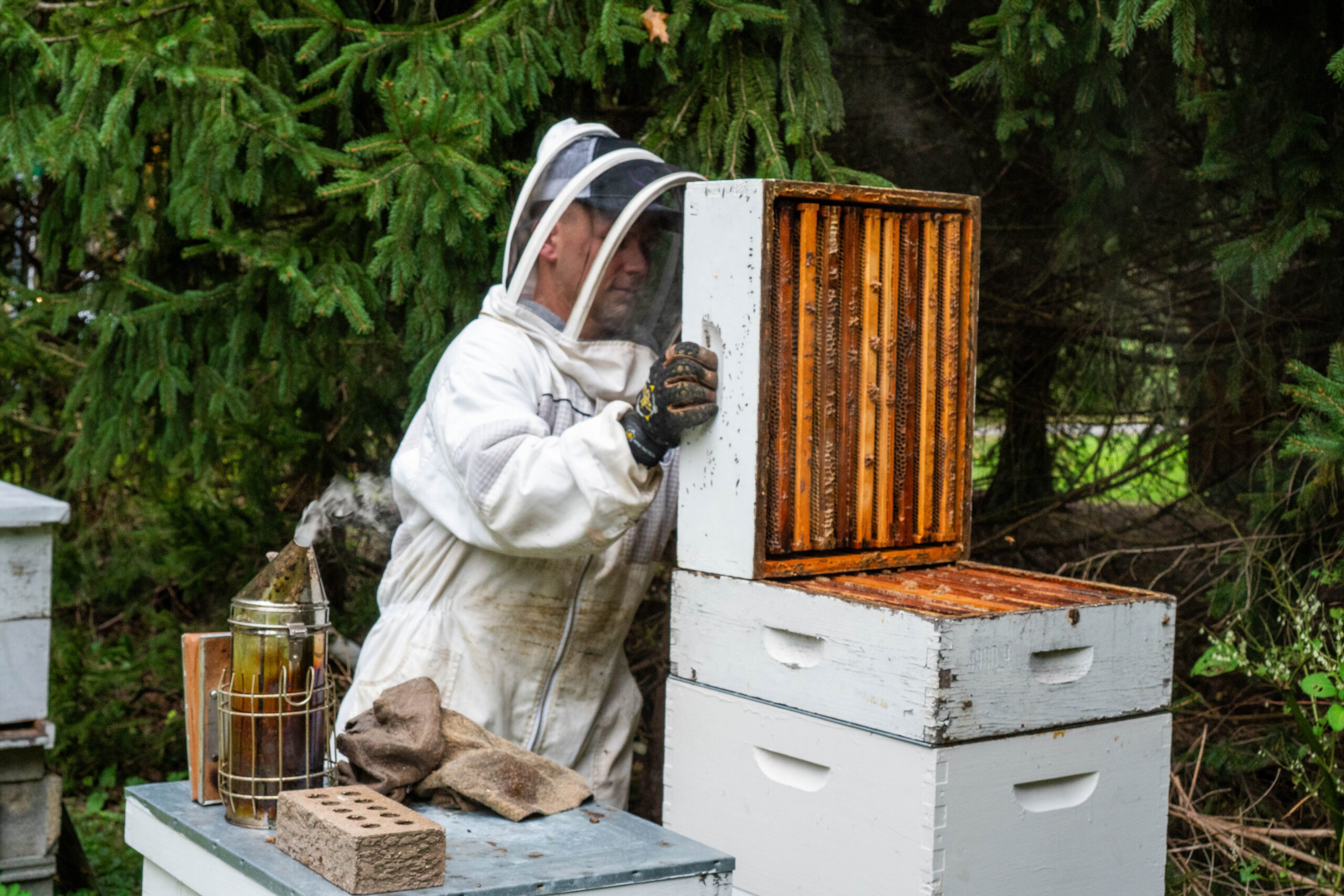
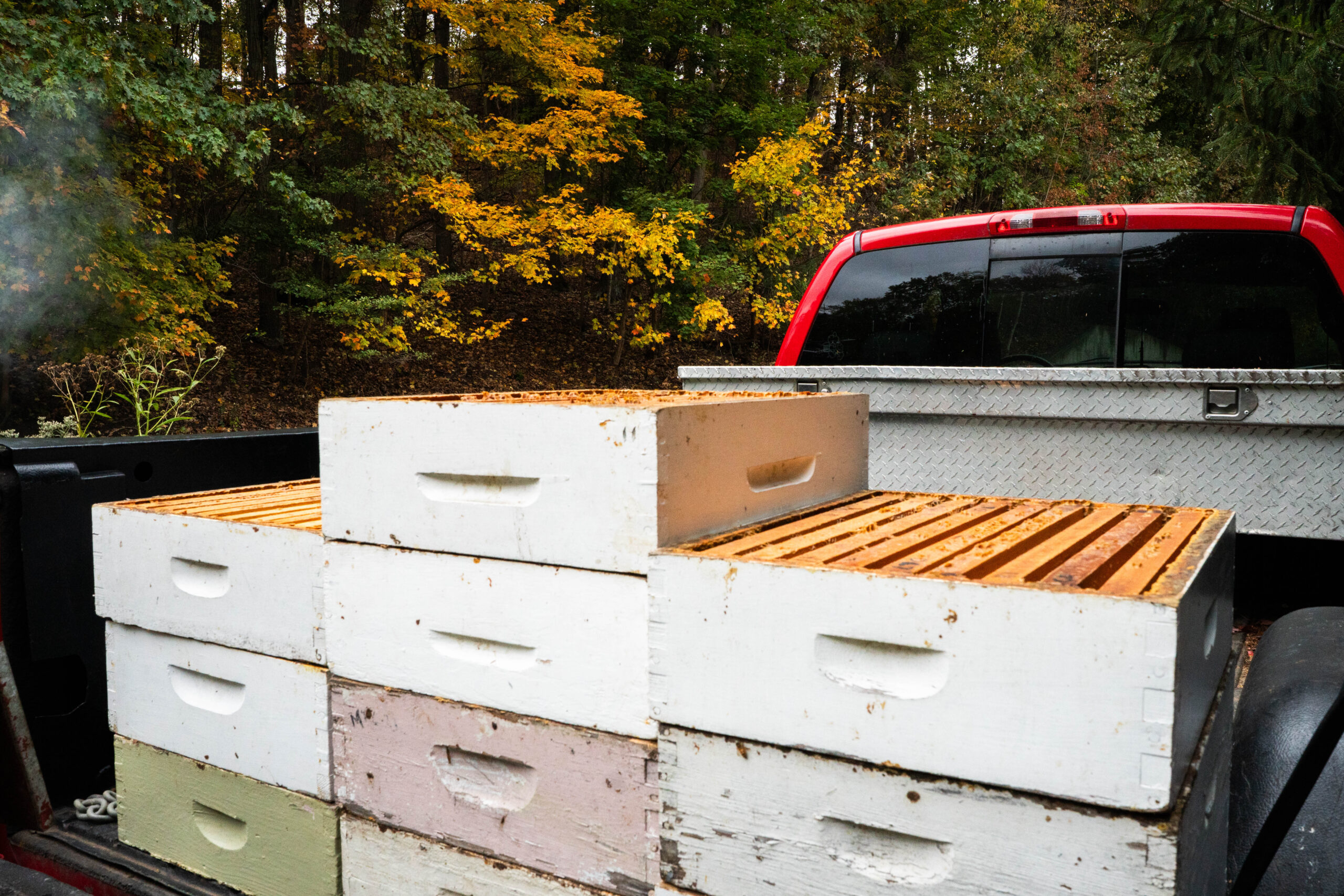
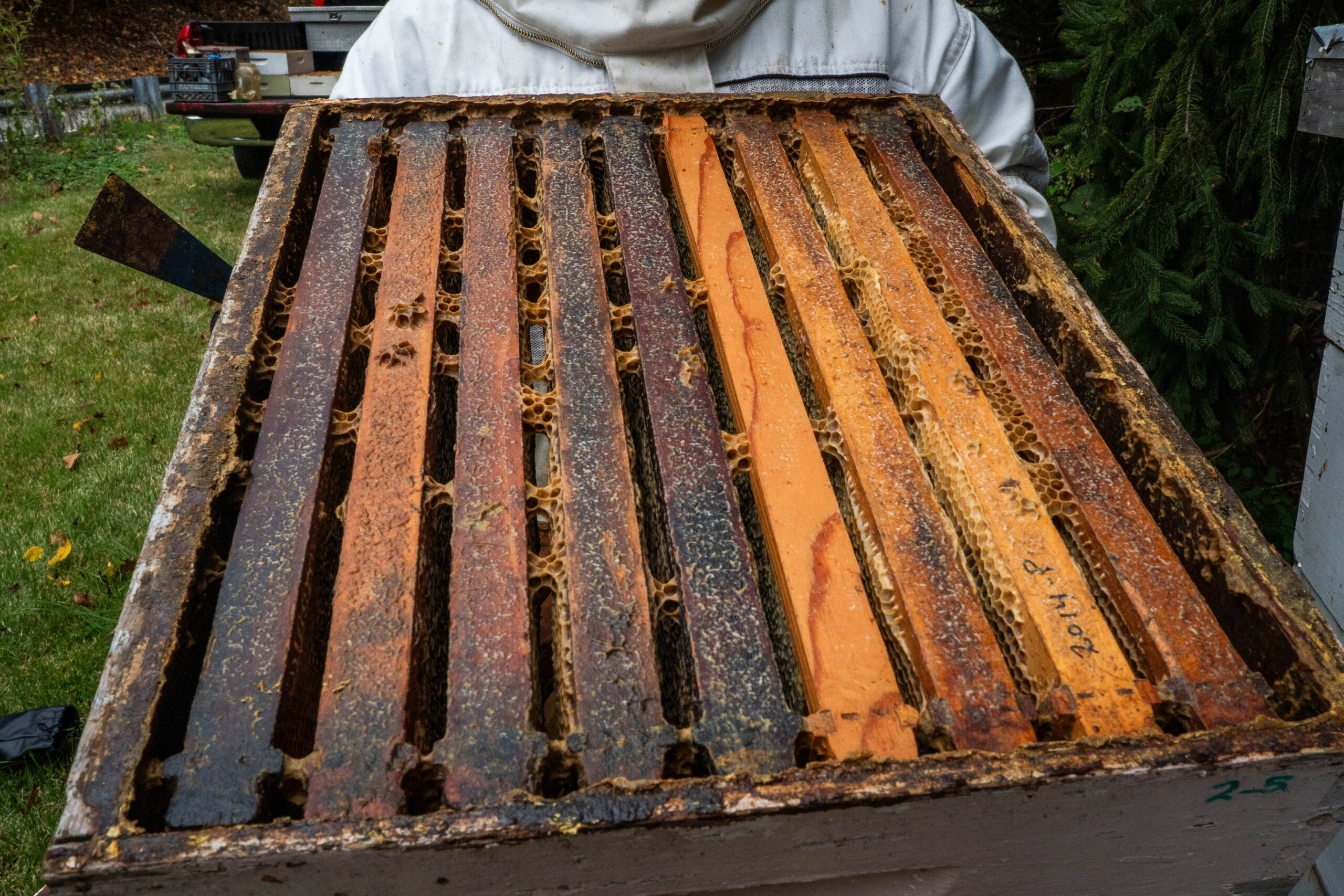
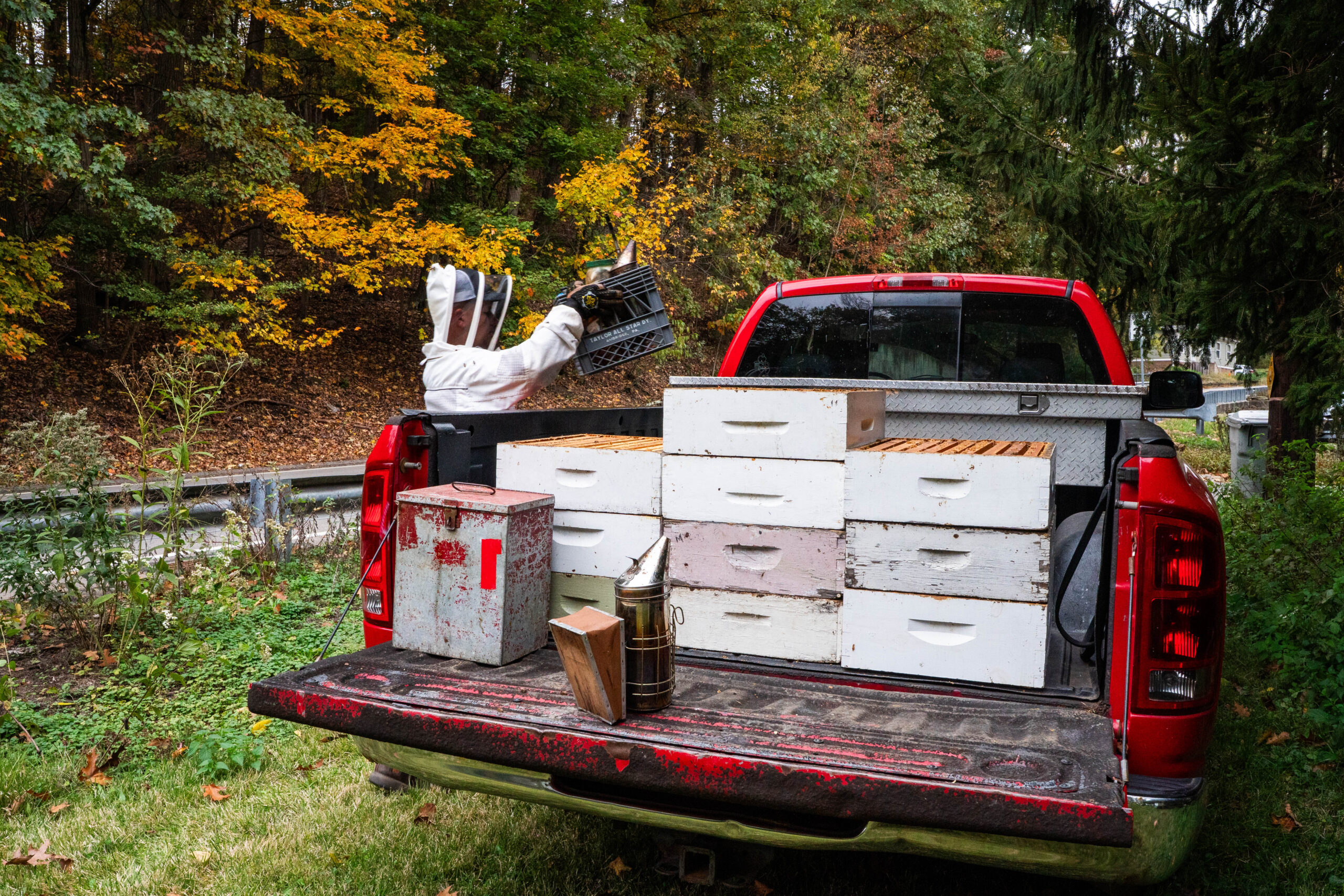
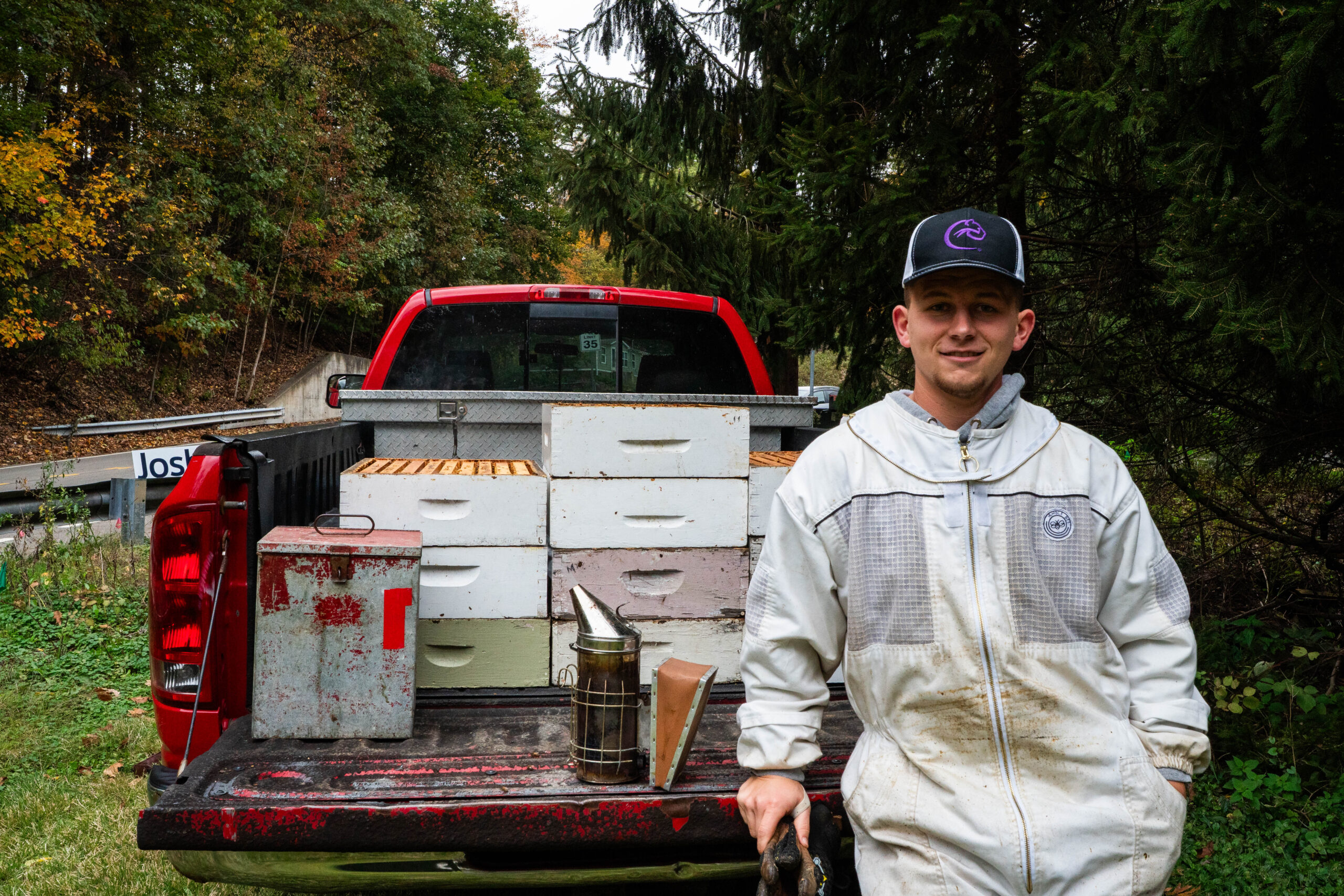
GIBSONIA, Pa. — On a crisp, fall afternoon, beekeeper Anthony Ondo loads white bee boxes into the bed of his bright red pickup truck in Pittsburgh, Pennsylvania. Later, he will extract honey from these bee boxes, a routine he has fallen into as the last days of fall round the corner.
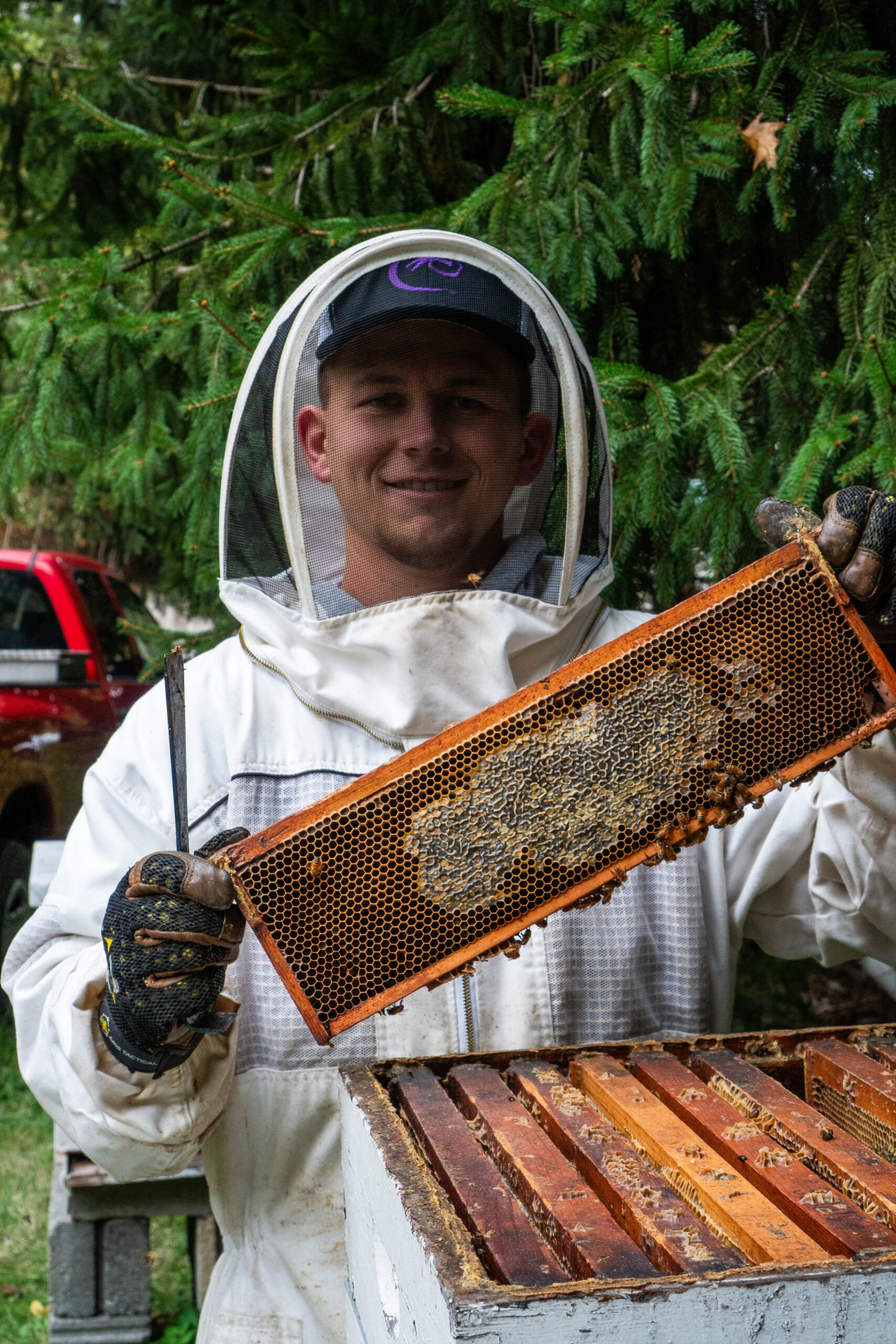
But Ondo isn’t the average beekeeper. At 23 years old, Ondo runs his own beekeeping business, using the money from honey sales to study sustainable business at Chatham University’s Eden Hall Campus.
There, he also leads the school’s apiary program, which provides students with hands-on workshops related to beekeeping.
Juggling both school and his business keeps Ondo occupied, but to him, it’s not work because it’s his passion.
“I like to work, and I think what I’m doing is important. If you do something you love, you never work a day in your life. I feel that way with the bees,” he said.
Ondo beekeeping
Ondo first became involved with beekeeping in the summer of 2021, assisting his friend’s 85-year-old grandfather, Tom Owczarzak. His friend was moving away and didn’t want his grandfather to be working alone.
“It was more so a favor,” Ondo said. “Tom gave me this ratty old suit with holes in it, and I (got) stung in the first 10 seconds. Instantly, though, I fell in love with it.”
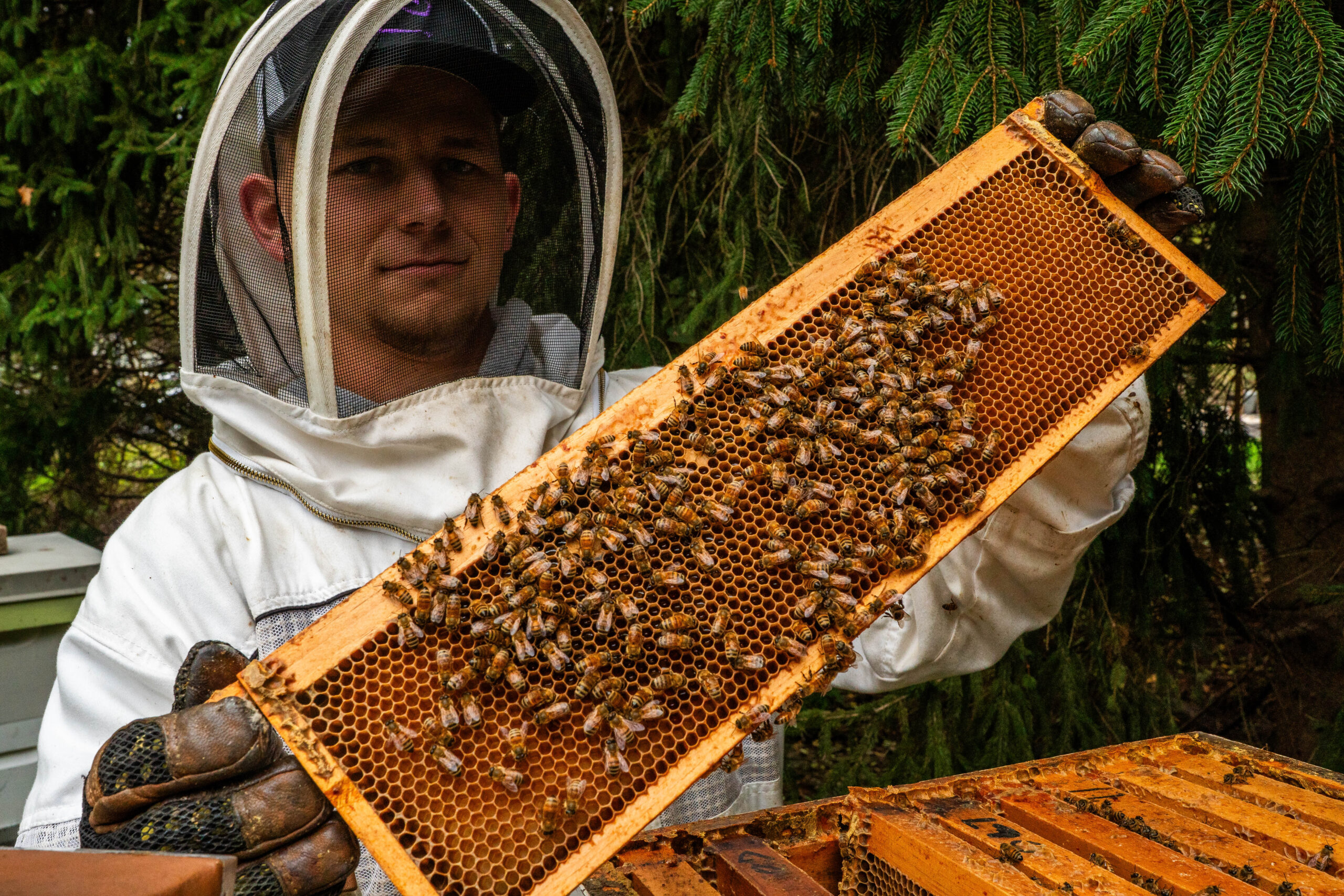
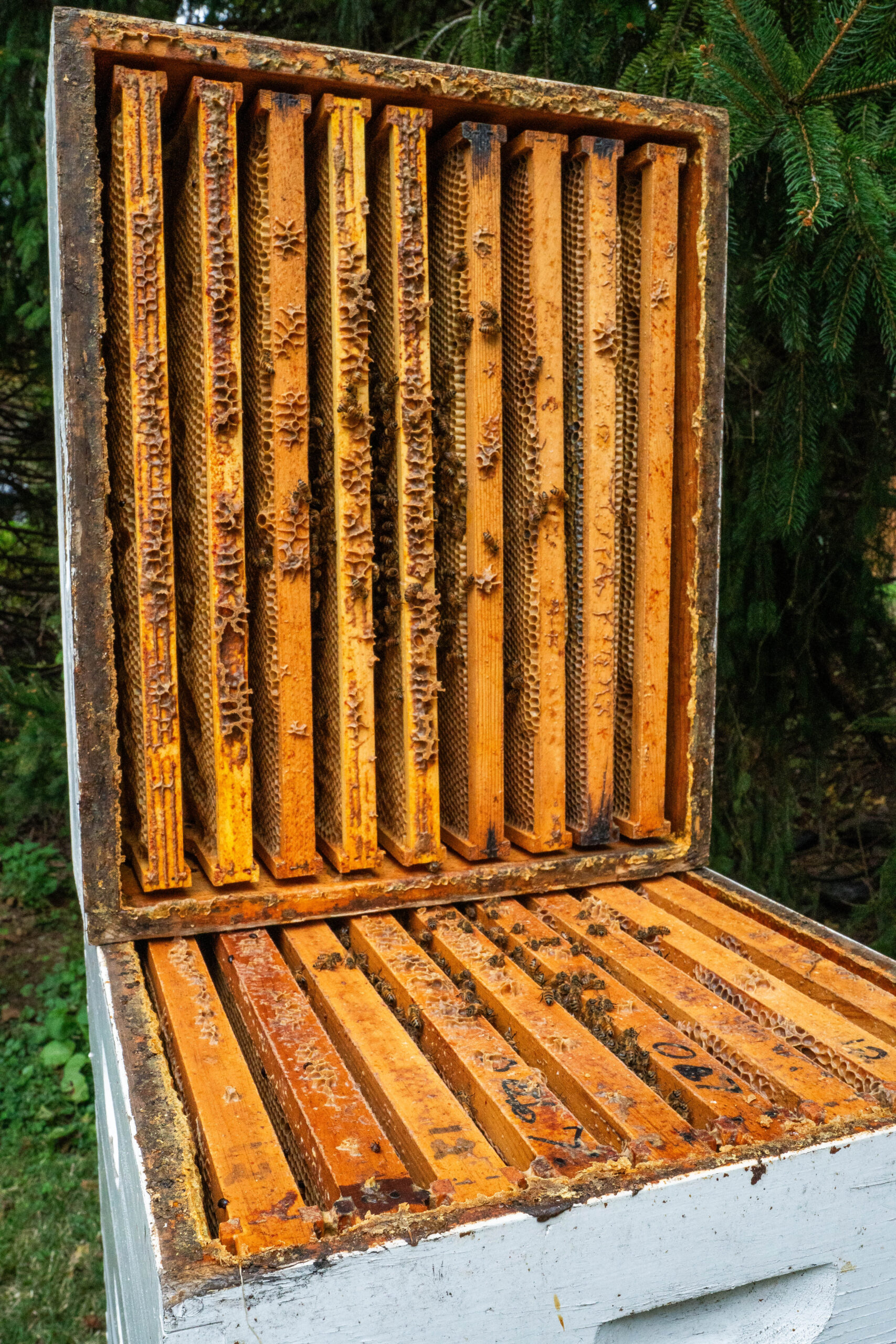
That summer, he gave Ondo two hives, and in the fall, Ondo harvested his first batches of honey. But, after harvest, Ondo realized he had an abundance of honey, more than he knew what to do with it.
He decided to start selling honey to get some extra cash during what was still the fallout of the pandemic. “It was a stressful, odd time, and what better way to disconnect than to just be out with nature?” he said.
In winter 2022, he began knocking on doors and calling property owners to set up more beehives. Since then, he has doubled the number of hives he manages every year. He also partners with Dillner Family Farms in Gibsonia, Pennsylvania, to raise hives and produce honey for them.
Ondo’s honey can be purchased at Dillner Family Farms, S&D Polish Deli in the Strip District and at the Shaler North Hills Library.
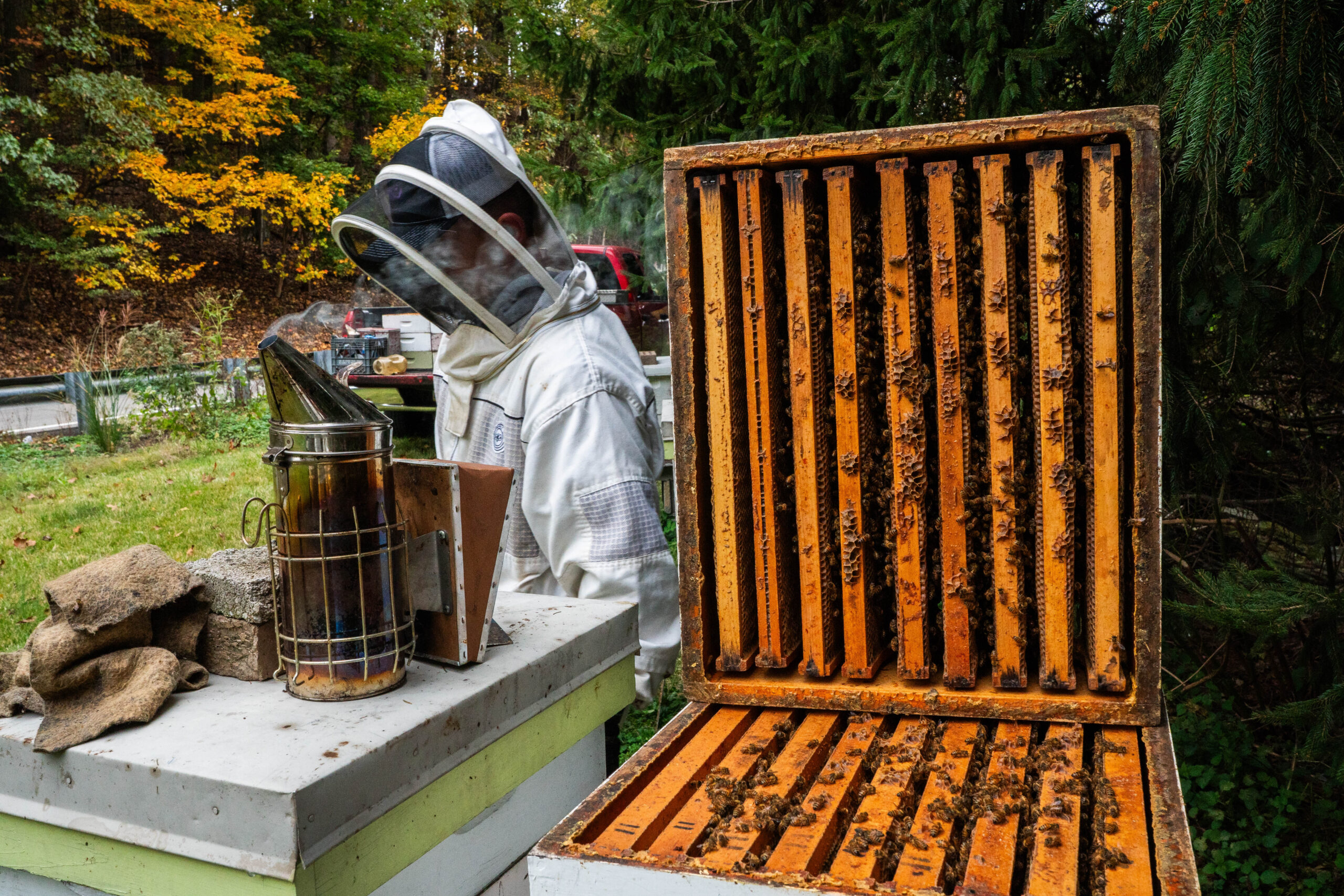
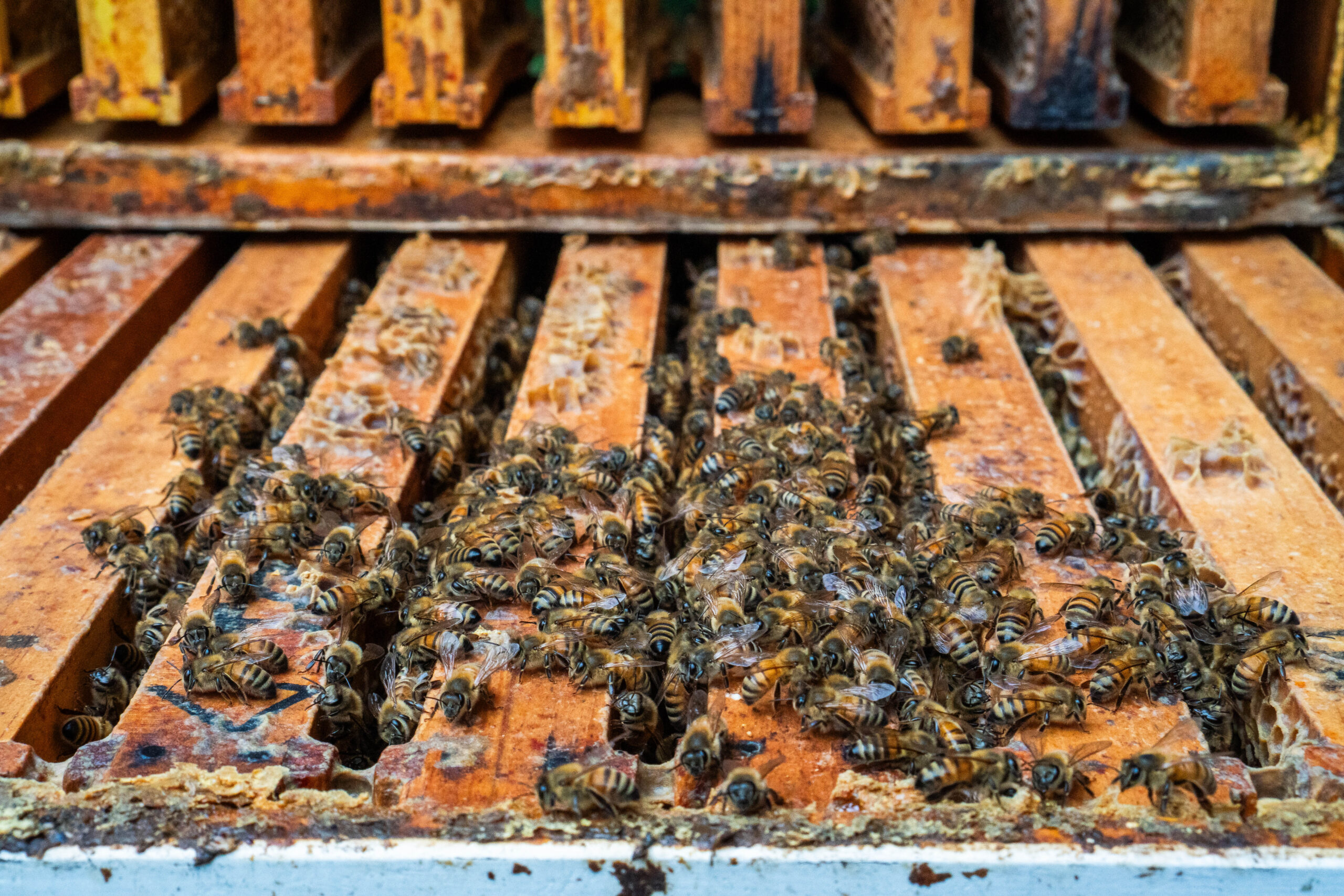
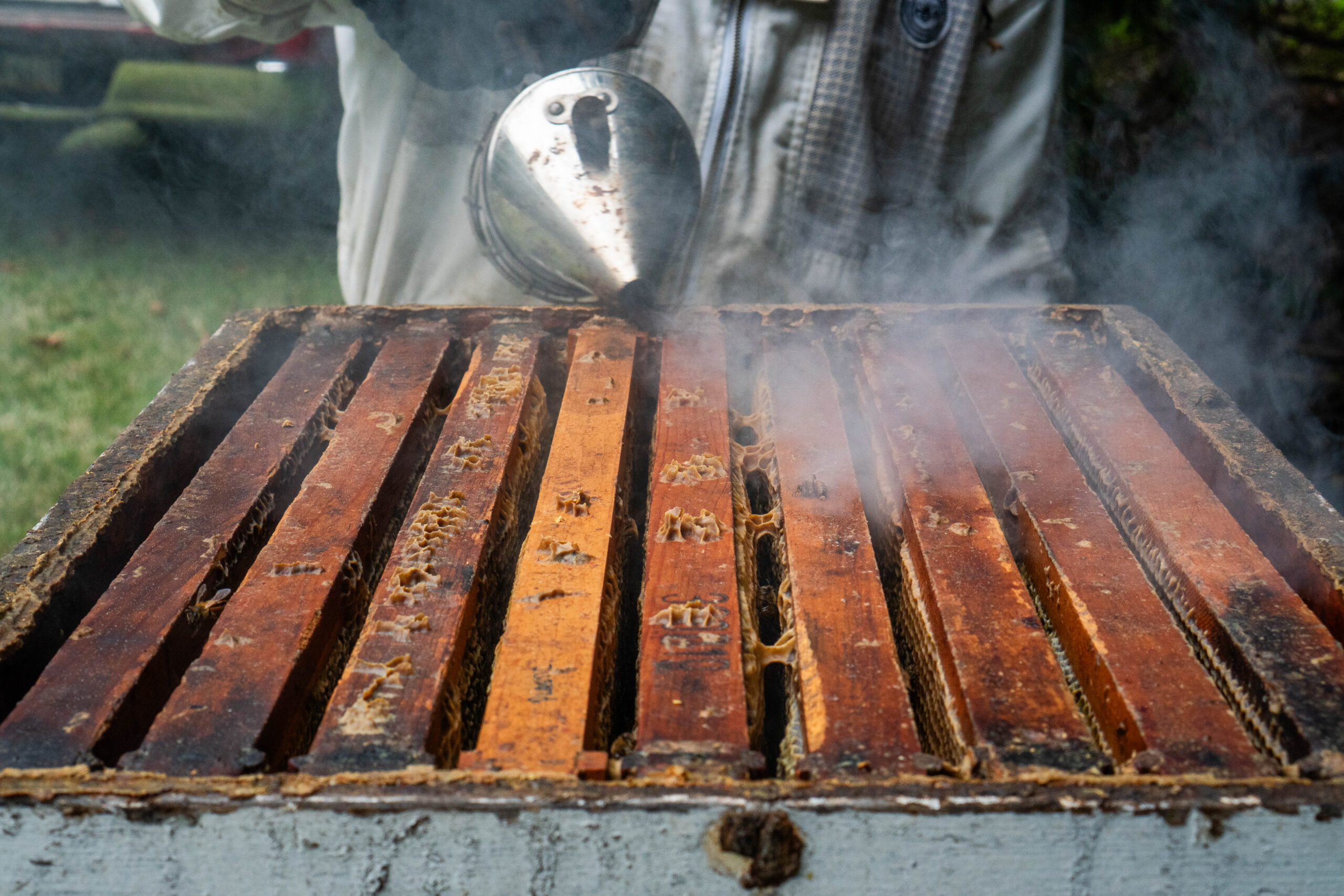
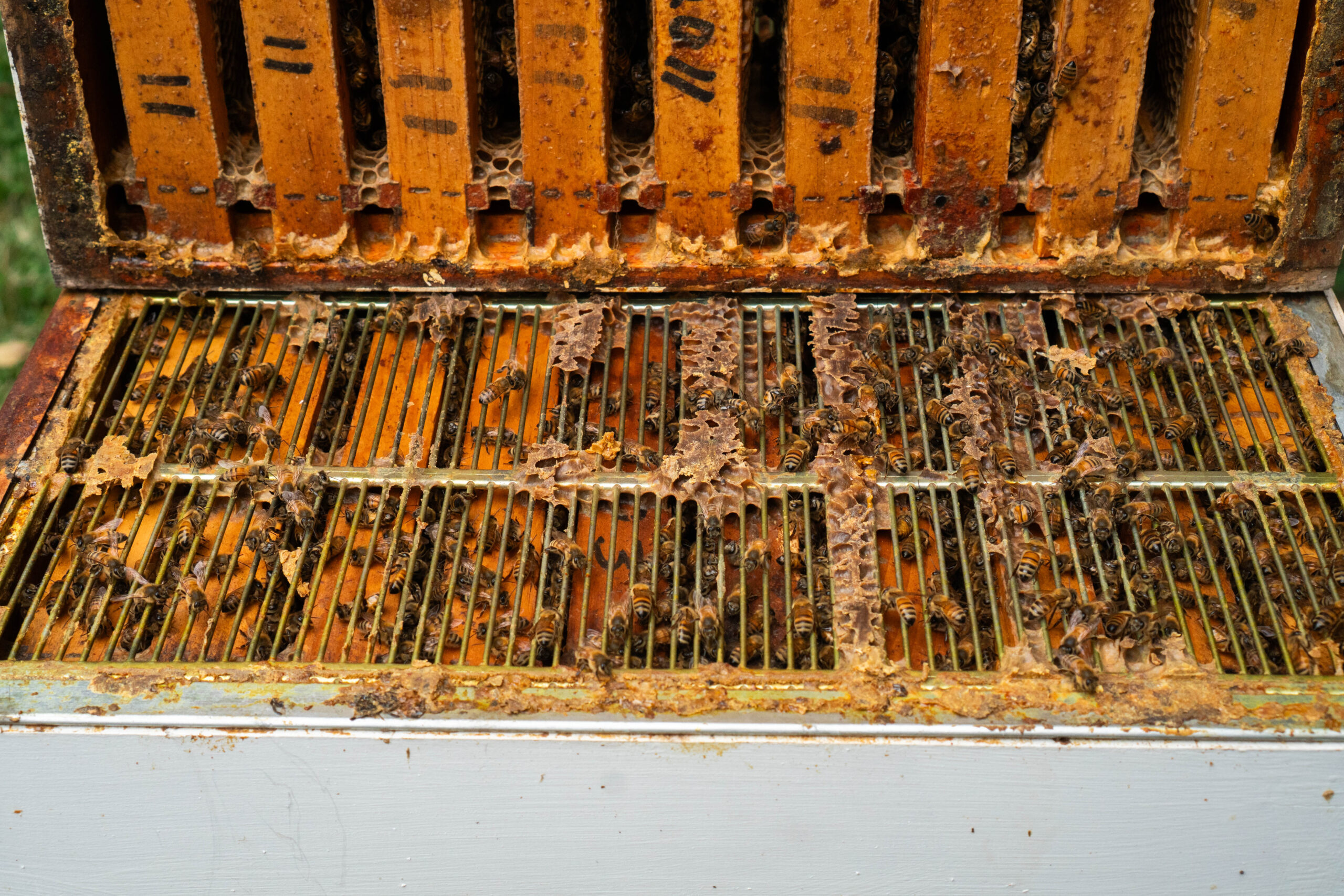
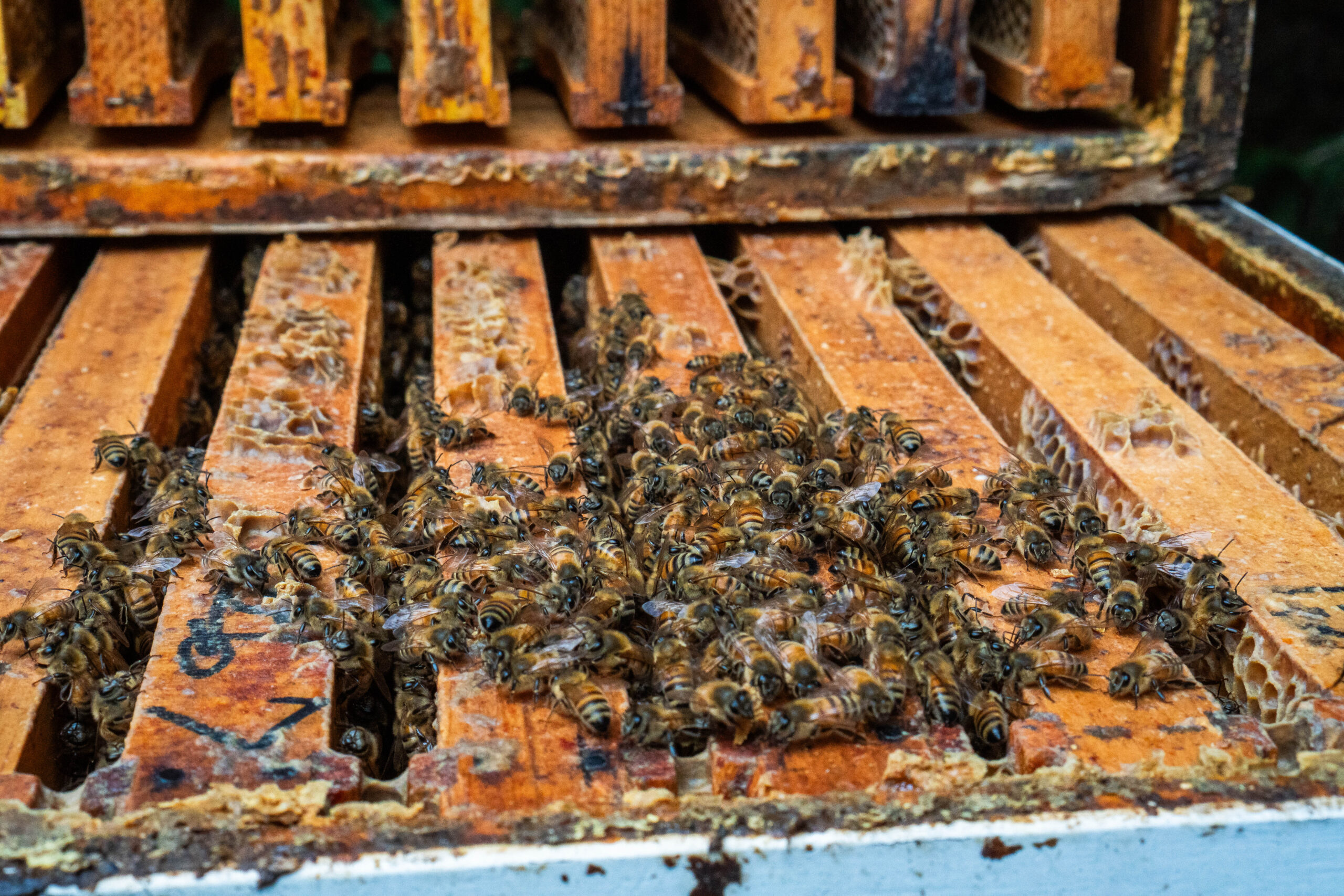
Today, he takes care of and harvests honey from 50 hives from Gibosnia to Blawnox, using the money from his honey sales to pay for his tuition at Chatham University.
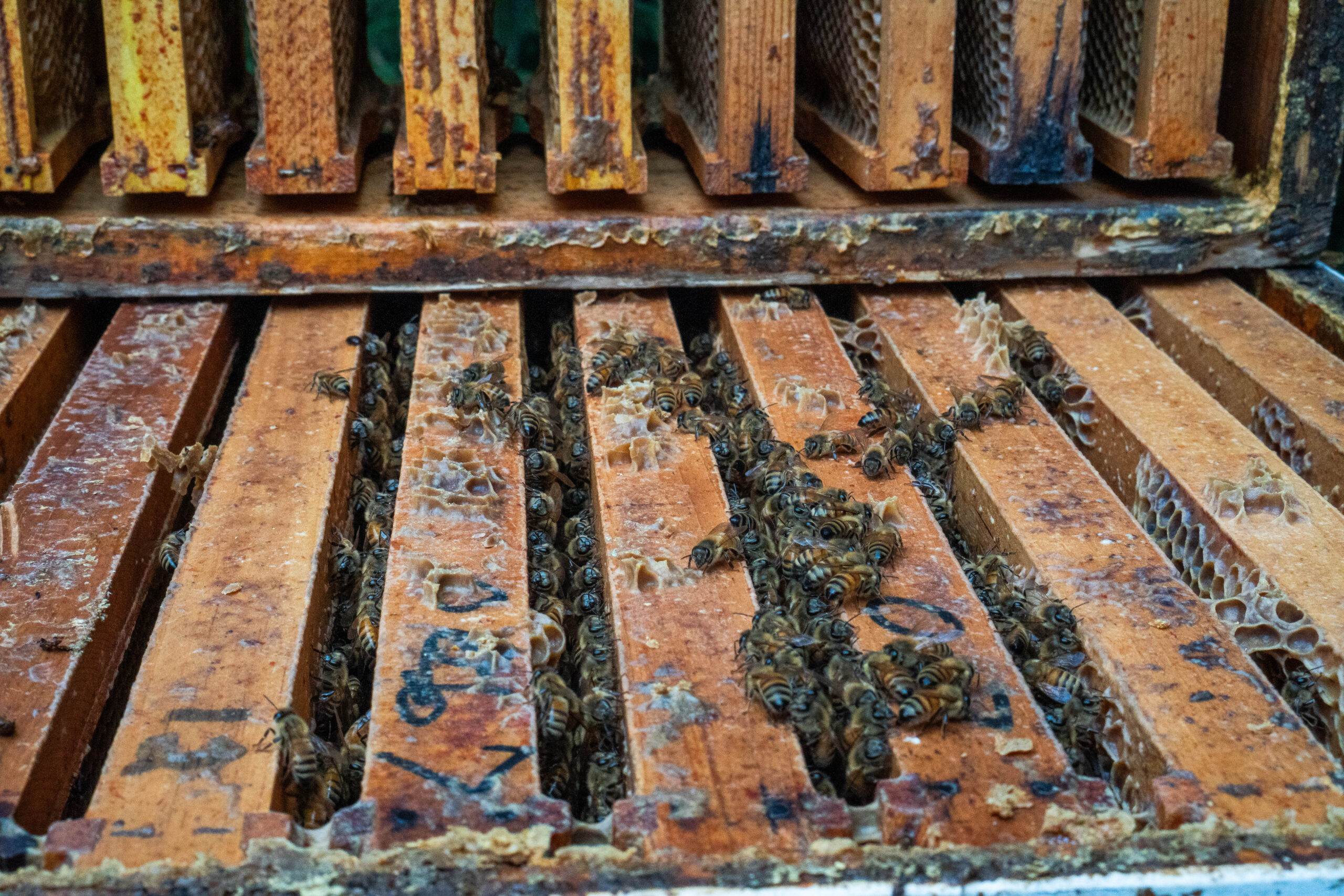
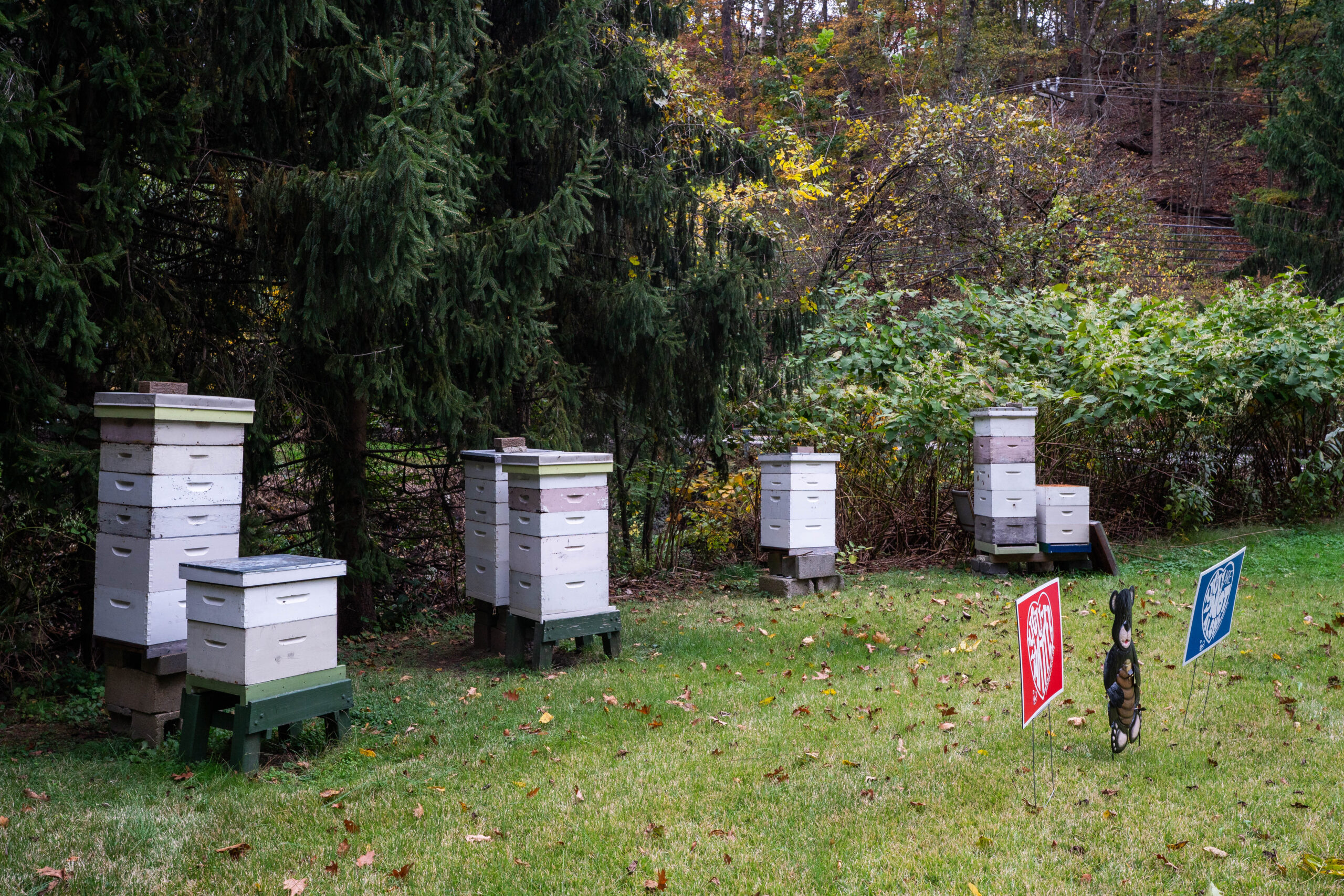
Apiary program
Ondo joined the apiary program during his sophomore year at Chatham. At the time, the current apiary team manager was leaving. Having beekeeping experience already, Ondo was approached for the position.
“I thought this is a great opportunity to do something that I love from an educational side,” he said.
As the apiary team manager, Ondo, now a junior, leads workshops for honey extraction and bottling, chapstick making and more. One of these workshops is seed ball making, where students make balls using native seeds and roll them in the university’s pollinator garden to be dispersed and, eventually, grow to support pollinators.
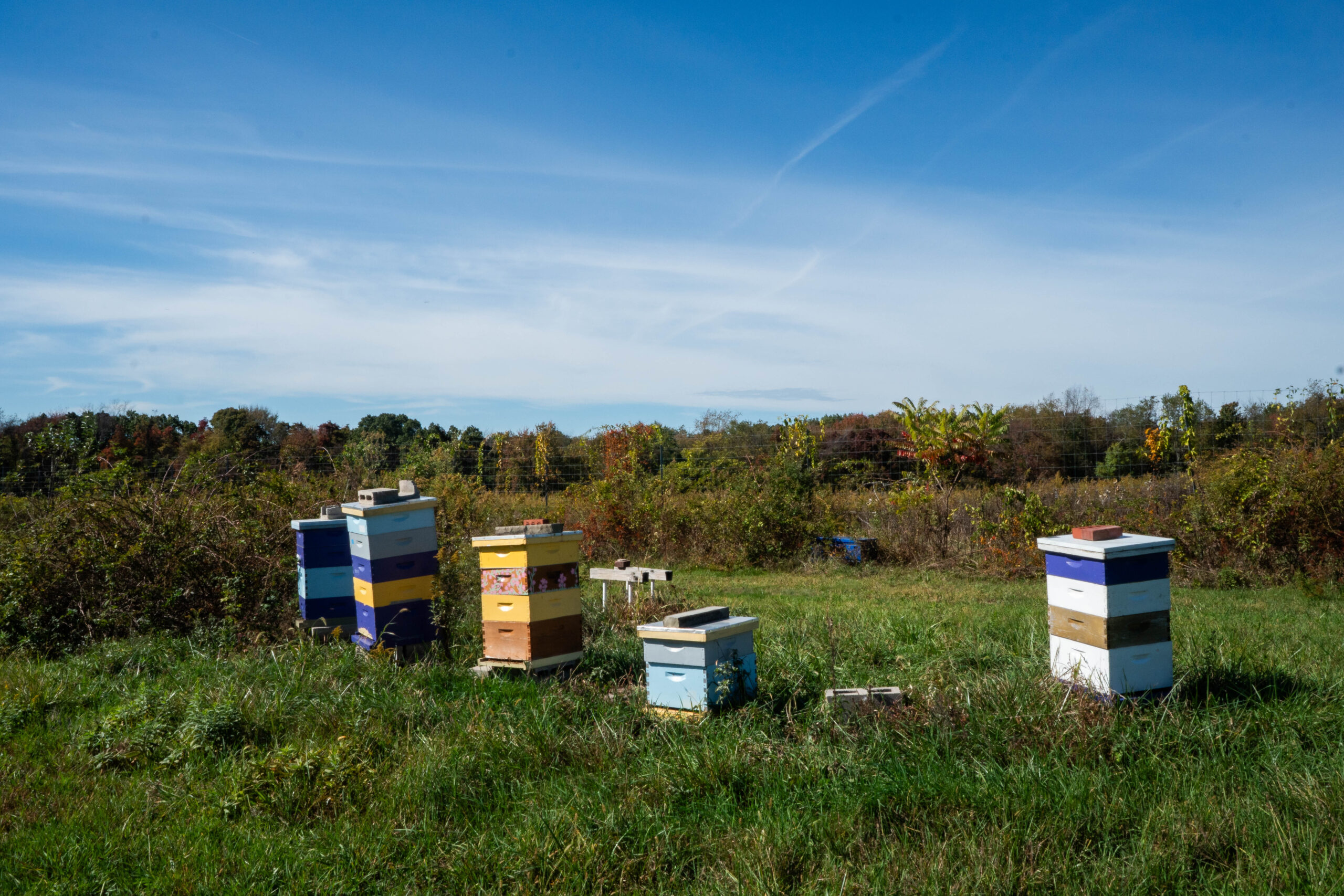
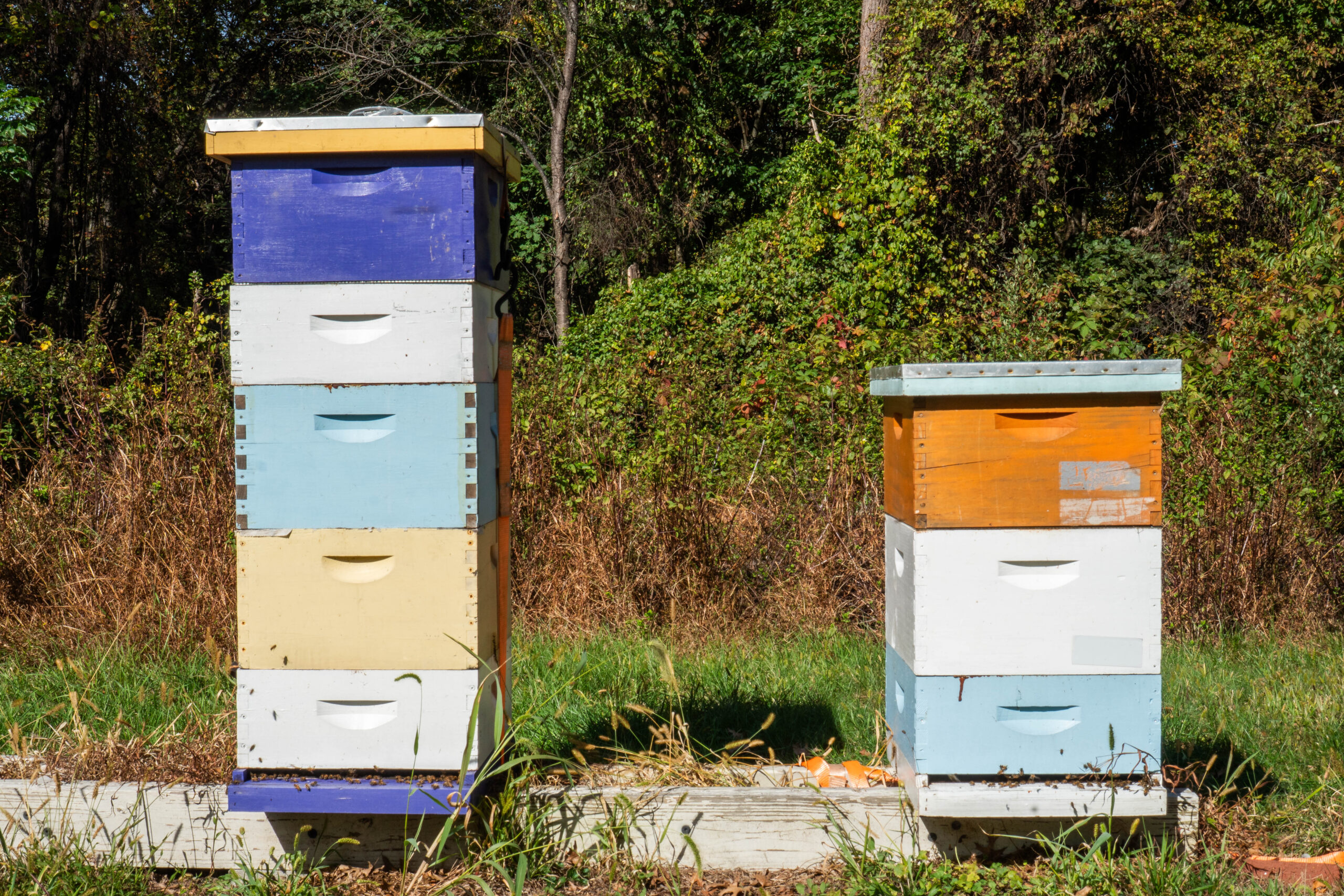
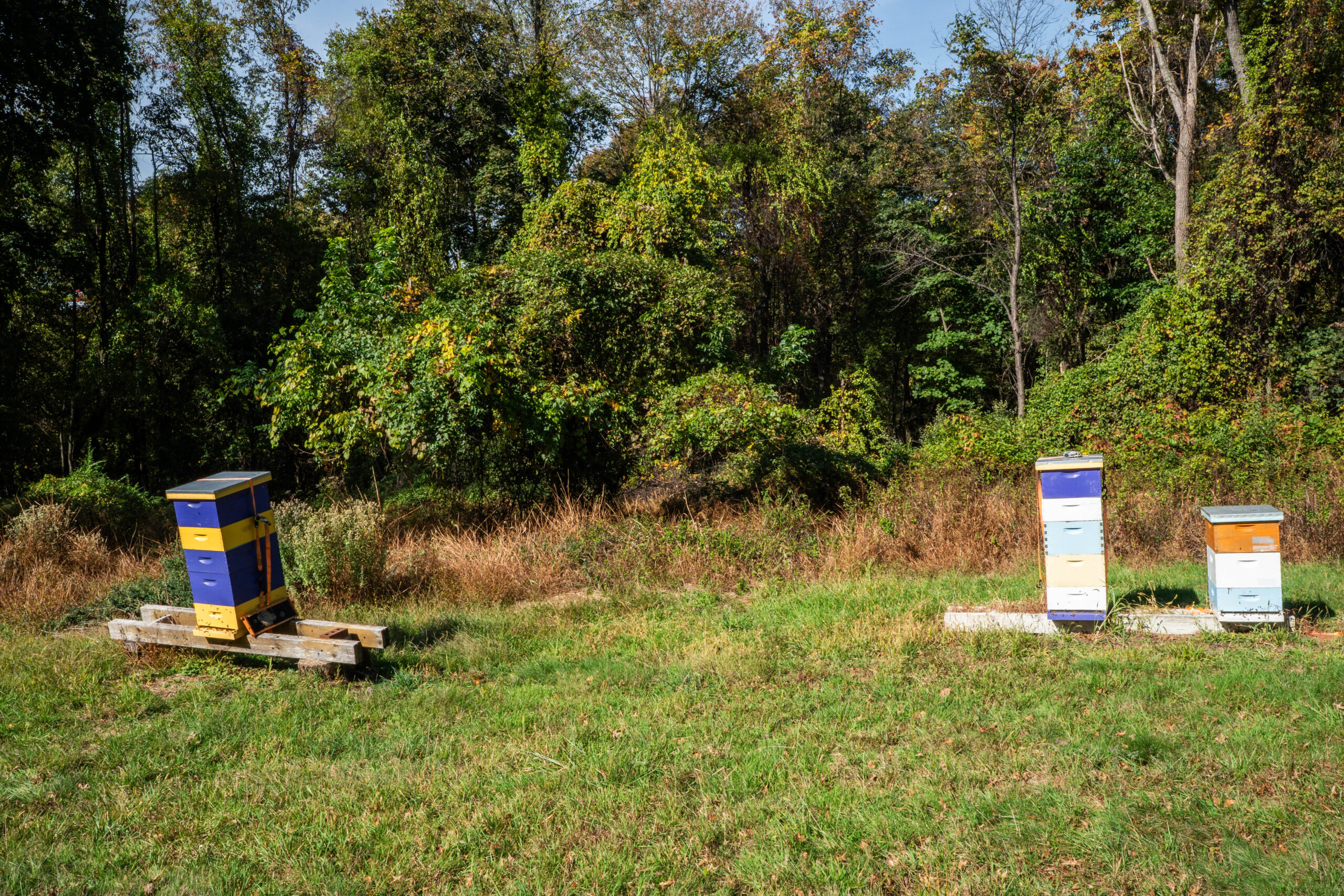
Ondo also teaches students how to manage the 10 to 12 beehives Chatham has on campus for student learning.
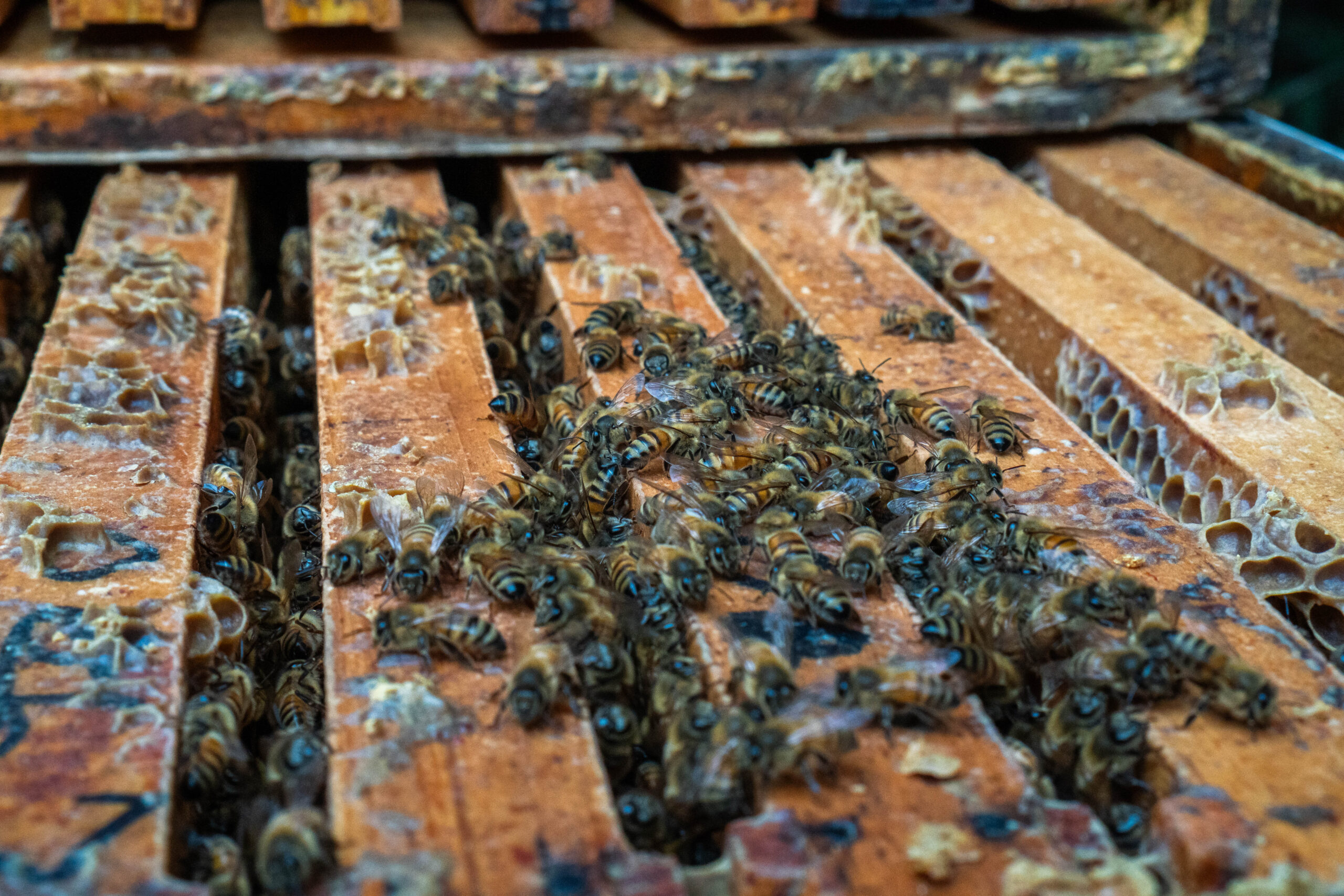
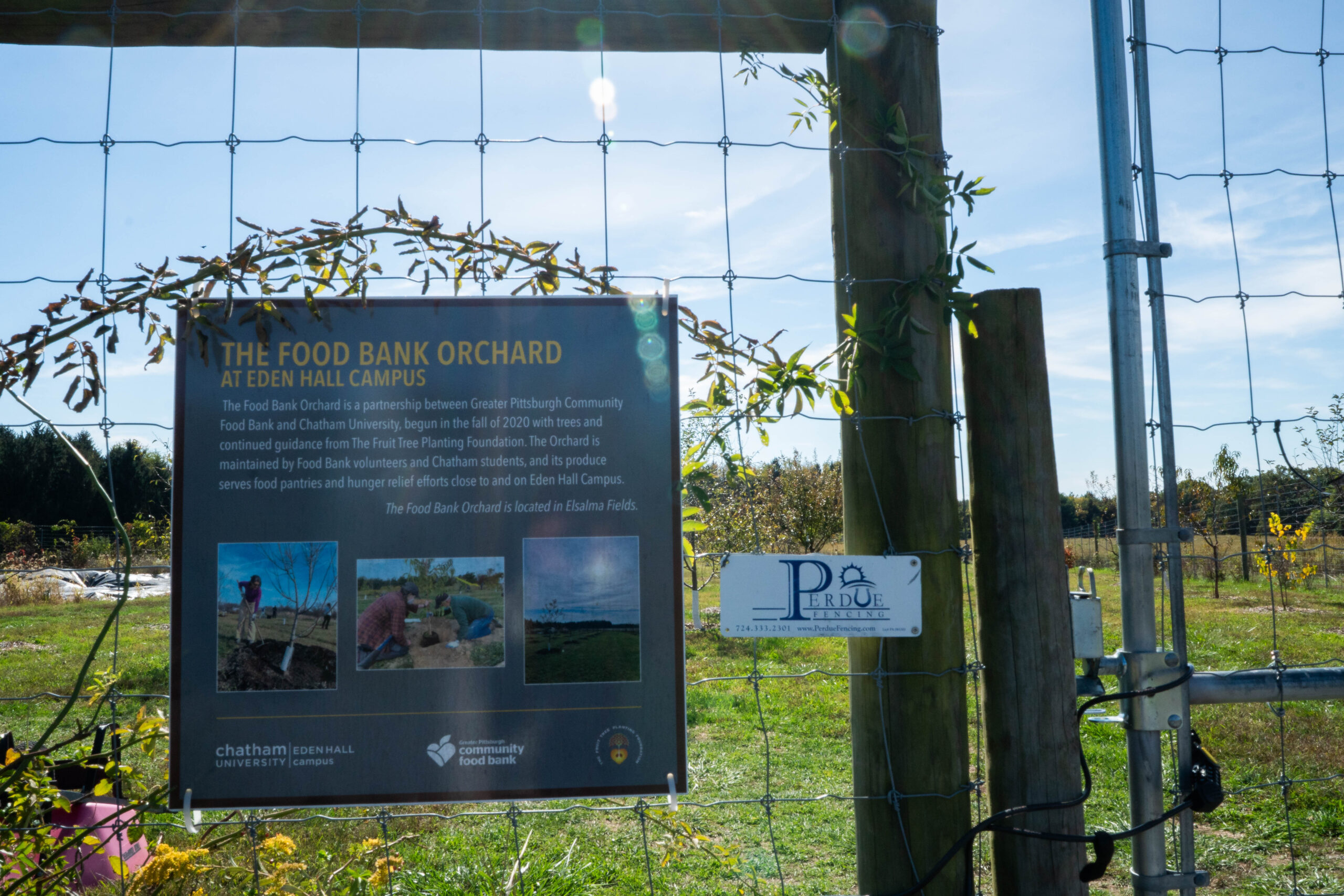
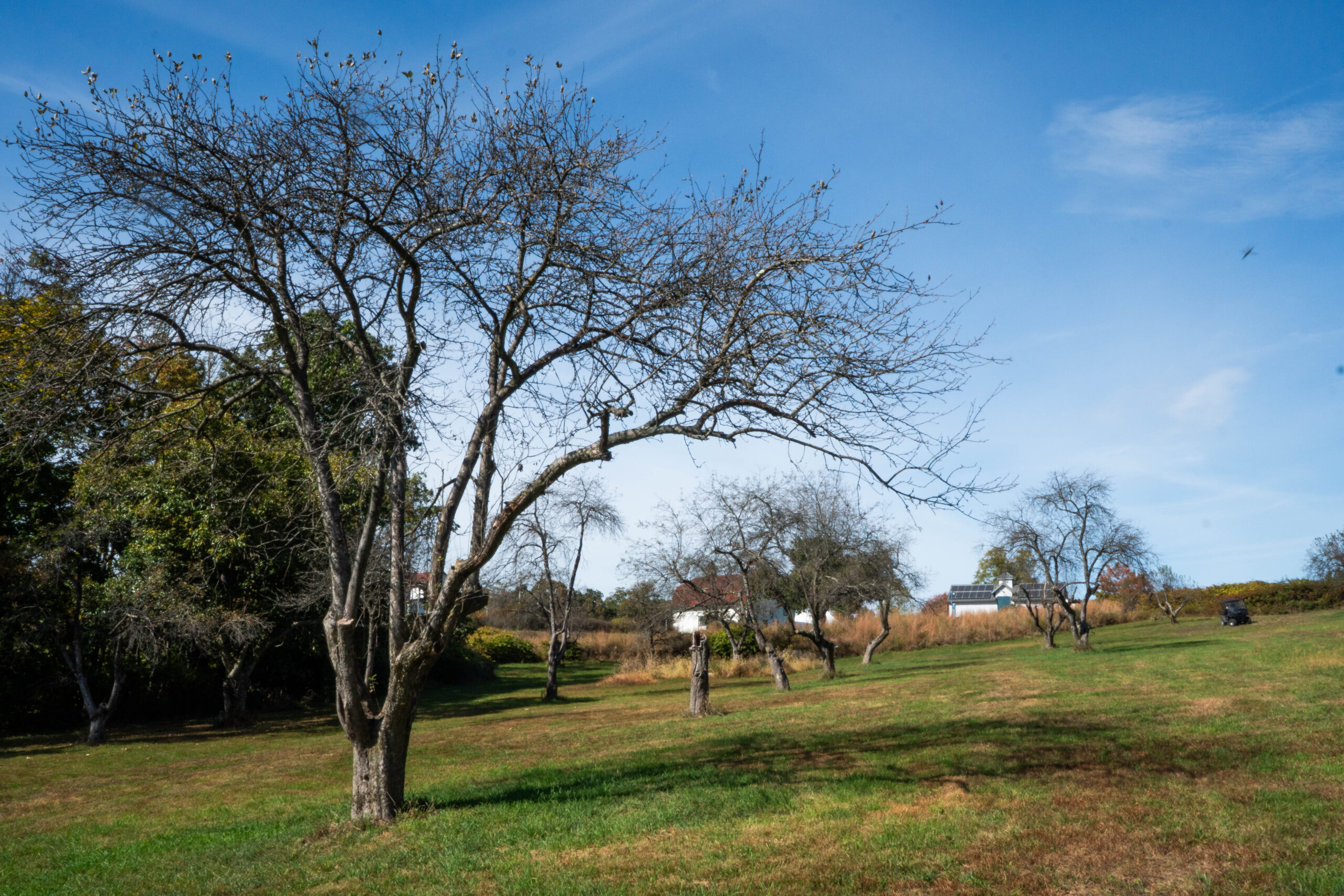
Chatham’s Eden Hall Campus spans 388 acres, consisting of farms, orchards and pollinator gardens. This gives the bees plenty of forage to feed on, says Ondo, from goldenrod and clover to apples and peaches.
Teaching best practices in beekeeping is a cornerstone of the apiary program, especially as bees and other pollinators face ongoing threats every day.
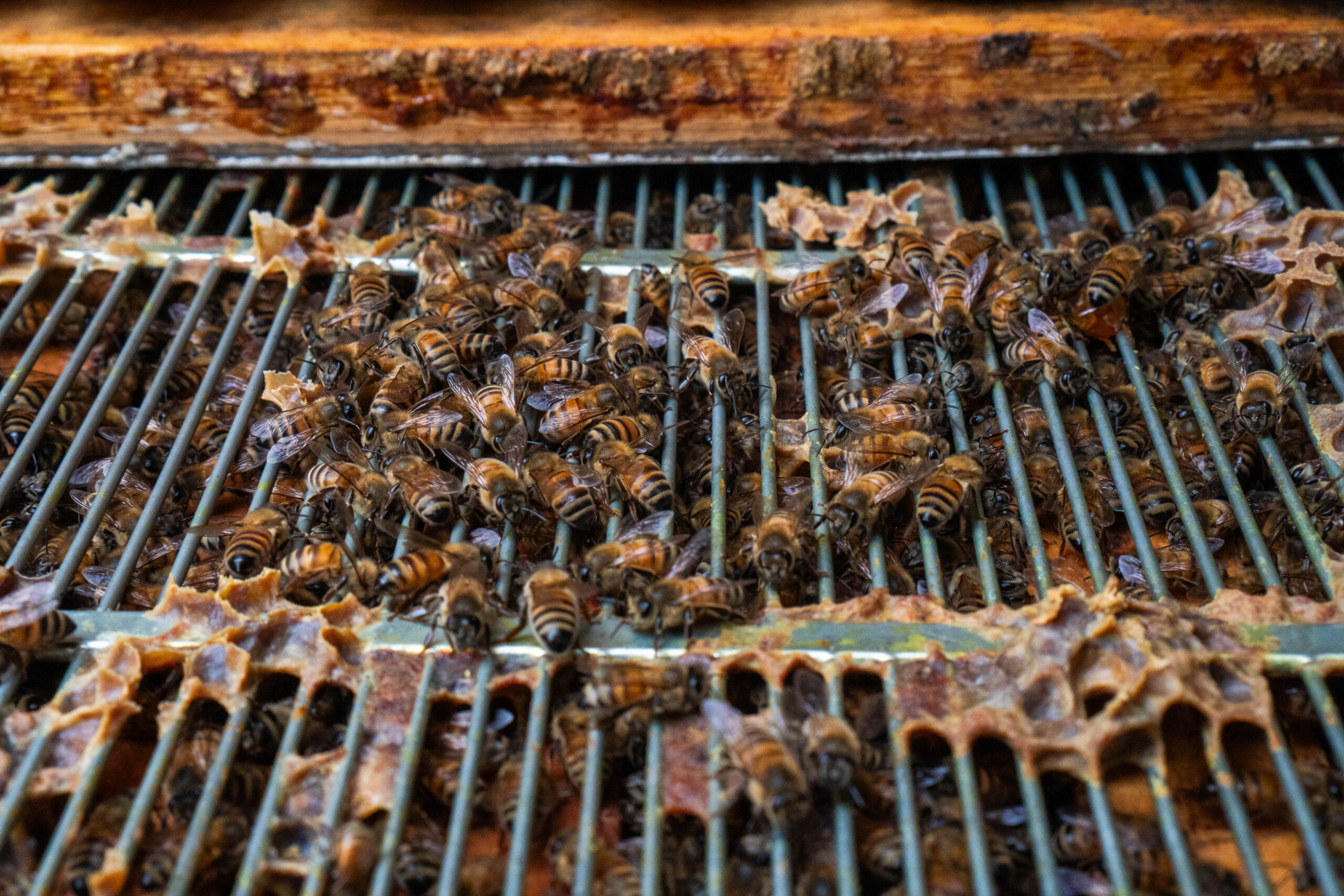
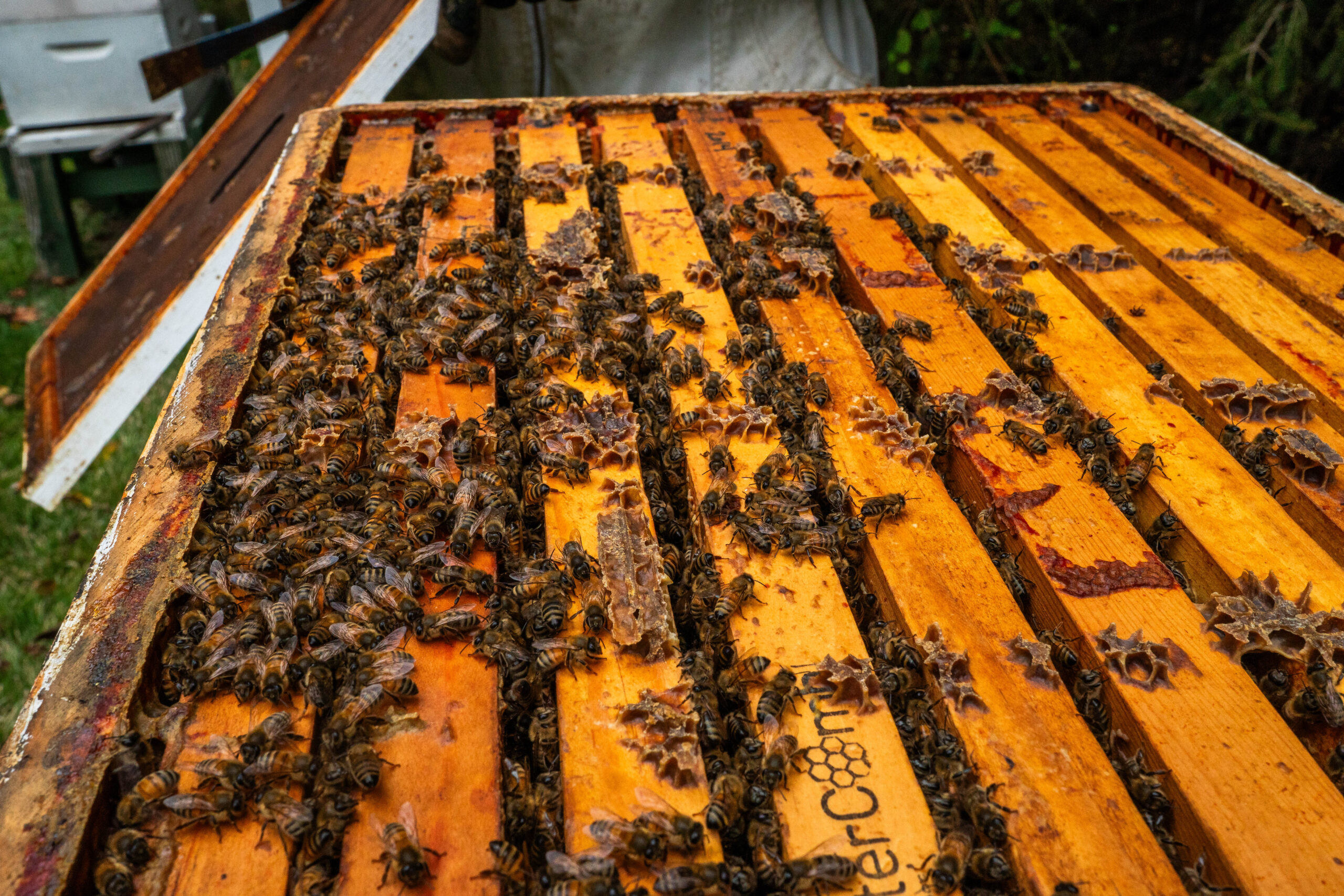
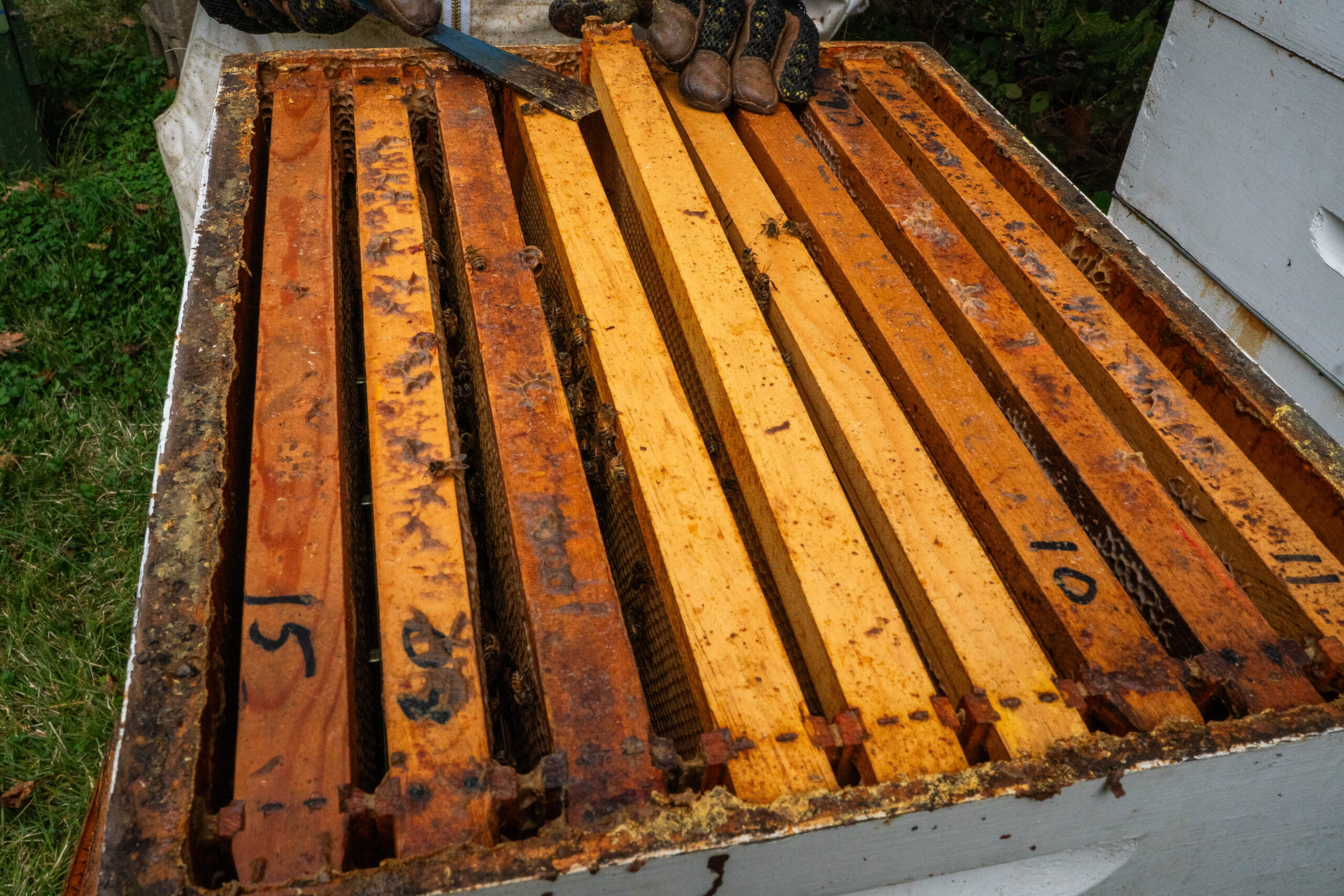
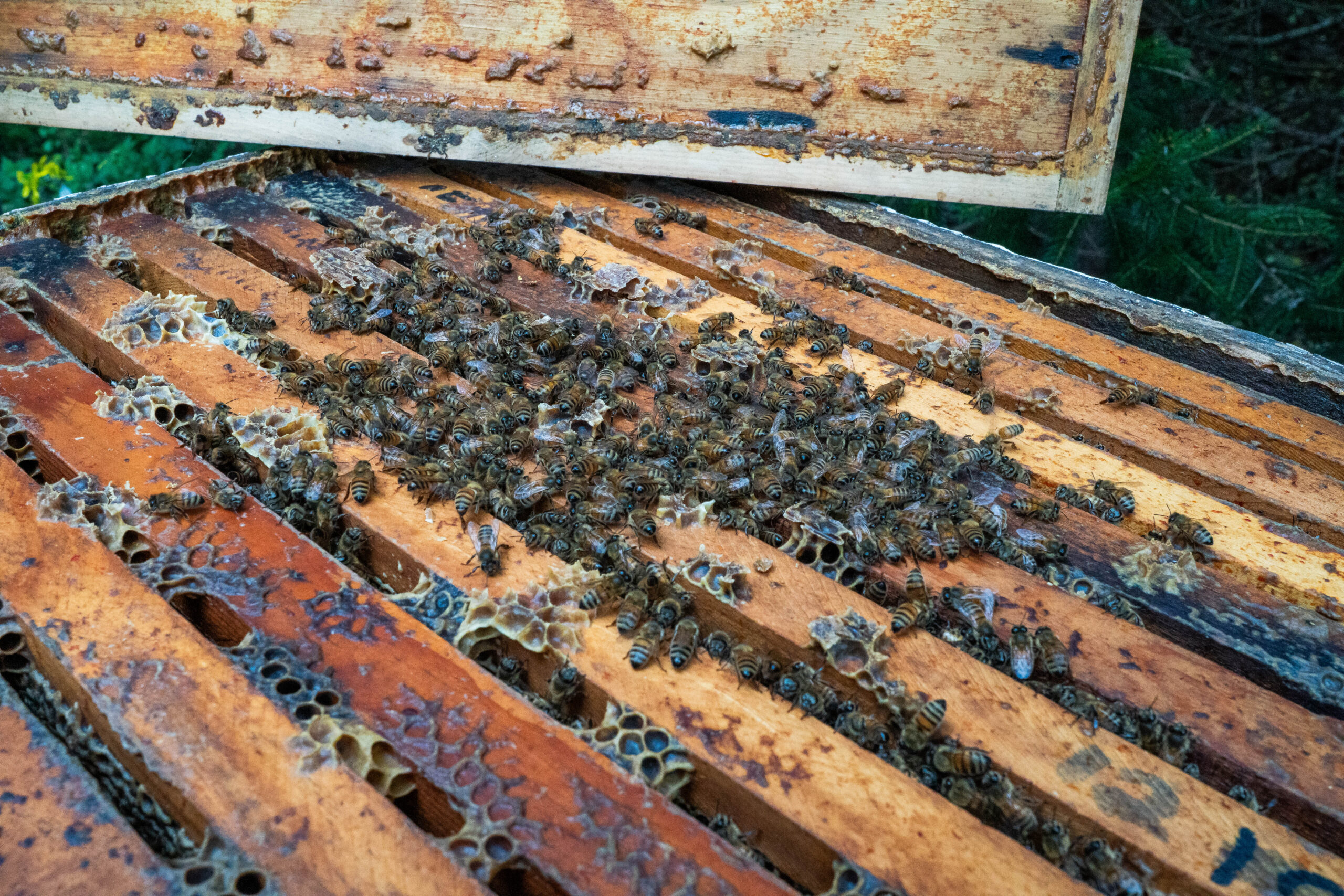
Students regularly check for varroa mites — an invasive parasitic mite that feeds off of bees’ fat bodies and often leads to death. Varroa mites have been an ever-increasing concern for beekeepers. This year, commercial beekeepers lost 60% of their bee colonies from last summer, mainly due to varroa mites.
Other best practices students learn include leaving enough honey for the bees to feed off of through winter and combining weaker hives to ensure their survival. Ondo says it’s important to read each hive to manage them properly.
“Each hive is different. One hive right next to another one could have two completely different issues. One could have a high mite count that we want to treat. The other might be really resistant,” Ondo said.
The university sells the honey from its hives at the Campus Gear Shop and at pop-up events.
Selling the honey gives students a chance to learn entrepreneurial skills too, says Emily Heffernan, dean of Chatham University’s Falk School of Sustainability. Each year, students get to design the label for the honey and market the product.
Chatham University Eden Hall
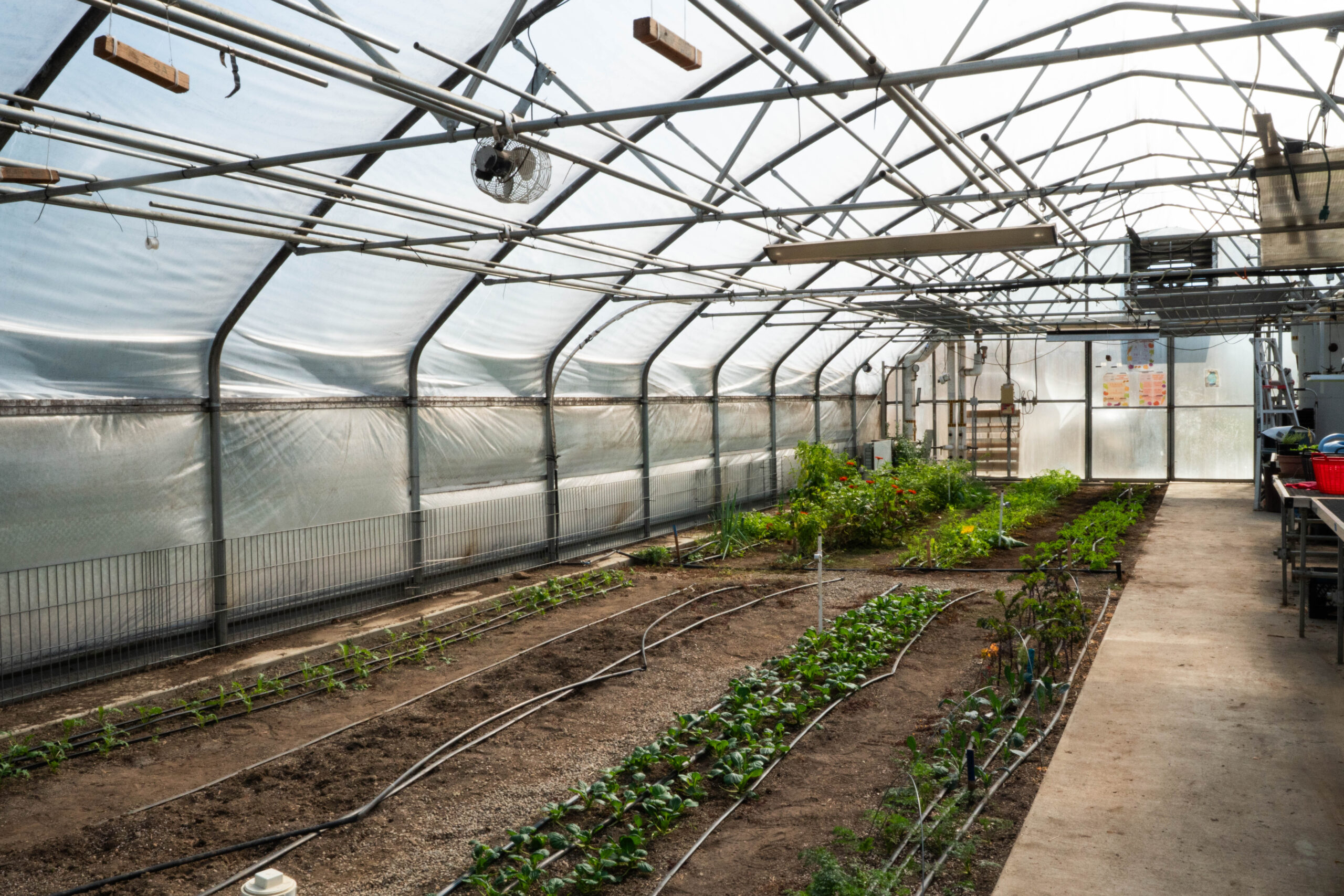
Pollinators are central to many of Chatham University’s hands-on agricultural programs, from the campus farm and solar high tunnel to its orchards and pollinator gardens.
Students learn how bees support crops like tomatoes, apples and peaches, and much of the produce grown on campus is used in Chatham’s dining halls or donated to Pittsburgh-area food banks.
“What other college students can say they’re eating fresh-grown produce in their everyday meals?” Ondo said.
For Ondo, these hands-on programs make Eden Hall the perfect place to study and teach students while running his own business.
“Our students learn things that you can’t learn by watching YouTube clips or something else,” Heffernan said.
“The best way for humans to learn is by teaching each other and by learning by doing, and what better environment to do that than this landscape, where we’re surrounded by natural beauty and a variety of different ecosystems.”
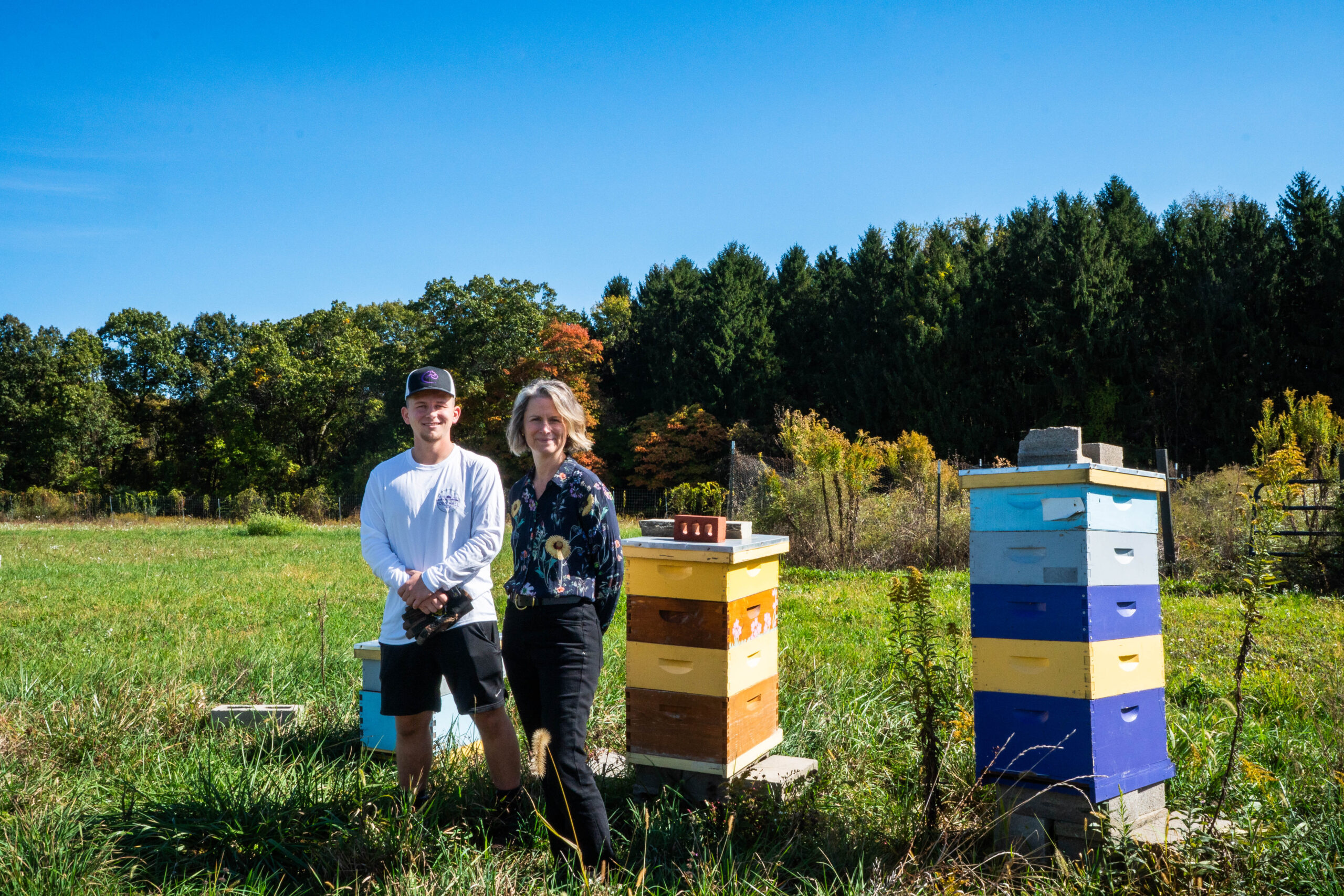
Heffernan hopes the agriculture education at Chatham will inspire the next generation of environmental stewards. For Ondo, this is already true.
The campus has become a place where Ondo continues to deepen his beekeeping skills while helping other students gain confidence in theirs through hands-on experiences. As he finishes his degree, he plans on continuing his beekeeping business and hopes to stay involved at the university.
Heffernan says Ondo is the perfect example of someone who pursues their passion while making a difference, which is the goal of Chatham’s agriculture education program.
“You can do what you love and make a great living at it as well, and be a difference maker, a change maker in the future, and help promote a beautiful ecosystem where we can all live,” she said.
(Liz Partsch can be reached at epartsch@farmanddairy.com or 330-337-3419.)




