

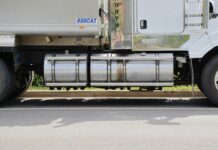



SALEM, Ohio — The Environmental Protection Agency issued new guidance Aug. 14 to address problems with diesel exhaust fluid systems that can cause newer model heavy-duty vehicles to suddenly lose power or slow down, relieving a headache for farmers, truckers and other diesel equipment operators.
Starting in 2027, manufacturers will be expected to produce engines that implement a gradual reduction of power to the vehicle when they run low on DEF, giving drivers more time to address low levels without bringing on sudden shutdowns.
Diesel exhaust fluid systems are intended to reduce harmful nitrogen oxide emissions.
EPA Administrator Lee Zeldin, who announced the change at the Iowa State Fair, said the change will also require manufacturers to help fix the issue in trucks and equipment already on the road that suffer performance issues when their emissions systems fail.
In the announcement for the change, the EPA highlighted a chorus of support from industry leaders who said DEF system failures can stall planting and harvest while truckers are often left with expensive downtime and towing bills when their vehicles suddenly lose power. Trucking and bus industry leaders said the updated rules will prevent safety risks, reduce breakdowns and keep goods and passengers moving.
Agriculture Secretary Brooke Rollins called the announcement “a big deal” for farmers already struggling with higher costs and trade challenges.
Industry organizations, including the American Farm Bureau Federation, American Trucking Associations, Owner-Operator Independent Drivers Association and others, praised the EPA for what they described as a “common-sense” fix that balances environmental standards with operational realities. DEF issues cause delays “that could be the difference between getting a crop harvested or animals to their destination,” said AFBF President Zippy Duvall. “EPA’s decision to grant a grace period to make repairs or refill DEF is the right thing to do. It keeps commerce moving and farmers in the field.”
U.S. Small Business Administrator Kelly Loeffler estimated the new guidance could save farmers and small businesses more than $700 million each year.
Environmental groups have so far been mum about the new DEF guidance, but many strongly oppose the larger trend of deregulation it’s a part of under the Trump administration.
On July 29, the EPA announced plans to roll back its 2009 “endangerment finding,” a ruling that determined carbon dioxide and other greenhouse gases pose a danger to public health and welfare. That finding has been the bedrock of climate policy under the Clean Air Act, forming the basis for emissions regulations on vehicles, power plants and other major sources of pollution driving global warming.
The rollback must still go through a lengthy review process, including public comment, before it is enacted. It could take effect next year. Environmental groups are already preparing to fight the proposal in court.
The SBA’s Loeffler claimed the move would eliminate “burdensome regulations and save small businesses at least $170 billion.”





Goodbye DEF sales finally.