





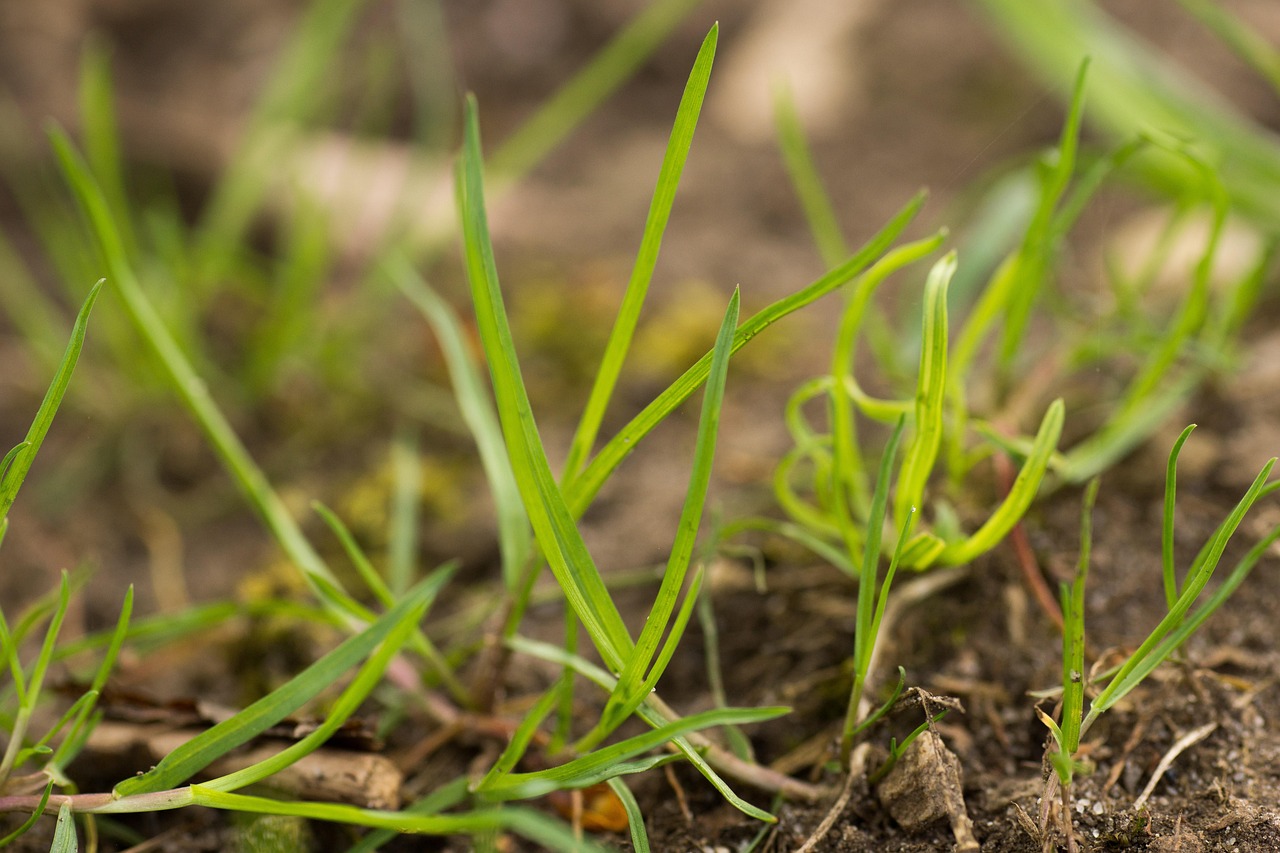
One common question we receive at the soil and water office begins with, “What’s the best grass seed to plant?”
The answer is always the same: It depends on what you want the land to do. I was reminded of just how complicated that question can be recently when I stopped at my local store to purchase some grass seed. I found myself standing in front of all the different bags, varieties and seed mixtures and feeling a little overwhelmed. There were so many choices!
It made me realize that if someone who works in conservation can feel overwhelmed, imagine how confusing it can be for someone who has never purchased grass seed before. And grass seed isn’t cheap! That’s why it pays to do your homework before heading to the store
Germination rate
Know what you’re trying to establish, understand which grasses are appropriate for your situation and take a few minutes to look at the information on the seed label. One thing to pay particular attention to is the germination rate. Germination rate is the percentage of seeds from a specific batch or package that are expected to sprout and grow under ideal conditions.
When shopping for grass seed, look for a germination rate of 80% or higher. A higher germination rate generally means you’re getting more viable seed for your money. Remember, however, that even a high germination rate doesn’t guarantee success if the seed is planted at the wrong time, in poor soil conditions or without adequate moisture.
A little knowledge before you shop can help you become a much smarter shopper and prevent you from spending money on seed that isn’t suited to your needs.
Pasture vs. lawn
Ohio pastures and lawns have very different jobs. A lawn is generally planted for appearance, recreation and durability. Turfgrasses such as Kentucky bluegrass, perennial ryegrass and turf-type tall fescue are selected because they tolerate mowing and foot traffic while providing a relatively uniform appearance.
Pastures, however, are working landscapes. Their purpose is to provide nutritious forage for livestock while protecting the soil. Ohio pasture mixes may include orchardgrass, timothy, tall fescue varieties (endophyte-free) and ryegrass. Legumes such as white clover, red clover, birdsfoot trefoil and alfalfa can also play an important role. Legumes can improve forage quality while fixing nitrogen, helping reduce the need for additional nitrogen fertilizer.
Choosing the right seed is only the beginning. Pastures should not be managed like lawns. Frequent, short mowing or continuous overgrazing can weaken plants, reduce root growth and leave soil vulnerable to erosion. Proper grazing management and allowing plants adequate time to recover are important parts of maintaining a healthy pasture.
Lawns are changing
Our thinking about lawns is changing, too. More homeowners are creating pollinator-friendly areas within their traditional lawns by adding native wildflowers, flowering shrubs and native grasses. These intentional habitat areas can provide food and shelter for bees, butterflies, birds and other wildlife while reducing mowing and adding diversity to the landscape.
A lawn doesn’t have to be completely converted into a wildflower meadow to make a difference. Even a small portion of a yard can provide valuable habitat. A well-planned pollinator area can add beauty to a landscape while also providing an important conservation benefit. Whether you’re planting a pasture, establishing a new lawn or creating a pollinator garden, the lesson is the same: choose the right plants for the right purpose.
Now is the time
If you’re thinking about planting grass, now is the time to start planning! In Ohio, one of the best times to plant grass seed is generally late summer to early fall, from mid-August through mid-October. During this window, warm soil helps seeds germinate quickly, cooler air helps prevent young seedlings from drying out, and weed growth begins to slow down. We are thrilled to see soil being protected and covered, so please seed away.
But before you grab the first bag of grass seed that catches your eye, stop and ask yourself: What do I want this land to do? Do your homework, know what you’re looking for and check that seed label. A little preparation before you shop can save money, improve your results and, ultimately, help you become a better steward of the land.
If you want to learn more and see some different types of these grasses and legumes, stop by our fair barn during the Wayne County Fair Sept. 12-17 and visit with us!




