




MANSFIELD, Ohio — With the arrival of fall, there’s plenty to look forward to, from cool-crisp temperatures to apple picking, Friday night football games, pumpkin spice and beautiful fall foliage.
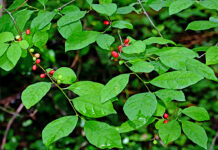
Let’s go back to that beautiful fall foliage, though. The color change of tree leaves is one of the many perks we enjoy from living in the northern part of the United States. The leaves of the deciduous trees lose their chlorophyll in the fall, exposing their natural brilliant colors.
Unfortunately, those colors don’t hang around too long; those same leaves fall from the trees, lose their beautiful colors and become an issue for many property owners.
The most common, socially accepted solution to dealing with dead leaves is to get rid of them. Some people burn them. Others bag them and have them hauled away with the garbage, while some rake them to the road curb and have a city or township suck them up and haul them away. These are viable ways to rid yourself of these leaves, but I would like to suggest a few alternate and environmentally friendly options for you to consider.
What if you left them alone?
When the leaves fall naturally from the trees onto your lawn or landscaping, they offer many benefits. Oftentimes, people are concerned that the leaves will choke out their grass or plants and kill them. However, when leaves fall naturally, they are not typically thick enough to kill any vegetation. The layer of leaves on the ground will offer habitat to many wildlife species, and as they break down over fall and winter, they will provide organic matter and nutrients for your soil, benefiting your lawn and plants.
If you’re concerned that the leaves will kill your lawn, you can let them fall, then mow over them instead of raking. The mowing (preferably a mulching mower deck) will break up the leaves, freeing your grass from a dense leaf blanket. This might not have as many wildlife benefits as not mowing them, but it will still begin the decomposition process and add organic material and nutrients to your lawn soil.
Not a fan of any leaves on your lawn? Well, you could still rake or blow them off the lawn into piles. You could place these piles off the lawn and start a compost pile. This pile would have habitat benefits to many wildlife species, but would also have the benefit of providing a high-quality compost material that could then be later placed on areas where you may want to improve structure and enrich the soil. You could also add branches or sticks to the pile and offer a complex wildlife habitat.
Another option is to rake the leaves and use them as winter mulch on your flower beds. The decomposed leaves will again offer great wildlife habitat and also help protect your plants’ roots, suppress weeds and preserve soil moisture. When they break down, they will return nutrients to your soil.
What I like to do in my own backyard is this: I have a large pine tree with a small circular bed constructed around it. When I moved in, my wife and I discovered that the soil in this bed was very hard with no organic material in it. We tried to plant flowers there, but even hardy plants could not survive. So, what I do is blow my backyard leaves into piles and suck them up with my leaf blower/vacuum. The leaf vacuum slightly chops up the leaves on their way into a bag. I then empty the bags and pile them on this bed with low-quality soil. By the time summer rolls around, the thickness of the leaves has decomposed to only a couple of inches. My plan is to keep doing this until a nice organic layer has built up and eventually plant flowers there.
My intention is to encourage people to take advantage of a free, renewable and valuable resource. Disposing of leaves can be very expensive and labor-intensive, so why not utilize what is already available and, at the same tim,e improve soil on your property and benefit wildlife?
If you have questions about leaving the leaves or Richland Soil and Water Conservation District programs and services, call 419-747-8686 or visit richlandswcd.net.
(This article was written by Matt Christian, director at Richland Soil and Water Conservation District.)




