

One of my favorite singers is Noah Kahan. In his lyricism, he takes you back to his time growing up in Vermont and paints an accurate picture of winter in his song “Stick Season.”
As the lyrics go, “I love Vermont, but it’s the season of the sticks,” and I think that line perfectly portrays my feelings about Ohio in the wintertime.
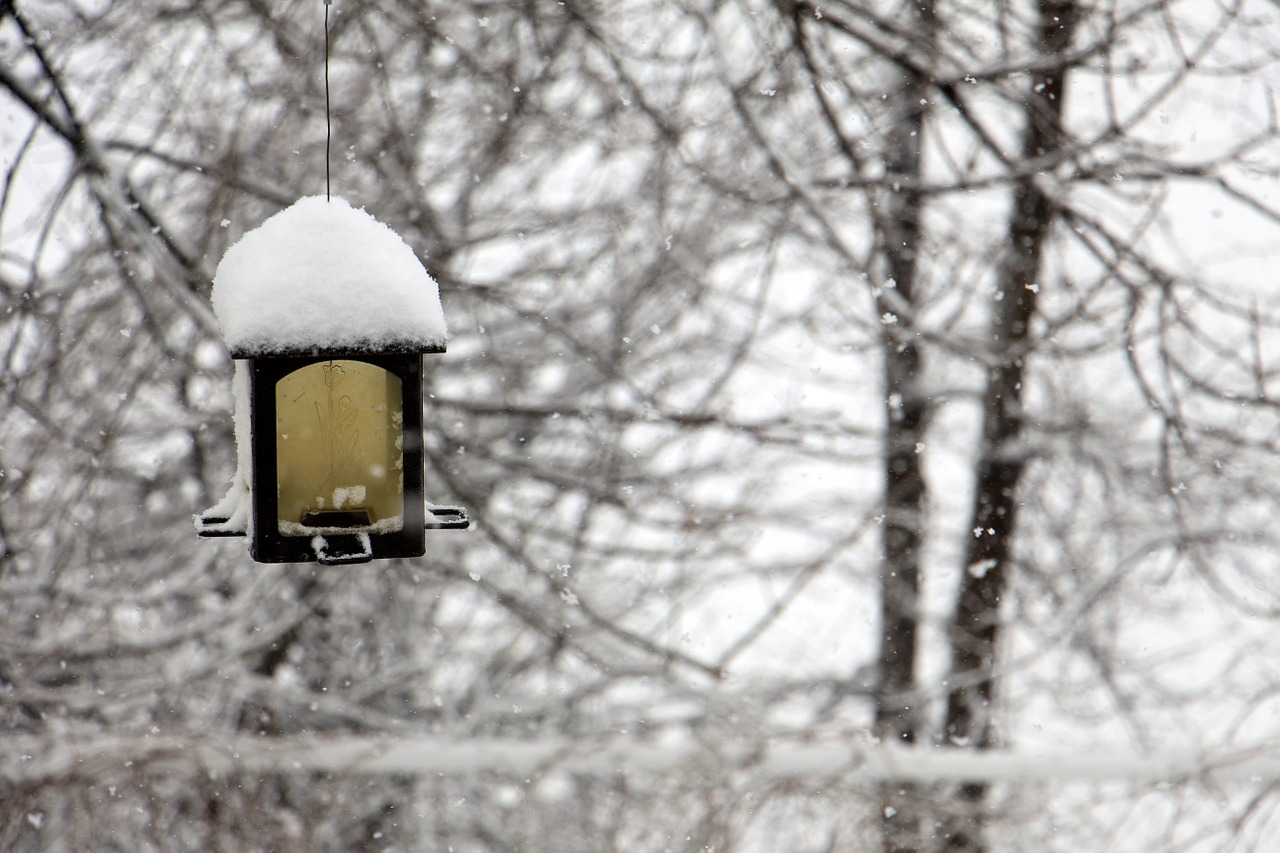
I truly do love Ohio, but as I look out my office window at nearly 7 inches of snow on the ground and feel a below-zero windchill, I can say — bitterly and with a bit of frost on my tongue — that it is indeed the season of the sticks.
While I may wish that snow were a beach in Florida, that’s just not how the world works. The world keeps turning, and we keep surviving. The difference is that I can sit at my desk with my space heater cranked up to high and pointed directly at my feet with dreams of warmer days; most animals don’t have that luxury.
For birds in Ohio, winter brings a different kind of challenge. While many species have already migrated south, those that remain must adapt to scarce food sources, frozen water and bitter cold. While these birds are well-adapted to surviving harsh conditions, it never hurts to offer a helping hand… Or wing. So, you may be asking, “What can I do to help?”
Food and feeders
Offering high-energy foods like black oil sunflower seeds, peanuts, suet, dried fruit and cracked corn can help stave off the hunger that normally coincides with winter and can provide a crucial energy boost birds need this time of year.
Keeping feeders full and clean is equally important as it can also prevent disease and a much-needed permanent food source when others have “flown the coop,” as the saying goes.
Water
Providing water for wildlife in the winter is not as easy as it may seem. With once-reliable water sources frozen over, water can be as hard to find at times as food. Providing birdbaths with a fresh source of water can help provide a much-needed oasis for drinking and bathing.
Remember to regularly clean baths every few weeks to keep birds healthy.
Shelter
While it may be too late to plant native species right now, you can still provide much-needed cover and habitat for birds during the winter months. Nesting boxes can offer a reprieve from the harsh elements.
Putting together a brush pile or letting leaf litter sit can also create a much-needed break from the wind, shelter and a place to forage for insects. Looking ahead to spring, planting a variety of native plants can provide long-term food and cover.
Coincidentally, most Soil and Water Conservation Districts host native tree sales each year. You can check out our native tree sale list on our website at harrisoncountyohio.gov/swcd.
Small changes and thoughtful consideration could mean the world to our feathered friends during this season of the sticks.