


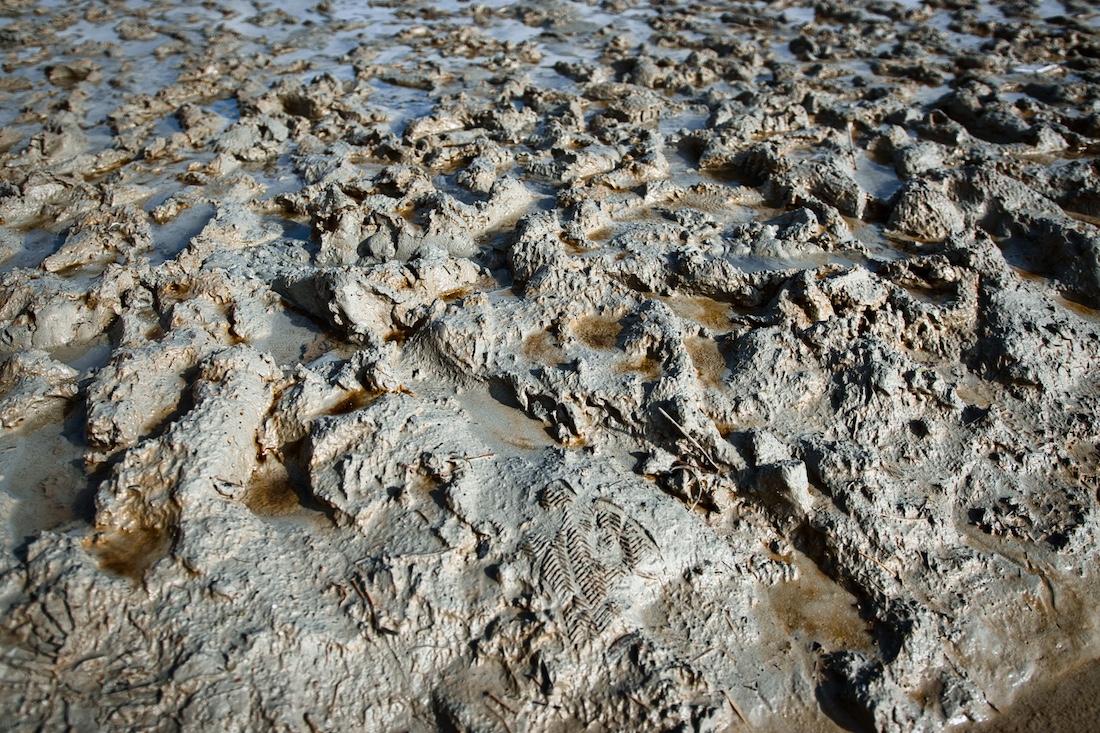
Calving in eastern Ohio usually happens in the spring or fall. They both have advantages and disadvantages. Since it is currently spring, let us explore concerns that can happen during spring calving in wet, muddy conditions. There are three concerns about calf health in muddy conditions that we will focus on: calf scours, navel ill and coccidiosis.
Scours
One of the main concerns with calves in muddy conditions is calf scours. Scours is, simply put, calf diarrhea. It is a disease that has many different pathogens as a possible source. A disease that has different interactions with the environment and host can be referred to as a “disease complex.” Disease complexes, as the name suggests, can have a complicated solution/cure. An experienced veterinarian can run tests to hone in on the best treatment before the disease progresses too far and leads to calf death.
The pathogens can be bacterial, viral or protozoan. Antibiotics will only work on bacteria, so it is not always the “silver bullet”. All these organisms thrive in wet environments that have a high concentration of organic matter. Conditions like these can arise if the cow is feeding on hay bales in the same area for prolonged periods of time while nursing a calf. If conditions get muddy, that calf will ingest manure and soil pathogens along with the milk.
One of the most common sources of scours is the bacterium E. coli. This bacterium is a coliform organism found in manure. In wet, muddy environments, manure essentially inoculates the ground and spreads all over the area. The contaminated mud will then splash up on the low-lying udder of the nursing cow, and her calf will be exposed to it while nursing.
Mature animals have a well-developed immune system as well as an established microflora (organisms in their digestive tract), making them less susceptible to infection. Bacterial scours will typically infect the young calf in the first week of life. Severe calf diarrhea is extremely dangerous. A 100-pound calf can die of dehydration much faster than a mature cow; acting in a timely manner is paramount for calf viability.
The greatest way cattle protect their young against scours is through colostrum intake of the calf. The calf will receive a boost of antibody immunity from the mother cow for the organisms that are present in that location (assuming the cow is not new to the location). This will work for all types of scours causing organisms such as bacteria, viruses and protozoa. Remember that the environmental conditions of mud and manure will increase the likelihood of calf exposure to scours pathogens. Most scours problems will be seen in the first three weeks of a calf’s life. The earlier the calf develops the disease, the more dangerous that disease will be to the calf.
Navel ill and coccidiosis
Navel Ill is another disease that can cause severe issues in claves when the umbilical cord stump, especially when unhealed, comes into contact with pathogens in muddy conditions with a high concentration of manure. Calves born in muddy conditions have a high risk of naval contamination. Proper care at birth is essential for calf health. If pathogens enter the calf through the naval, sepsis can occur. Sepsis is a systemic blood infection that can be fatal to a calf in just a few days; deterioration can happen quickly.
Unlike scours, naval ill is a direct line to the blood and must be monitored for infection, especially during the healing stages. Prevention includes the use of iodine in the fresh naval stump, dry conditions during the first week after calving and monitoring for naval infection (foul odors from infection, swelling and tenderness).
Protozoa are organisms that live in the environment and consume organic matter. They do not always cause disease, but there are pathogenic protozoa in the environment that can infect calves and make them sick. Coccidiosis is a protozoan disease that can affect calves in muddy environments.
Protozoa are different from bacteria in that they do not respond to antibiotics and thus will not help with this type of infection. Calves can pick up protozoan diseases by nursing in muddy conditions, as well as just by grooming themselves when muddy.
Colostrum is king
No matter what disease, the greatest way cattle protect their young against scours, navel ill or coccidiosis is through colostrum intake of the calf. The calf will receive a boost of antibody immunity from the mother cow for the microorganisms that are present in that location. This is considered passive immunity from the cow to the calf.
Remember, again, that environmental conditions of mud and manure will increase the likelihood of calf exposure to pathogens. The greater the mud, the greater the risk, even with passive immunity. Most problems will be seen in the first three weeks of a calf’s life. The earlier the calf develops the disease, the more dangerous that disease will be to the calf.
The vaccines given to the cow a few weeks prior to calving, timing and number of doses required are going to vary a bit depending on the type of vaccine and your vet. Typically, a vaccine is given in the last 2 to 7 weeks prior to calving. The idea is that the cow will produce a boost of antibodies that will be passively transferred to the calf through the colostrum. If the calf does not ingest the colostrum properly, the vaccine will not help the calf’s situation.
Muddy environments have an increased risk for many calf diseases. Calving in clean and dry conditions is the best way to prevent calf disease and ensure calf health. Antibiotics will not cure all infections and having a relationship with your local vet, as well as monitoring calves during the first month of life, is crucial for calf health.