




The weather could not have been much better this fall for harvest.
Many farmers were able to run combines nearly every day for almost three weeks, and a few were even hoping for rain just to get a break. While a handful of corn fields are still waiting to be harvested, most of the crop is now out of the field and harvest is wrapping up across Northeast Ohio.
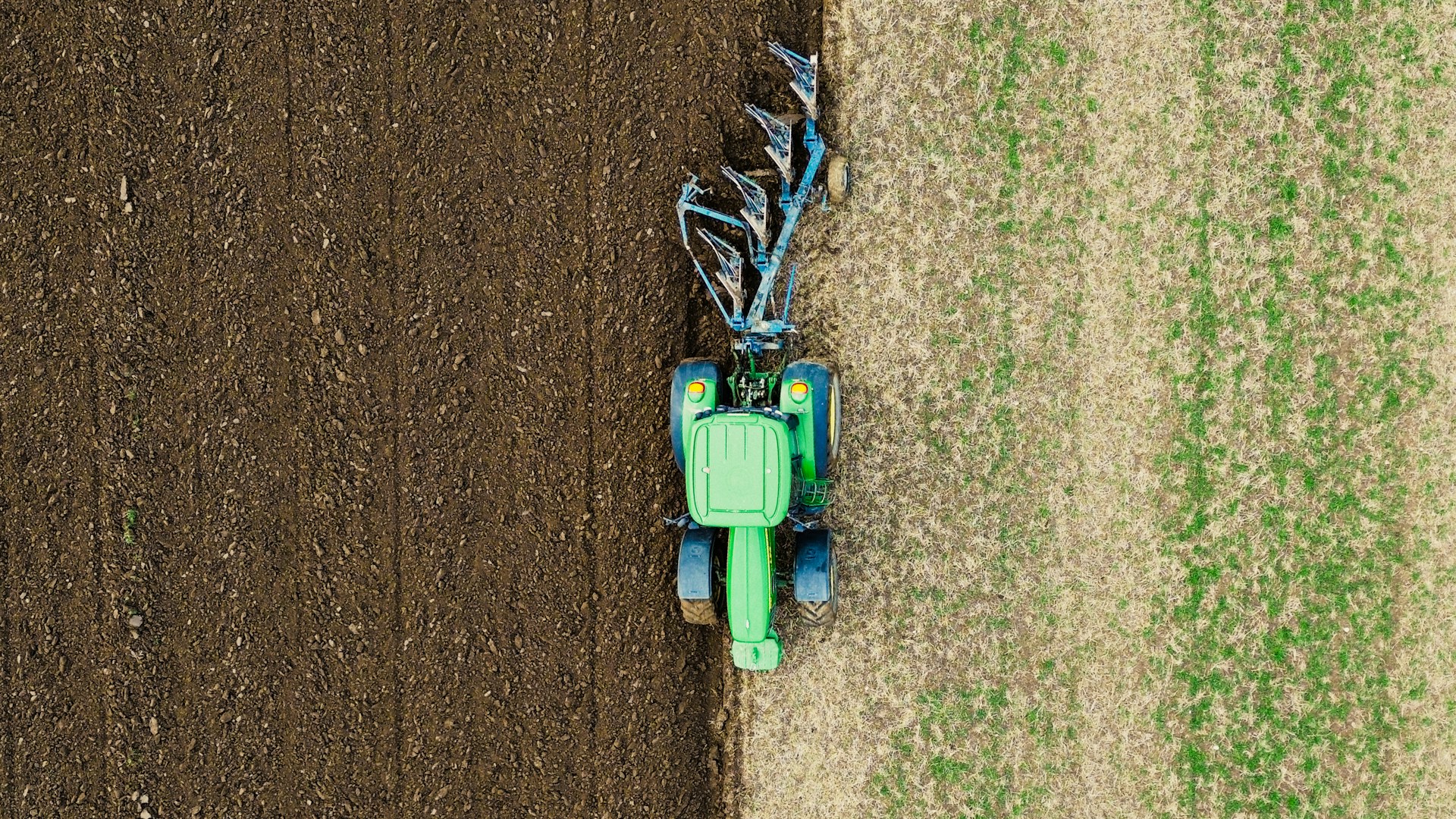
The favorable weather has also allowed many farmers to catch up on routine chores and get a head start on projects for next year. One activity I have noticed this fall is an increase in tillage, particularly heavier tillage practices such as chisel plowing and moldboard plowing. Tillage always involves trade-offs, but there are several additional considerations when deciding whether to perform tillage in the fall versus the spring.
Spring weather can be highly unpredictable, and working wet soils is often a challenge. Tillage during a dry fall can help reduce the risk of soil compaction compared to operating equipment on wet spring soils. Many farmers also use fall tillage to help fields dry out more quickly after winter, allowing earlier access for planting and other field operations.
Fall tillage can also increase soil temperatures in the spring. Dark, exposed soil absorbs more solar energy than fields covered with crop residue, which reflects a portion of that heat. Warmer soils tend to dry faster and can promote quicker seed germination after planting. Research from the University of Minnesota found that heavily tilled soils were as much as 8 degrees warmer than no-till fields during the early spring and retained significantly less moisture, particularly on sandy soils.
The same research found that conservation tillage practices, such as strip-tillage, can provide many of the same spring soil-warming benefits while avoiding some of the costs and soil health concerns associated with intensive tillage.
Tillage is also an effective tool for managing crop residue before next year’s growing season. Incorporating corn stalks into the soil increases contact between residue and soil microbes, accelerating decomposition. The tillage process also aerates the soil, creating conditions that allow microbes to break down residue more rapidly.
However, increased aeration can also accelerate the loss of soil organic matter. As microbes decompose crop residue, more carbon is released into the atmosphere as carbon dioxide (CO2) rather than being retained in the soil to build organic matter.
One of the greatest concerns with fall tillage is the increased risk of soil erosion during the winter months. Crop residue left on the soil surface helps protect the soil by slowing the movement of wind and water across the field. Research has shown that standing corn residue 12 to 24 inches tall is more effective at reducing erosion than residue that has been shredded or cut close to the ground. Cover crops can help offset erosion risks associated with tillage, but planting options become increasingly limited this late in the year.
I wish you all a Happy Thanksgiving! I am thankful for all the dairy farmers out there working every day to help feed us not just today, but every day of the year.