





Think about winter feed needs as fall grazing comes to end
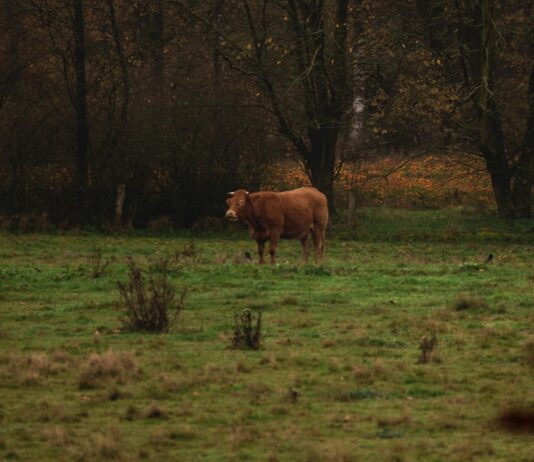
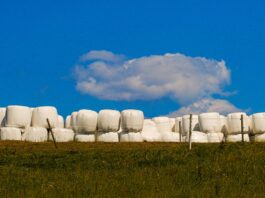
Do you have enough pasture and stored feed to make it through the winter? Learn how to best use what you have.

Scoring pastures yearly can help identify trends
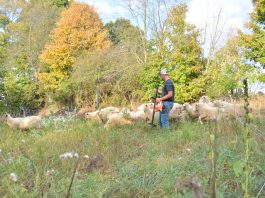
Pasture condition scoring is a systematic way to check how well a pasture is managed and performing.

Japanese clover: Helpful or invasive?
Japanese clover is a persistent perennial, woody weed that will compete with your grass for nutrients, whether it be in your yard or in your pasture.

Grazing corn fodder can help feed livestock through the winter
Using corn fodder residue for livestock to graze meets their nutritional needs and can provide an inexpensive feed source for 65-111 days into the winter.

Check up on your alfalfa agronomics
Ohio State Extension has reviewed its guidelines for growing alfalfa amid reports of fall armyworm infestations. Clif Martin shares some updates.

Ensure healthy and productive forage crops in 2022
Now is a good time to consider management strategies for the remainder of the year that will ensure healthy and productive forage crops in 2022.

Read labels, consider type of weed when controlling weeds
Before spraying, it may be helpful do some investigation into what contributed to weed establishment and consider your pasture management techniques.

Managing armyworm in forages with IPM
With the recent armyworm invasion, now is a good time to review some basic integrated pest management strategies.

Different autumn weeds require different tactics
Weeds can get a strong foothold in the fall. Learn how to manage poison hemlock, spotted knapweed, common ragweed and chicory in your pastures.

Prepare forages, pastures for the fall harvest
The fall rest period is important for pastures and forage fields, giving plants time to store enough energy for winter survival and stand longevity.