






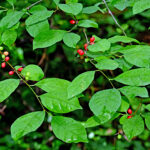
Why spicebush is one of the best native shrubs for wildlife
Spicebush (Lindera benzoin) is a native eastern shrub valued for its aromatic leaves, spring flowers, and lipid-rich fall berries. Discover how spicebush supports swallowtail butterflies, silk moths, and songbirds, while also providing a tasty wild spice and tea for forage enthusiasts.

Tomato hornworm: Friend or foe?
Tami Gingrich tries to change readers' perceptions on the dreaded tomato hornworm, which is actually a large, beautiful sphinx moth.
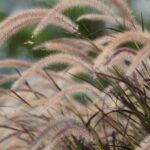
The Miscanthus mistake: Hidden risks of popular privacy grasses
Popular non-native privacy grasses like Miscanthus can quickly escape landscaping and hunting plots to become invasive pests. Learn about the hidden ecological risks of Miscanthus and explore native alternatives like switchgrass and big bluestem for effective screens and wildlife habitat.

LETTER: HSUS has a goal for Ohio and farmers need to stand up
Editor:In August 2010 HSUS started its first phase of killing Ohio farms. They were given all the help they needed by the Ohio Farm...

How to get rid of poison hemlock for good
By cutting poison hemlock down after flowering, you can eliminate its potential to produce more seeds. Peak bloom for is in late May and early June.

The not-so-blessed praying mantis
Tami Gingrich sheds light on the vicious feeding habits of different species of praying mantises, and the plight non-native species can be to pollinators.
Fall can be an effective time to control troublesome weeds
Fall provides a prime window to control perennial and biennial pasture weeds like Canada thistle and poison hemlock. Applying systemic herbicides while weeds are actively growing targets roots before winter, but watch out for residual impacts on spring legume seeding.
What a year for animal owners in Ohio
Editor:
This year started out with Humane Society of the United States hiring signature gathers who lied to the people about what they were signing....
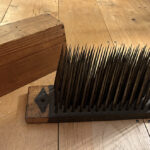
Call it hatcheling, hackeling or hetcheling — you’ll get the point
Before flax could be spun into fine linen thread, early craftspeople relied on hatcheling. Learn about the specialized hatchelsmiths who built these spiked iron tools and how decorated hatchels evolved from essential farm equipment into prized early American folk art.

Mother Nature’s best-kept secret: Hickory nuts
Tami Gingrich shares her love of hickory nuts with readers, offering tips on collecting and eating them.