
While squirrel and rabbit were both staples on the tables of the early settlers, other game in the wilderness of the Ohio country was equally important, both for eating as well as for the purpose of sport and entertainment.
In his memoirs published in 1917, Major General David Sloane Stanley of the U.S. Army detailed his hunting exploits while growing up in the wilderness of Wayne County, Ohio, between 1828 and 1848. His observations and recollections on hunting a variety of animals stand as a singular testimony to the challenges of pioneer living. Here are some of them:
On fox hunting
“Hunting with hounds, or with the gun, was a grand sport pursued whenever there were boys growing up in the family. It was the ambition of every half-grown farmer’s boy to have at least one foxhound in the family. The fox was the favorite animal to chase, but these dogs were trained to hunt coon, possum or even rabbits.”
Stanley recalled: “A good dog, however, when once on the scent of a fox, never could be turned to any other trail, until he killed the fox or ran him into some of the great holes in the rock cliffs of the Killbuck Creek. Hounds had to be kept up with,” Stanley wrote, “to prevent them from running themselves out of strength, and the morning was the usual time for turning them loose. Foxes often prowled about farmyards, and a trail could be found most anytime, fall or winter.
The deep baying of these strong-lunged dogs set every boy’s heart to jumping, and no matter what work or schooling was planned for that day, the music of the chase upset it all. To bridle the best horse, mount and be off was the work of a moment, and if the fox was run into by noon, there was rejoicing enough for some time to come.”
On deer hunting
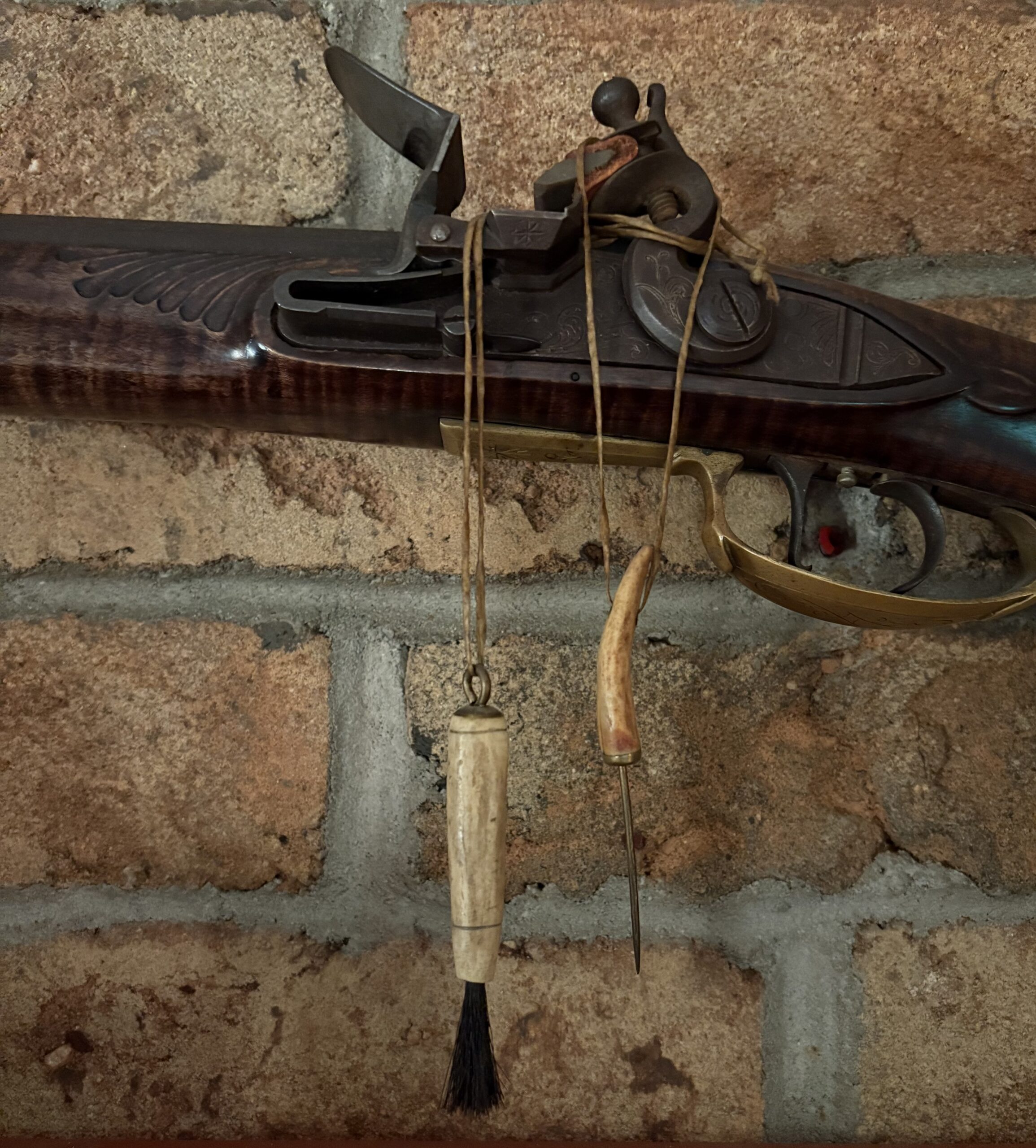
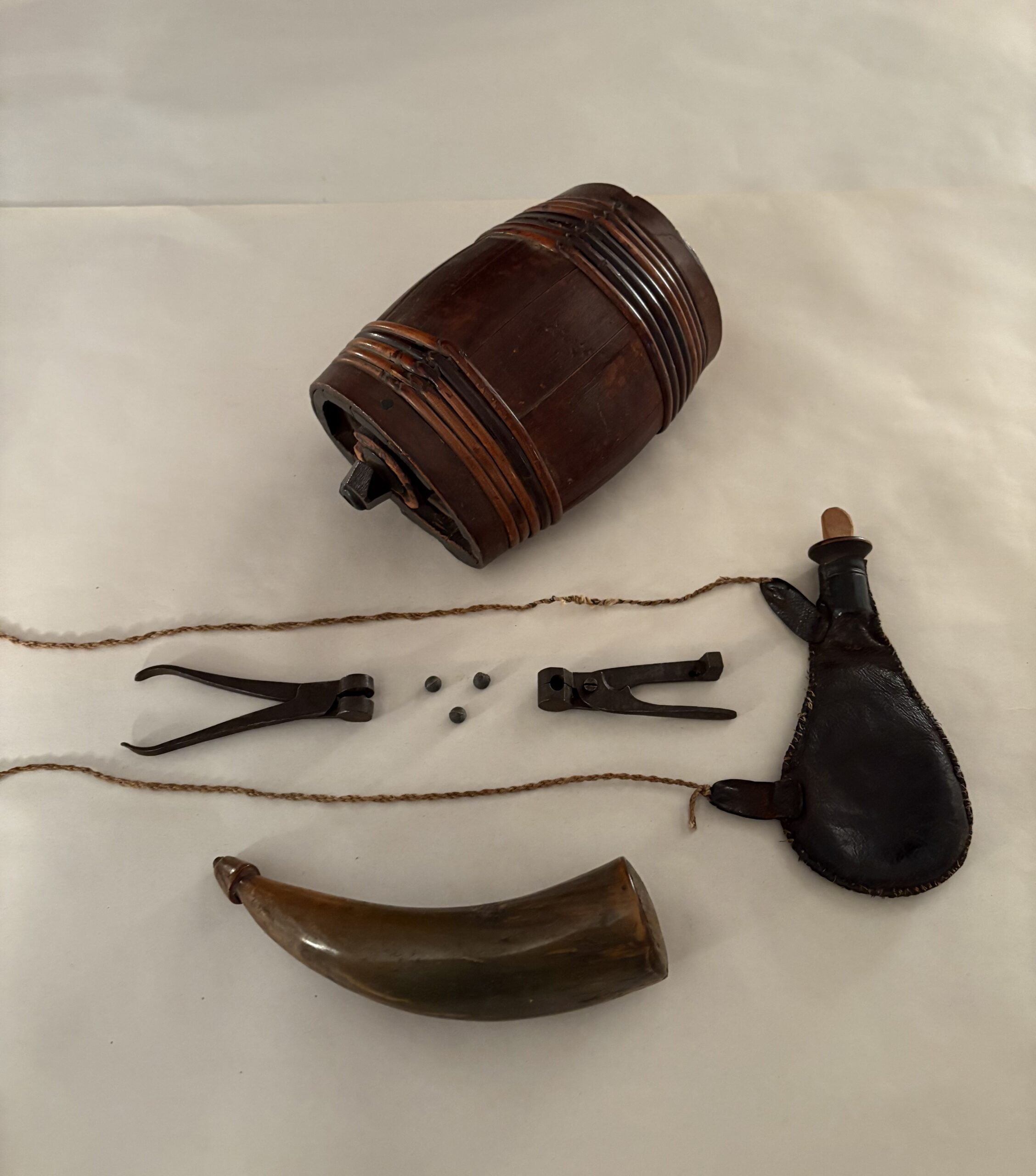
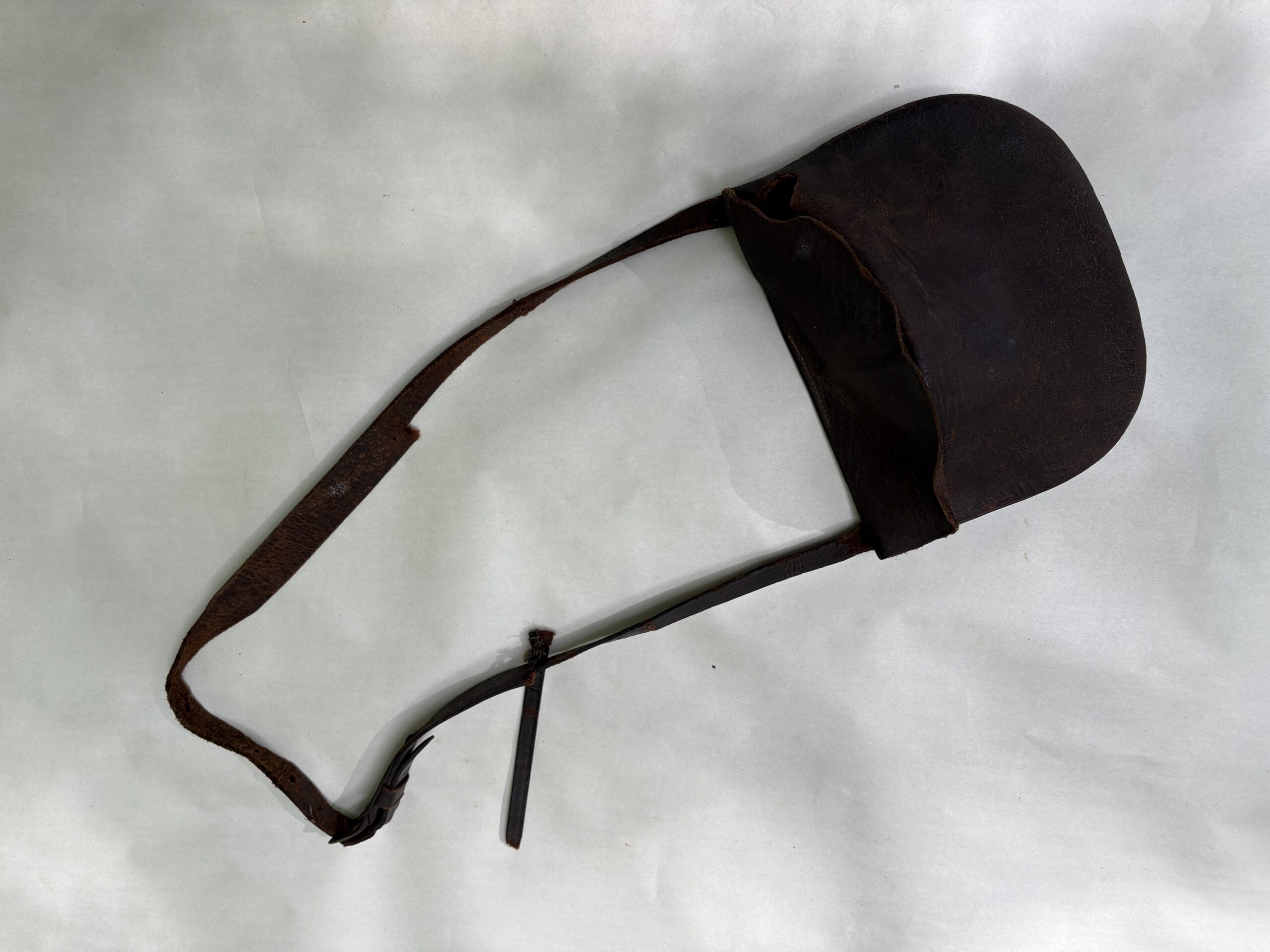
“The same love of sport that enticed the boys to the fox hunt led them to pursue all kinds of game, which still existed in considerable numbers. I can just remember the deer hunters and how my father and neighbors used to start out with guns, shot pouches and powder horns, with tight-fitting knit caps on their heads, to ride to the beech country north of us (likely Congress Township, Wayne County) to shoot deer. Deer horns and buckskin I knew very well,” Stanley wrote.
Stanley recalled: “An immense slash of fallen timber, some ten miles north of us, known as the windfall, was long the harbor of the last deer left in the countryside. (This is confirmation of the period in which the deer population was believed to be extirpated in this region of Ohio.) This windfall was the mark of a tornado that had swept the large timber to the ground, as though cut off by a giant scythe. This strip was three miles long and a mile wide. This showed that the dreaded tornado had swept this beautiful countryside and may sweep it again. A second growth had sprung up in this fallen and tangled timber, and the thicket was impenetrable, making grand cover for game.”