




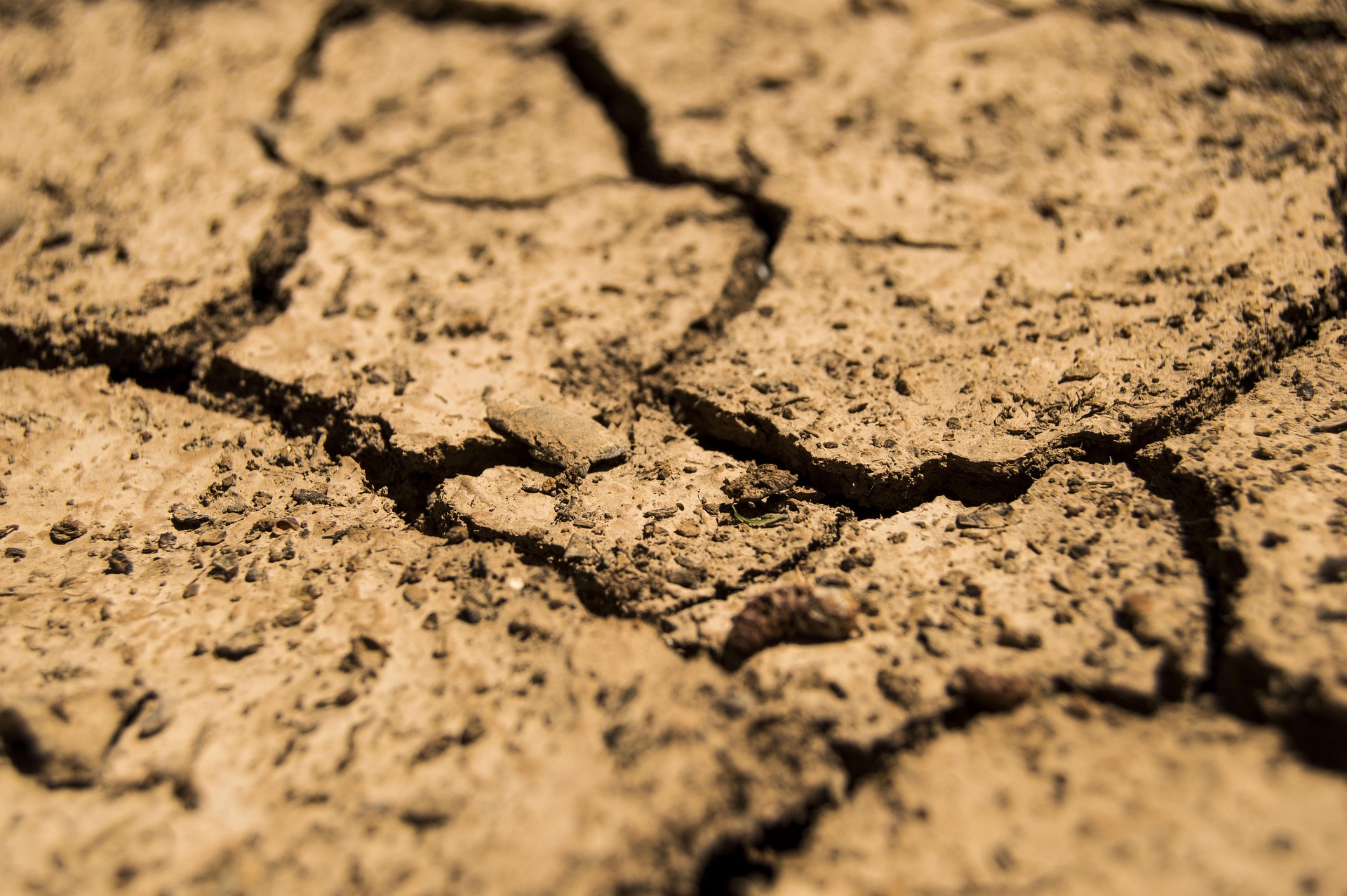
Are you leaving money on the field? In Mahoning County, the difference between a record harvest and a wasted application of fertilizer often comes down to a simple soil test. Soil and water conservation districts work closely with local farmers, producers and land owners to promote practices that support both productive agriculture and responsible stewardship of our natural resources. One of the most valuable and often underutilized tools available is soil testing.
In Mahoning County and across Ohio, soil testing provides critical information that helps guide nutrient management decisions, improve crop yields and protect water quality. Whether you’re managing a large row-crop operation, a smaller diversified farm or a stand of timber, understanding your soil is the foundation of long-term success.
Why do we soil test?
Soil testing allows us to take the guesswork out of nutrient applications, and what species of plants or trees may flourish in certain conditions. By analyzing soil samples, we can determine nutrient levels, soil pH and other key factors that directly impact crop growth.
Without soil testing, it’s easy to apply too much or too little fertilizer. Over-application increases input costs and the risk of nutrient runoff, while under-application can limit crop performance and reduce yields. Soil testing ensures that nutrients are applied at the right rate, in the right place, at the right time and at the right source (the 4R practices).
Soil and water conservation districts encourage routine soil testing as a way to make informed, data-driven decisions that benefit both the farm and the environment.
Importance to crop production
Healthy soils produce healthy crops. Soil testing plays a direct role in maximizing productivity by:
• Balancing nutrients: Crops require specific amounts of nutrients like phosphorus and potassium. Soil tests help ensure those nutrients are available when crops need them.
• Managing soil pH: Proper pH levels are essential for nutrient uptake. If the pH is off, crops cannot efficiently use available nutrients.
• Improving yields: When soil fertility is properly managed, crops are better positioned to reach their full yield potential.
• Tracking soil health over time: Regular testing allows producers to monitor trends and adjust management practices as conditions change.
For common Ohio crops such as corn, soybeans and wheat, these factors can significantly influence both yield and profitability. To those producing timber, it can give an insight as to what tree species you may want to consider for a future generational stand.
Healthy soils are the foundation of a productive harvest. Soil testing allows producers to maximize yields by ensuring a precise balance of essential nutrients like nitrogen, phosphorus and potassium, making them available exactly when crops need them most.
As illustrated in Figure 1, nutrient availability is directly dictated by soil pH; the wider the band on the chart, the more available that nutrient is to the plant.
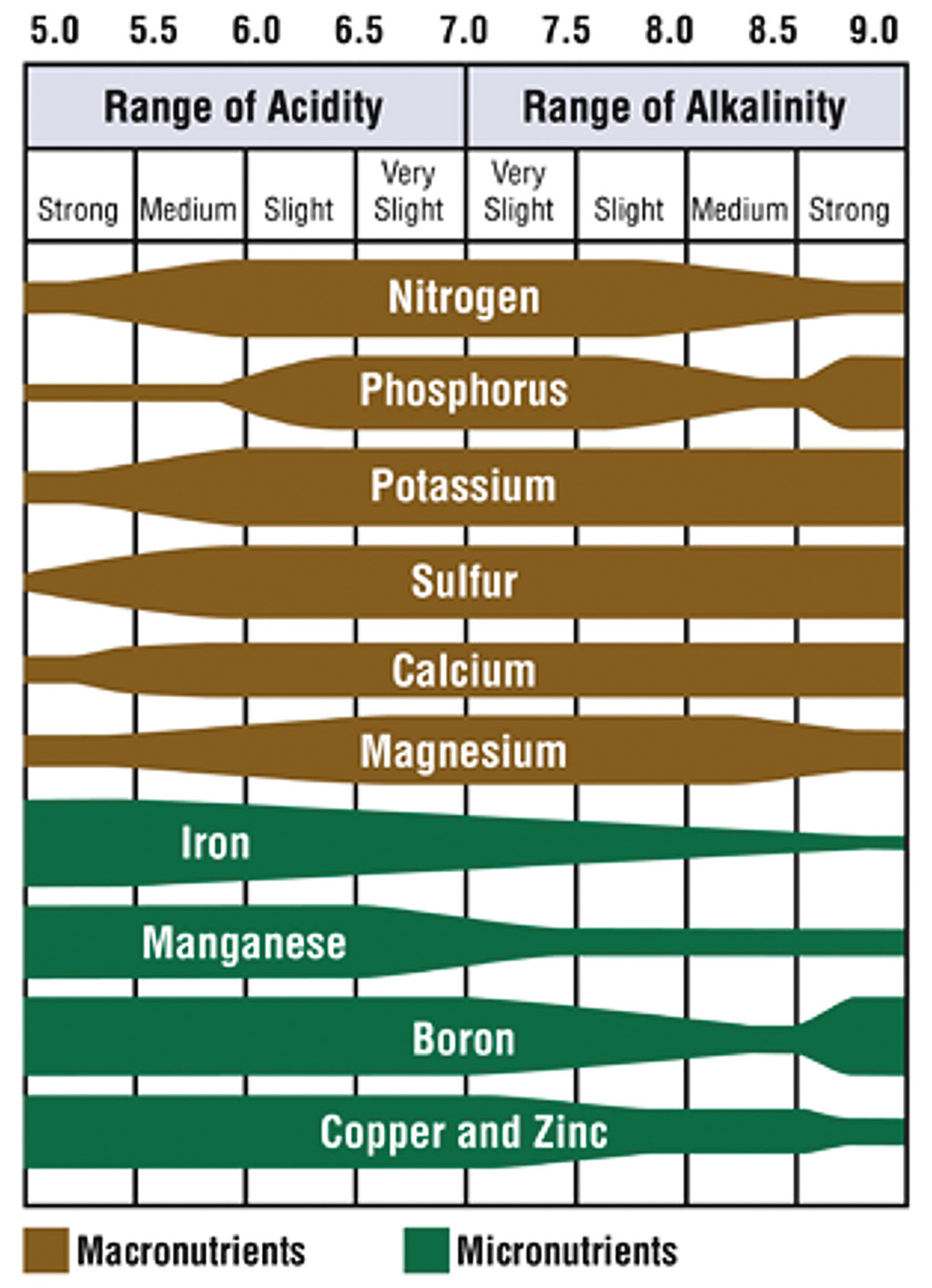
Managing pH is a critical factor that many overlook. If your soil is too acidic, your crops are essentially “locked out” from absorbing phosphorus and other macronutrients, even if those nutrients are already present in the ground. By maintaining an ideal pH range, you ensure that crops can efficiently utilize available resources and reach their full yield potential. Furthermore, regular testing serves as a long-term roadmap, allowing producers to monitor soil health trends and adjust management practices as conditions change — a vital strategy for protecting the profitability of Ohio’s corn, soybean and wheat operations.”
Protecting our local water resources
Mahoning County’s farms and timber stands are part of a larger watershed system, meaning what happens on the land can impact local streams, rivers and lakes. Soil testing is a key step in preventing nutrient runoff — particularly phosphorus, which can contribute to harmful algal blooms.
By applying only the nutrients that crops actually need, farmers and landowners can reduce excess runoff and help protect water quality throughout our region.
Soil testing and the H2Ohio Program
Soil testing is also an essential component of the H2Ohio program, Ohio’s statewide water quality initiative. H2Ohio focuses on reducing nutrient losses from agricultural land, and accurate soil data is the starting point for that effort.
Producers participating in H2Ohio often develop nutrient management plans based on current soil test results. These plans help ensure that phosphorus and other nutrients are applied responsibly and efficiently. In many cases, soil test data supports conservation practices that both improve water quality and maintain farm profitability.
At Mahoning SWCD, we assist producers in understanding and meeting H2Ohio requirements, including proper soil sampling and interpretation of results. Please keep in mind if you are enrolled in the H2O Ohio program, soil tests can be no older than 2023.
Supporting farmers in Mahoning County. Our goal at Mahoning Soil and Water Conservation District is to provide the tools and guidance needed to help local producers succeed. Soil testing is a simple step that delivers significant benefits, from improved crop performance to better environmental outcomes.
If you have questions about soil testing or need assistance getting started, we encourage you to reach out to your local SWCD or Ohio State University Extension office. We’re here to help you make the most of your land while protecting the resources we all depend on.