



By Elaine Bast
What good are your porch lights doing while you sleep? Sure, they help you see when returning home late, but what are they really accomplishing? Slowly increasing your electric bill, for sure. But even more significantly, they are silently damaging the environment around you. These lights disrupt an incredible natural process taking place largely unnoticed right outside your door.
By now, you may be wondering how a few small lights on your porch can possibly impact the environment. It wasn’t until I spent several summers in college collecting live moth specimens multiple nights a week that I truly understood the effect artificial light could have on moths. That’s right, your porch lights are affecting moths.
While this might initially seem trivial, it’s crucial to recognize moths as one of the most important pollinators on the planet. In fact, recent research has suggested that moths are more productive pollinators than daytime fliers, including bees.
Sadly, moths are often overlooked for a few reasons. First, they are mostly a nocturnal species, so they move around while you and I are sleeping, making them easy to miss. Second, they do not boast themselves with the bright, eye-catching colors of their lepidoptera relatives, butterflies.
Before I came to appreciate the unique beauty and importance of moths, I too would have been more enamored by the vibrant colors of native swallowtail butterflies or the striking orange of the monarch. Like most people, I paid little attention to the moths fluttering around the deck lights while I sat outside on warm summer nights. That all was about to change.
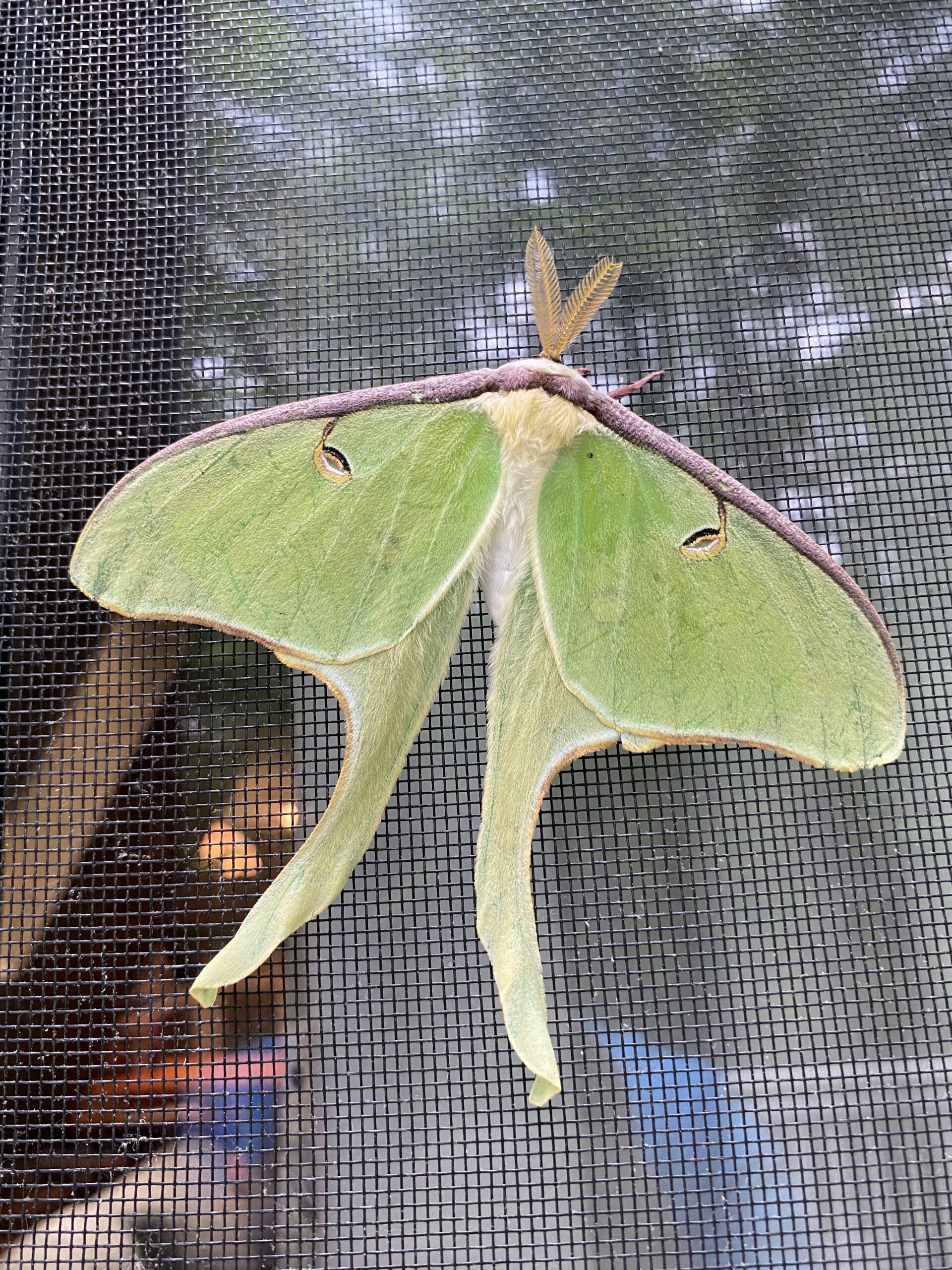
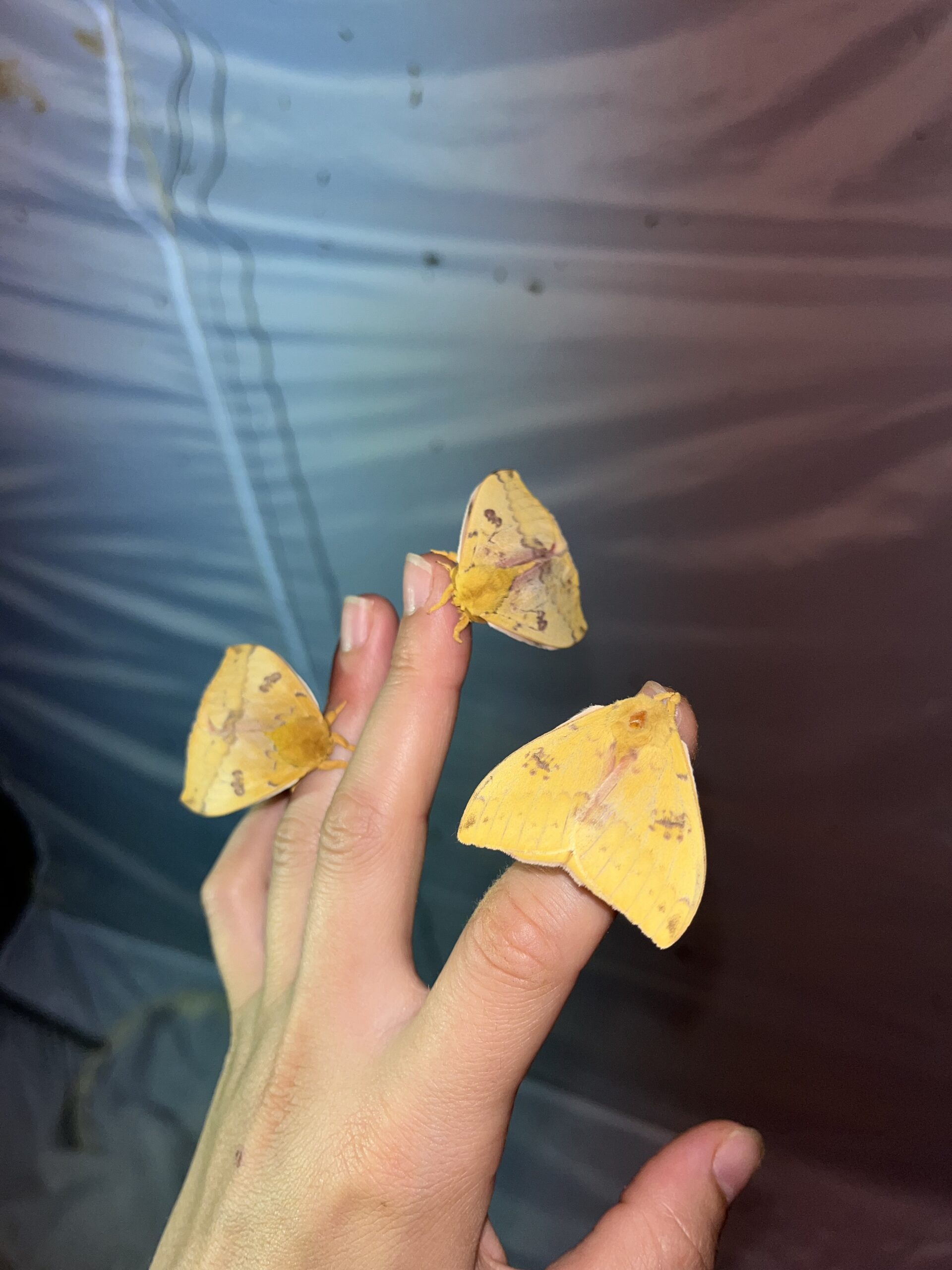
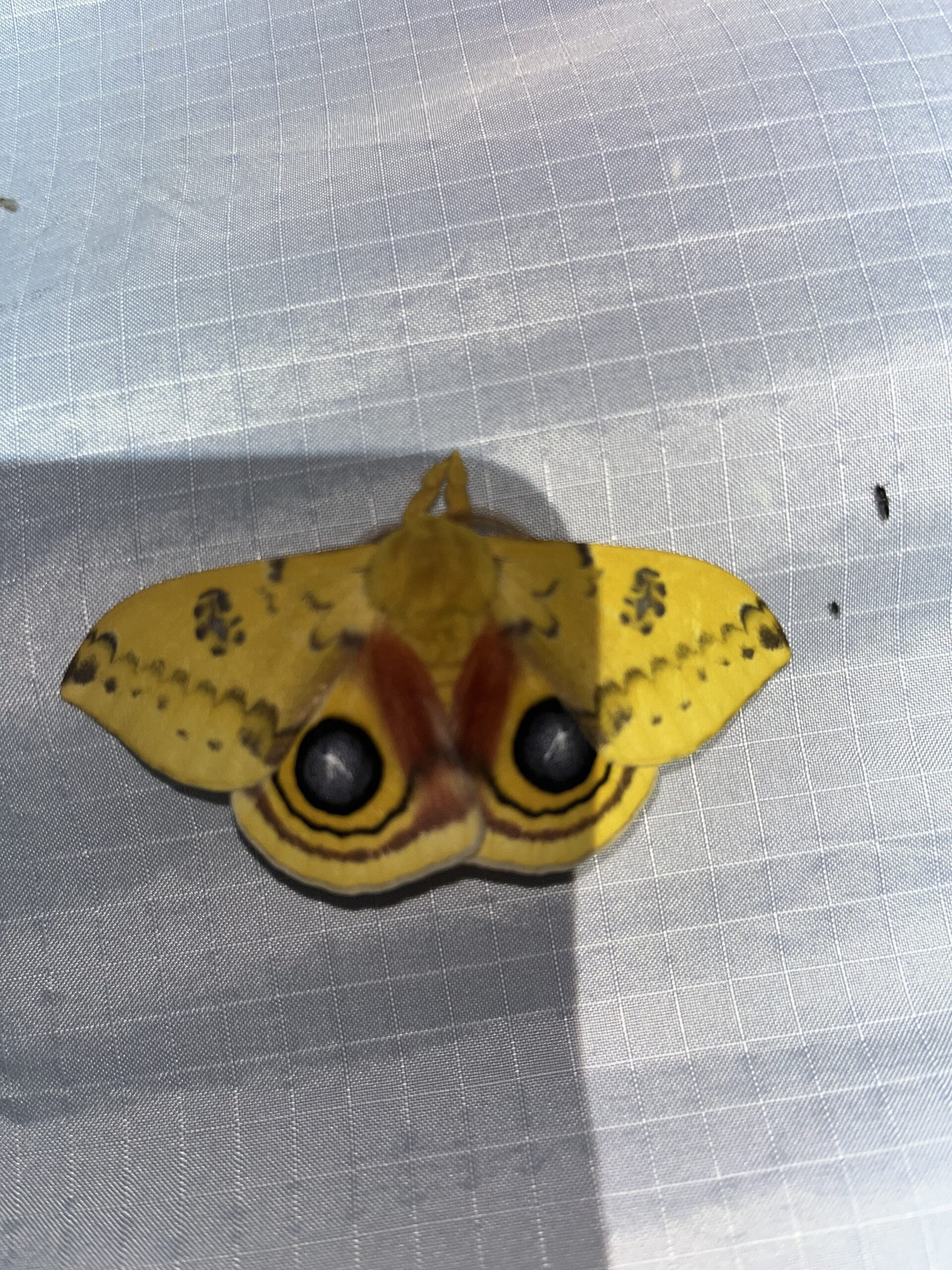
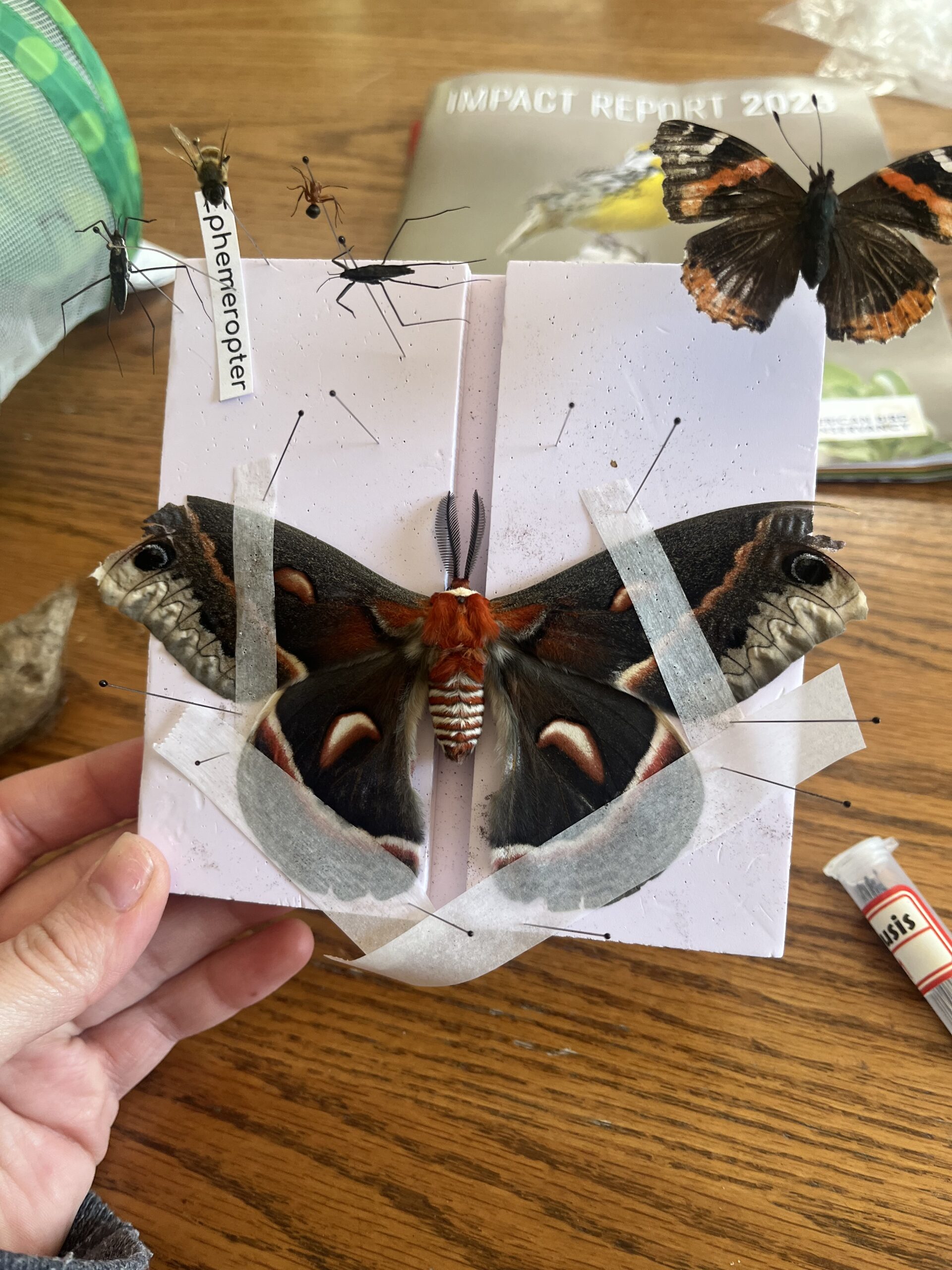
While night collecting, I soon realized the diversity and changes that unfold as night progresses. As each hour passed, starting around 8 p.m., different species would emerge. Through careful observation, I began to recognize the pattern of when specific moth species appeared. Some summer nights, I stayed up until 2 a.m., hoping to catch a glimpse of the stunning, green Luna moth, the impressive 5-7-inch wing span of the Cecropia moth or the gentle touch of the Io moth.
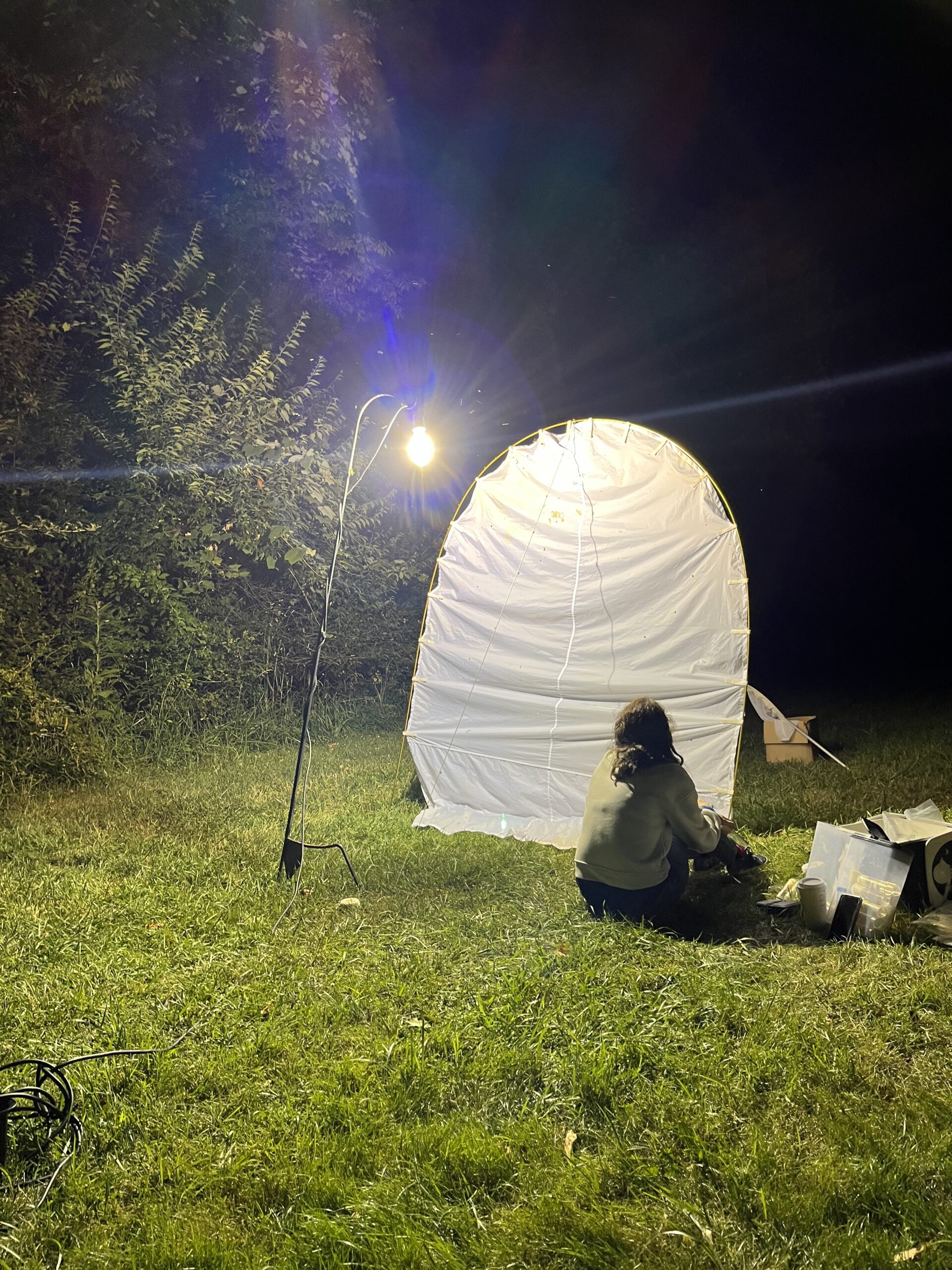
I saw the array of the nearly 3,000 species of moths native to Ohio unfold before my eyes. To attract and collect various species, I used a metal halide light in front of a white sheet. The light distorted their perception, throwing off their vision, confusing them and making them fly directly to the light.
I discovered the mysterious allure of the night through college summers and realized the profound hidden wonders hiding just outside my window every night. Porch lights have the same effect as my metal halide light on nocturnal pollinators. Moths rely on the natural light of the moon to guide their orientation and flight patterns. Artificial lights confuse moths, disrupting their orientation and throwing off their ability to navigate.
So, what good do your porch lights do? I can’t speak to the personal reasons you keep them on, but I can tell you how they are affecting pollinators in your own yard. You may wonder how much of an impact a few small lights can have, but what if everyone thought that way?
As artificial light continues to pollute our environment, technology offers simple solutions that can make a significant difference. A simple switch to motion-activated lights or yellow bulbs can still provide the illumination you need without contributing to light pollution or disrupting pollination and biodiversity.
(Elaine Bast is the education and outreach coordinator for Stark Soil and Water Conservation District. She can be reached at embast@starkcountyohio.gov or 330-451-7545.)