

You don’t have to look hard for an advertisement promising the newest, highest-performing solution to an everyday problem or hobby.
For outdoorsmen, those promises multiply as hunting seasons roll in, and they extend beyond gear to seeds, plants and trees.
Whether marketed for food plots, screening, erosion control or flower beds, some choices complement the native landscape, while many heavily advertised non-native plants can create problems if they escape their intended use.
History repeats
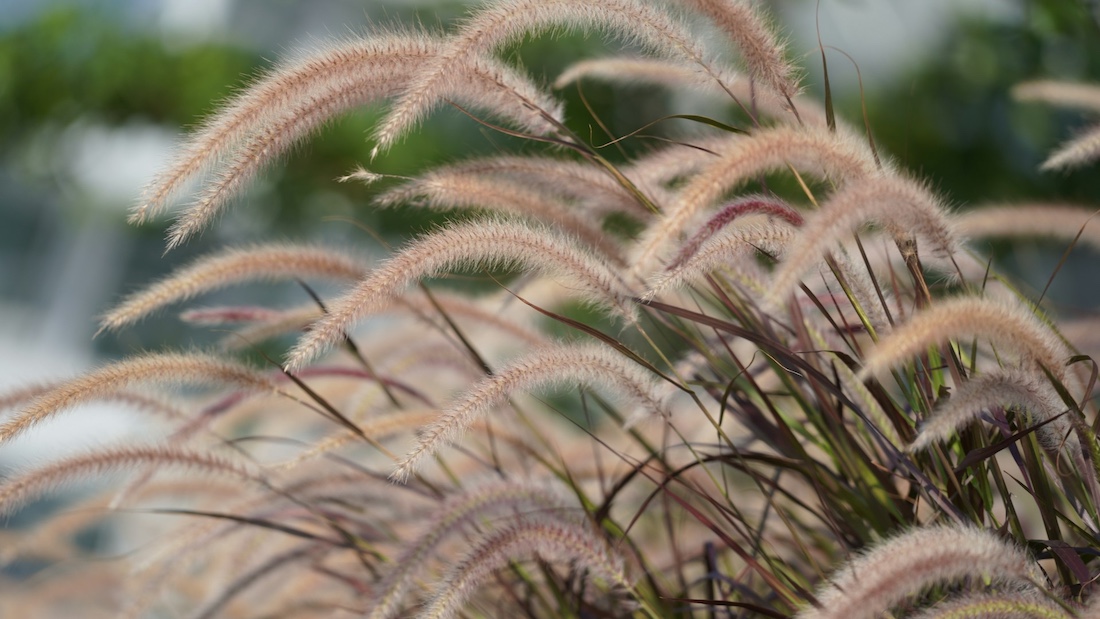
On the recent forefront of this scene is Miscanthus. A giant of the grass family, it will easily reach more than 10 feet tall in just a few years. We see it included in “plant it and forget it” landscaping at gas stations, stores and home gardens. But recently, it’s been more popular along roads as sight and sound screens, along property boundaries for privacy, and of course, in wildlife planting projects to screen hunters from their prey.
Maidengrass, silvergrass and eulalia are common names for Miscanthus sinensis. With its silvery plumes atop the towering clumps, miscanthus is still popular and being sold as a landscaping plant, even in states like Ohio where it is on the Ohio Invasive Plant Council (OIPC) invasive list.
Miscanthus gigantea has been promoted with the same mindset as many others: find a “sterile” option for the original species that was found to be aggressive. Spring roadsides remind us that other “sterile” invasive species like Callery pear deserve caution.
These cultivars of ornamental pear trees needed only to cross-pollinate to revert back to a fertile next generation that is easily spread by wildlife.
Many introduced grasses and similar species were popularized in an effort to “try something new” for livestock forage, landscaping or biofuels. Now those plants that have escaped their intended purpose are a concern on public and private land far from their original plantings. Unsurprisingly, they’ve become some of our worst invasive actors: Phragmites, or common reed, is choking out ditches and wetlands. Japanese Stiltgrass is smothering woodlands, trails, and utility corridors with expanding range. Reed canary grass will be impossible to eradicate from our floodplains.
Roles of native grasses
Grasses and their relatives play several roles in wildlife habitat, providing food, shelter and travel corridors. Restoring native grasses can benefit butterflies, bobwhites, bucks and many other species. Unlike many non-native grasses selected primarily for height or screening, native plants can also provide year-round food, serve as host plants and support overall ecosystem functions. Native grasses, shrubs and trees can meet many of the same cover needs for hunters and wildlife observers while contributing to the greater ecosystem.
Wildlife food plots. If you are planning wildlife food plots, bedding areas or developing lanes to control travel patterns, consider our native grass species like Switchgrass, Indiangrass or Big Bluestem. These grasses aren’t 10 feet tall, but neither is your trophy buck. These species can provide the cover you desire, as well as help re-establish our native plant communities that support ground-nesting birds and smaller mammals.
Aesthetics. If your goal is aesthetics, the previously mentioned grasses offer height. Shorter species like little bluestem and broomsedge can be utilized in smaller spaces. For some really creative additions, look for native sweet grass with its lovely smell. Purple top, Purple lovegrass or pink muhlygrass are North American natives with colorful frothy tops that are beautiful from summer through fall.
Privacy. For screens, windbreaks, shelterbelts and noise barriers, mindful selections of native trees and shrubs can provide the desired privacy while offering additional benefits. Fruit, nuts and foliage can feed people and wildlife, with seasonal foliage color and flowers as an added bonus.
Grasses and their close relatives can be among the most difficult plants to control once they spread through a landscape. They are essential to erosion control, soil development, conservation, agriculture and everyday life, but those benefits do not make every plant suitable for every setting. The greater concern is the rapid adoption of non-native species for “wildlife habitat,” especially when they are planted beyond the routine tending and containment expected in managed landscapes.
Many plants that we use and enjoy today are not native to our county, state or even North America. Should you have the option to select an introduced plant, or one that has thrived here alongside other plants and animals for centuries, consider the bigger picture.
Make the choice that will have the most good, for the most species, for the long term. Your local soil and water conservation district, Extension office or department of natural resources staff can offer perspective and recommend native alternatives suited to your goals.
(Karen Gotter is the watershed coordinator for Killbuck Creek and Trevor Berger is the program administrator at Holmes Soil and Water Conservation District.)