
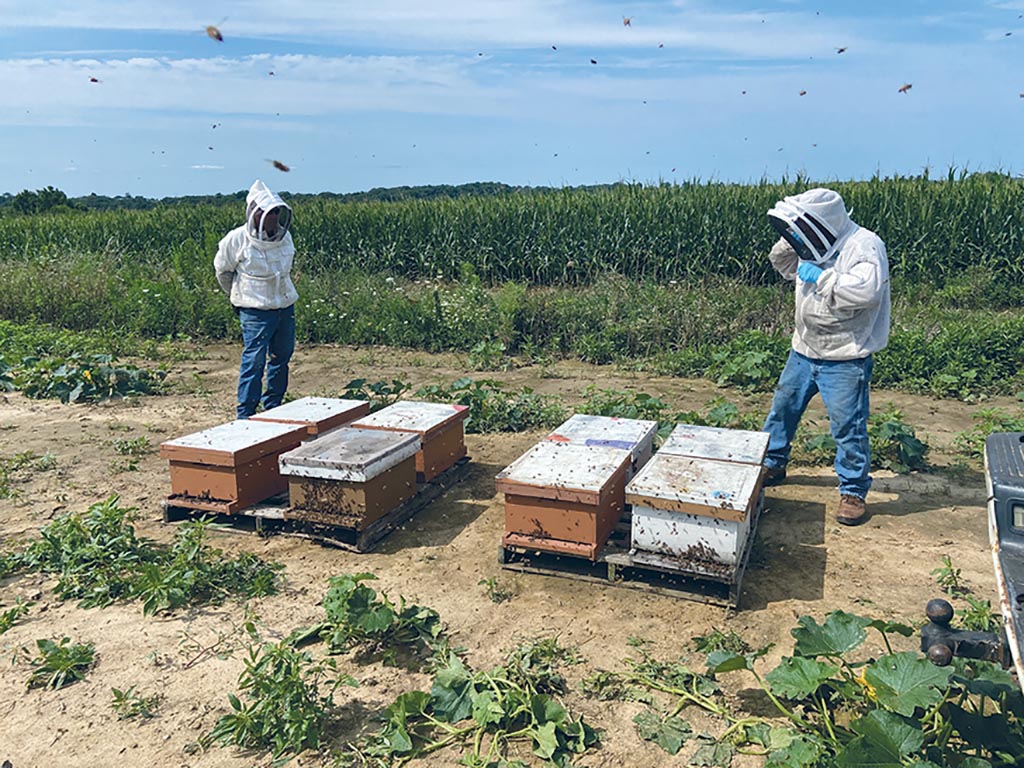
One of the most frequently asked questions I get about my bees is: “How do you move them?” Well, it depends. It depends on how far you’re moving them and why you are moving them. It depends on whether you’re moving them at night or in the morning. It depends on the temperature and whether it is hot and sunny out or it’s raining. It depends whether they’re in a corrugated nuc box or a single deep.
Corrugated nuc box
When you purchase a nuc that comes in a plastic corrugated box, you will want to have the entrance closed so they don’t escape as you’re going down the road. The problem with this is that closing the entrance shuts out the main vent that is used for airflow, and then that limits the air to the small perforated air holes for the hive to breathe. A big five-frame packed nuc, with each frame covered with bees, honey and brood, needs air flow. If it is hot out in the 80 F or higher range and with high humidity, you can damage or kill your new hive in a few hours, especially if you have it in the back of your hot truck bed or car trunk, even though you’re going down the road. I have heard many instances where the nuc was overheated and killed before getting it home because of improper handling.
The best time to pick up your nuc box is early morning or late evening when it is cooler out, and because all the foragers will be in for the night and your hive will have the maximum amount of bees. If you picked up or transferred a nuc in the middle of the day, there will be many foragers left behind that will either die or drift into a close neighboring hive. A mesh bag can be used to put your nuc inside your car to ensure no escapees, and the box should be placed on the floor or seat with the air conditioner blowing on it for ventilation.
Single deeps
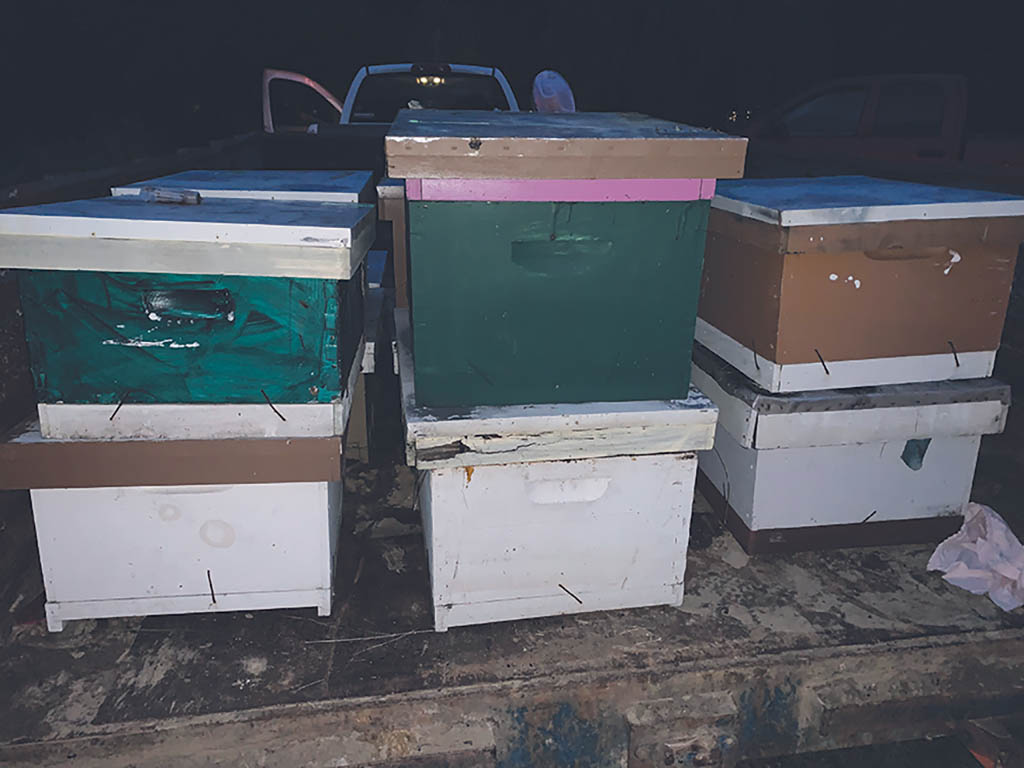
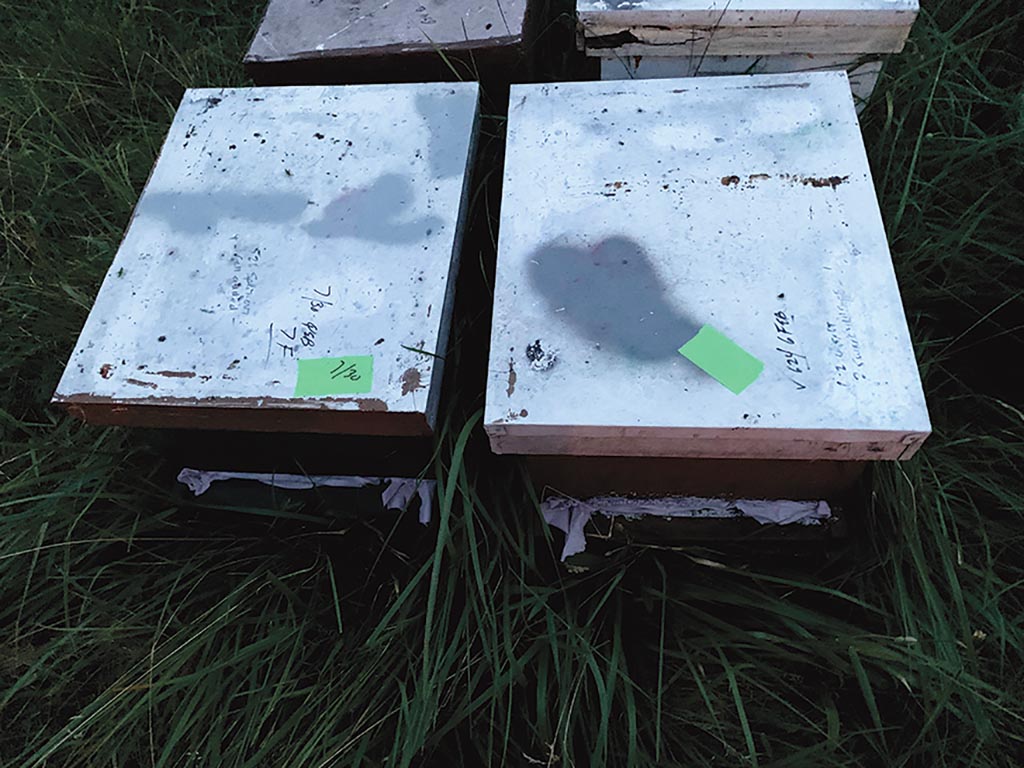
If I’m moving my bees to a field for pollination or relocation and the distance is less than a half-hour drive, I will load the hives in the truck bed and won’t use a net to cover the bees. I cut old towels or bed sheets into strips and loosely block the entrance so the bees won’t come boiling out should the hive be jostled or bumped during loading or unloading. This will inevitably happen, and the bees will generally hang around the outside of the box until they go back in. A little smoke applied to the bees will coerce them into returning back into the hive.
The single 10-frame deep with bottom board and lid averages about 60 to 75 pounds and can be picked up by an average man and loaded into a truck bed or trailer. A helper is greatly appreciated for the heavier hives, as they can weigh up to 80 to 90 pounds easily. If you’re going a greater distance, you can cut out strips of netting or window-type screening, and after smoking the bees, use a stapler to secure the netting to the hive entrance. This will minimize escapees and is highly effective on longer trips, and allows maximum airflow into the hive instead of blocking the entrance with the cut sheets or cloth.
Temperature and humidity
Last week in northeast Ohio, we finally got morning lows in the mid-50s range — perfect for this time of the year to move bees in the morning. Pumpkins are starting to bloom, and we grabbed 20 hives at 6 a.m., before they started to fly, and loaded them in a pickup for a short 5-mile trip to a farmer’s field. My buddy, Doug White, helped close off the entrances, and we loaded them in less than 15 minutes in the back of the truck. The night earlier, my lil dove, Patty Boser, smoked and helped me load about 20 into a dump trailer that went to a different field. The nighttime humidity made us sweat, and the bees were in a foul mood and they let us know it.
Morning or evening commute
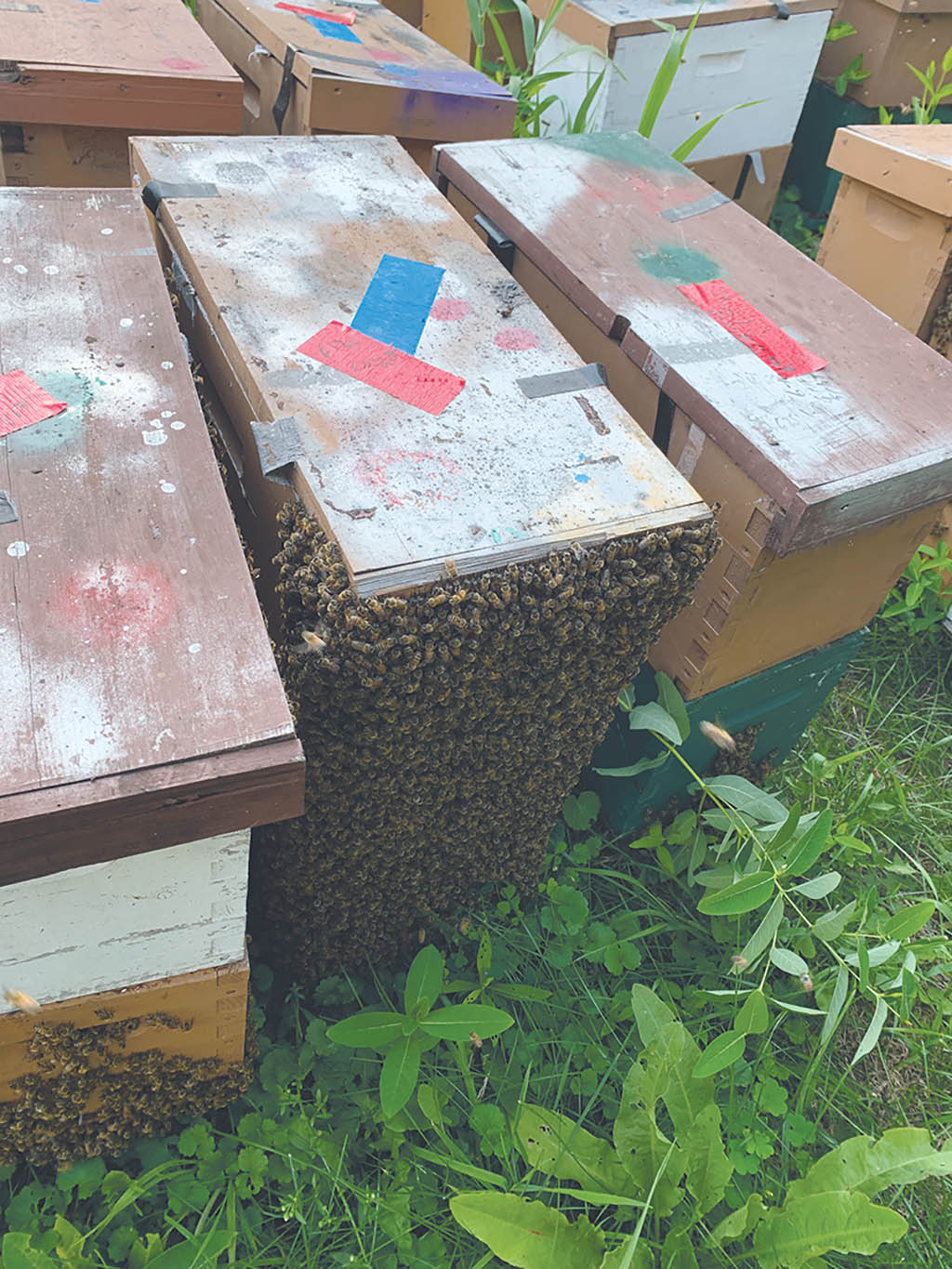
In my opinion, I would rather load bees in the morning. You have to get there early, well before the legal shooting time for deer hunting, get your smoker going and have your screen or cloth to block the entrances ready to go. If it’s hot out and it’s calling for clear skies, you need to have them loaded before the sun starts to pop. If you’ve been in an apiary in the early morning, sometimes it looks like a switch was turned on, and the bees start flying out of the hive to begin the day’s work. As the sun casts its rays on the eastern-facing hives first, the bees begin to start flying out with increased volume, like elementary school kids running out after school ends towards their bus. There will be times you will have to load in the late evening or at night. When all the bees are back, you can begin smoking the stragglers in and then blocking the entrance.
The challenge with nighttime loading, other than I don’t have raccoon vision, is that bees like to crawl at night. When I say crawl, I mean crawl. The bees will find their way up around your pant cuffs and your waistline. They will stick to your gloves, shoulders and back. Somehow, they will be more accurate and find a vulnerable spot to let you know the consequences of loading bees at night. When you’re loaded or unloaded and back in the truck, you will have plenty of company for the first 5 minutes as unwelcome hitchhikers appear out of nowhere to get that last jab in. You will look at your partner and swear you won’t do this again, but you both know it’s a lie as you drive down the road hot and sweaty in your bee jacket, thinking to yourself, “What else would we be doing?”