


The Wildlife Habitat Initiative is a new program being offered by the Division of Wildlife in partnership with the U.S. Department of Agriculture and the National Bobwhite and Grassland Initiative Foundation.
The purpose of the program is to incentivize landowners to implement conservation practices on their land to benefit grassland birds, pollinators and other native wildlife species.
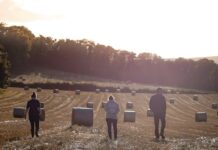
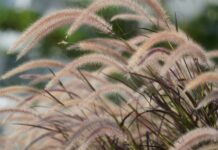
These practices can vary depending on the amount of acreage a landowner chooses to enroll and the type of land use. For example, a farmer with a few areas of cropland he is not using might implement a pollinator plot by planting some native grasses and wildflowers. A substantial woodlot that has been overtaken by invasive and noxious plants might be cleared so that native trees and shrubs can establish themselves.
Through grant funding by the USDA’s Natural Resources Conservation Service under the Regional Conservation Partnership Program, qualified landowners can receive reimbursement payments of up to 95% of the standard practice cost.
How do you know if you are qualified?
Landowners must be eligible for USDA programs and have an established and current farm record and number with the Farm Service Agency. Once you ensure that you are qualified through the FSA, reach out to your local wildlife management consultant or soil and water wildlife specialist to get a plan in place.
After you work out a plan of what practices you would like to put in place on your property, a contract can be administered by the NGBI. These contracts typically range between 1 and 4 years, depending on the amount of work being done and the size of your project. After the work is completed and approved by the project planner, your reimbursement payment can be issued.
There are a multitude of practices to choose from, and each property is special in its own unique way. The best thing you can do is reach out to a professional today and see how WHI can improve your property for you and the environment.
More information
Find your local wildlife management consultant: ohiodnr.gov/discover-and-learn/safety-conservation/woodland-management/private-lands-biologist
Find your local SWCD: agri.ohio.gov/divisions/soil-and-water-conservation/find-a-local-swcd/swcd-list