


By Chris Stanton
There are more than 2,700 man-made reservoirs formed by artificial dams across Ohio, Pennsylvania and West Virginia, with the majority being in Pennsylvania.
These reservoirs were built to reduce flooding events, serve as drinking water sources for municipalities and create water bodies for recreational activities like boating, hunting and fishing. The “lakes” also provide habitat for species of interest such as eagles, migrating waterfowl, otters and game fish.
The Muskingum River watershed, which covers most of the eastern half of Ohio, includes 14 dams that were built between 1935 and 1939 by the U.S. Army Corps of Engineers. Eight of these dams create large reservoirs, such as Seneca and Tappan Lakes.
The other dams, known as “dry dams,” do not impede water to form a lake, but have the ability to slow or stop water in a flood-related emergency.
Newer dams exist in the watershed as well, like Salt Fork Lake Dam, which was built in the 1960s to create Salt Fork State Park for recreational uses.
What is a drawdown?
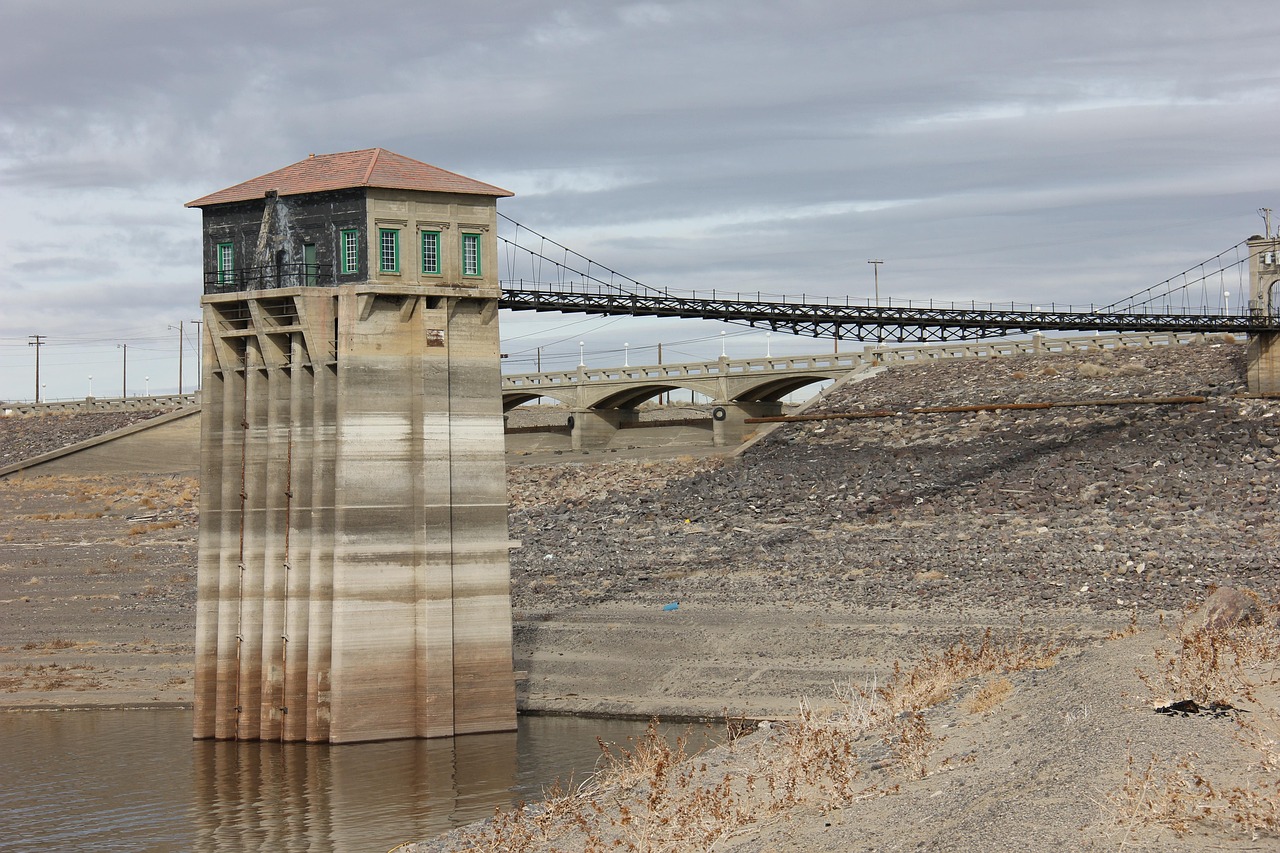
At times, the water level behind the dams may be lowered for a variety of reasons. The primary purpose is usually to create storage space for large inflows of water from winter snowstorms and spring rainfalls (Ohio’s peak flood season is November to April). Other reasons include allowing for dam repairs and inspections, dredging, and releasing sediment trapped by the dams.
This release of water through the dam to achieve lower lake levels is known as a “drawdown” and commonly occurs between November and March, depending on fall precipitation and other factors.
Because the USACE owns and operates the dams, they control the reservoir levels but work cooperatively with organizations such as the Muskingum Watershed Conservancy District and the Ohio Department of Natural Resources to coordinate the levels, rate of release and duration of a drawdown.
Some misconceptions about the lowered water levels exist, including over-withdrawal of lake water for uses such as generating electricity and irrigating farm fields. However, none of the water in these eight reservoirs is used for these activities. Although some water is withdrawn by the fracking industry, the amount of water is minimal and does not cause the low lake levels observed during the winter.
Other benefits of a drawdown
Lower water levels can be inconvenient for boaters and certainly less scenic, but there are other benefits to drawing down the reservoirs.
For example, lower lake levels expose the shorelines, which makes the control of aggressive and invasive aquatic plants (hydrilla and lotus) easier and allows for shoreline maintenance projects.
The shallower water also creates mud flat habitats, which are important for migrating and overwintering shorebirds. Species like sandpipers and yellowlegs can be observed in these muddy areas probing for worms and other invertebrate meals. Ducks and wading birds, like herons, become concentrated in areas with abundant food, making bird watching easier. Plus, there is always the possibility of a rare species showing up, like a peregrine falcon diving into a raft of ducks for a meal.
Some human hunters prefer lower water levels also. If hiking around the reservoirs this fall and winter, be sure to pay attention to where public hunting is allowed.
MWCD’s drawdown and refill schedule
This year, the eight reservoirs owned by the MWCD will be lowered between 5 and 8 feet, depending on the work planned. These drawdowns begin in November and occur over an average of 38.5 days or 5.5 weeks.
The rate of drawdown is determined by sediment loads and downstream habitats. Precipitation levels can also have a large impact on these dates and rates.
The raising of the water levels, known as “refill,” will be based on the completion of winter projects and weather conditions.
It does not take as long to raise the water level of a reservoir as it does to lower it, so the lakes should return to their normal levels by mid-March.
(Chris Stanton is a recovering college professor who taught biology and environmental science in northeast Ohio for more than 20 years. He now works in the Conservation Department at the Muskingum Watershed Conservancy District, where he coordinates water quality monitoring, research, habitat protection and sustainability efforts. He can be reached at cstanton@mwcd.org.)