


As November ushers in colder temperatures across northeastern Ohio, it’s an ideal time for horse owners to begin preparing for winter pasture management. While grazing may continue into the winter months, doing so successfully requires intentional strategies to protect both horse health and the long-term productivity of pasture systems.
Winter conditions present several challenges for managing horses on pasture. As temperatures drop, forage growth slows significantly, reducing the amount of available nutrition.
At the same time, wet or frozen soils become more vulnerable to compaction from hoof traffic, which can damage root systems and hinder spring regrowth. Additionally, limited acreage often faces increased grazing pressure during winter, raising the risk of overgrazing and long-term pasture degradation. Proactive management during this time helps maintain pasture resilience and supports horse well-being throughout the season.
Protect the pastures
One of the most important steps is to protect pastures from damage. Avoid turning horses out on wet or thawing ground, as hoof traffic on saturated soil leads to compaction and mud, harming forage roots and reducing spring growth. Designating a “sacrifice area” or dry lot for turnout during muddy conditions can help preserve pasture health.
Monitoring forage height is also essential. Before dormancy sets in, maintain at least 3 inches of residual forage. Grazing too short weakens plants and increases the risk of winter kill. After several hard frosts, limited grazing may resume — but always monitor residual height to prevent overuse.
Winter grazing is possible, but it must be approached with care. Dormant plants are vulnerable to damage, and wet soils are easily compacted. A general recommendation is to allow horses to graze for short periods—typically 30 to 60 minutes daily—to minimize impact.
Health risks
Horse owners should also be aware and prepared to manage nutritional risks associated with winter grazing. Cool-season grasses such as fescue and orchardgrass can accumulate elevated levels of non-structural carbohydrates (NSCs), or sugars, during cold weather. This is especially common after sunny days followed by cold nights, when photosynthesis continues but plant growth slows, leading to sugar buildup in the leaves. For horses with metabolic disorders or a history of laminitis, these elevated sugar levels can pose serious health risks. To reduce the risk, avoid grazing during high-risk periods and consider using grazing muzzles or dry-lot turnout with hay feeding. Regularly monitor body condition and consult with a veterinarian or equine nutritionist to develop a feeding plan tailored to each horse’s needs.
As pasture availability declines, quality hay becomes the primary forage source. Feeding free-choice hay helps maintain body temperature and digestive health. Using slow-feed hay nets can mimic natural grazing behavior and reduce waste.
Water access is another critical concern. Frozen water sources can lead to dehydration and increase the risk of colic. Heated buckets or tank heaters ensure consistent water availability and help horses stay hydrated.
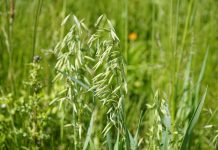
If winter annuals such as rye or oats were planted in late summer, they may provide grazing into early winter. If not, rely on hay and manage turnout carefully to avoid pasture damage. In northern climates like Ohio, pasture plants begin their annual growth cycle in the fall, so how you manage grazing and soil conditions in winter directly affects spring and summer forage performance.
Finally, don’t overlook hoof health and mud management. Winter mud can contribute to problems such as thrush and abscesses. Rotate turnout areas, use gravel or mats in high-traffic zones, and clean hooves regularly to support soundness and prevent infection.
Education opportunities
Interested horse producers can stay informed and connected with equine education this winter through two valuable learning opportunities offered by OSU Extension.
The 2026 Winter Equine Zoom Series, hosted by the Equine Team, will feature practical, research-based topics designed to support horse owners and managers across Ohio. This virtual series provides accessible, expert-led sessions focused on equine care, pasture management, and seasonal best practices. For full details and registration information visit: https://bpb-us-w2.wpmucdn.com/u.osu.edu/dist/d/14731/files/2025/10/Horse-Zoom-Series-2025-6.pdf
Additionally, mark your calendar for the Equine Exchange, a new in-person networking and educational event hosted by Ohio State University Extension Stark County in collaboration with Pegasus Farms Equestrian Center. This informal gathering will take place on Dec. 7, 2025, from 2-3:30 p.m., and offers a relaxed environment for horse owners and professionals to share experiences, ask questions, and build community. To RSVP or learn more, call 234-348-6145 or email neikirk.2@osu.edu.