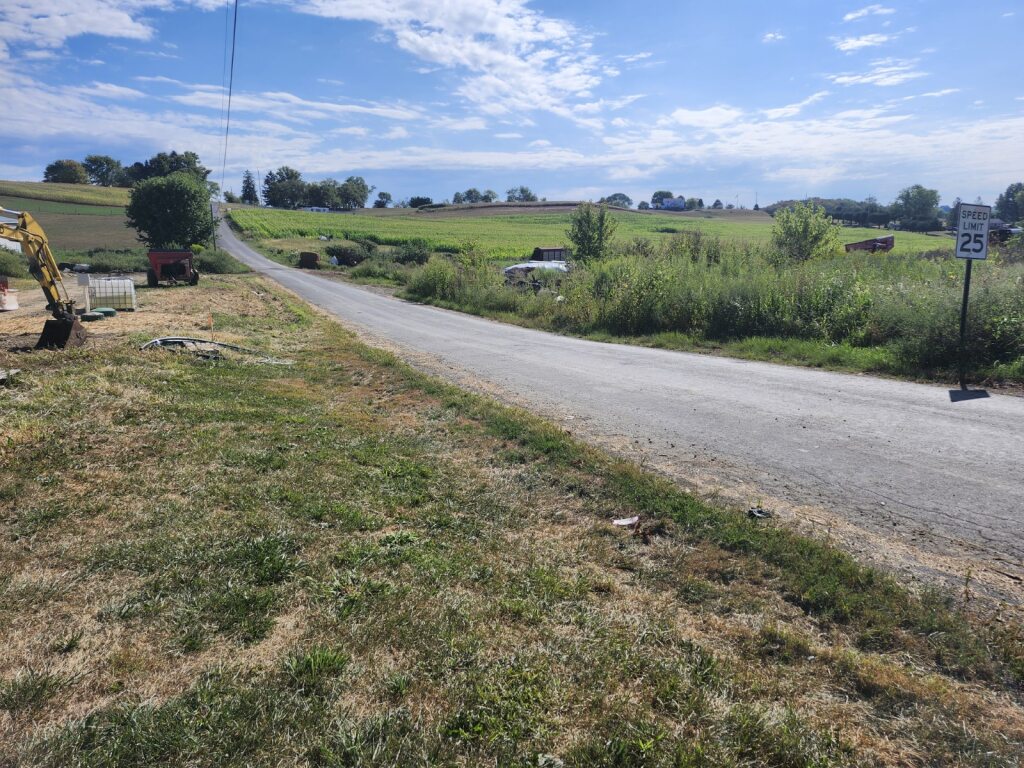
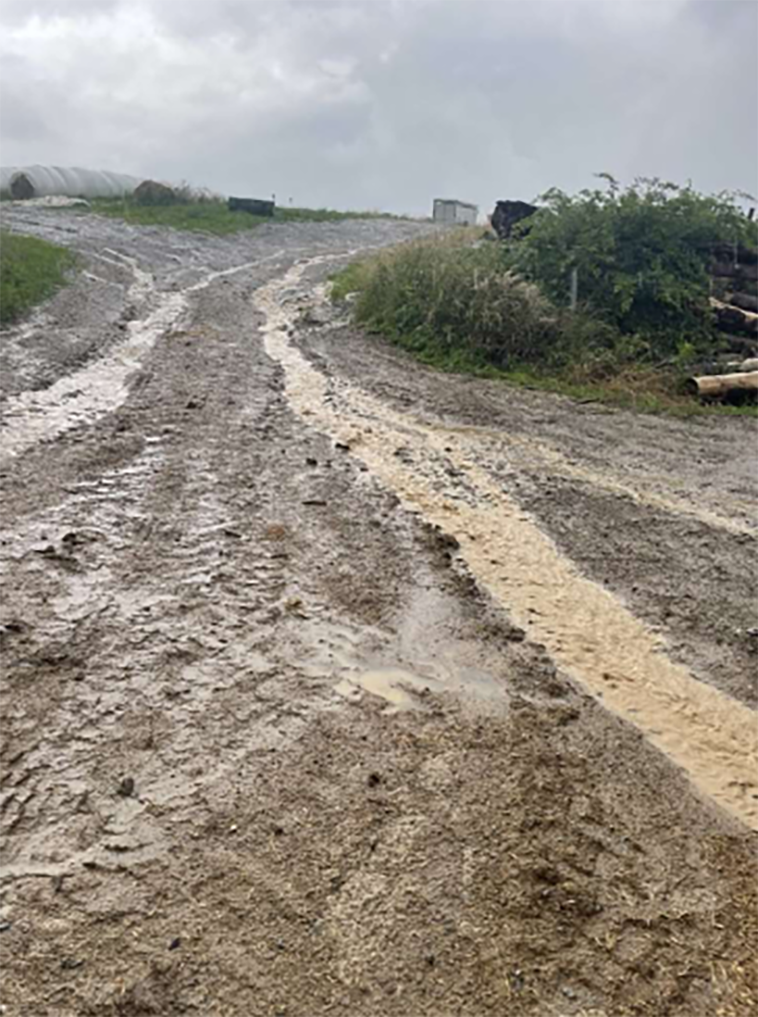
NORTH SEWICKLEY TOWNSHIP, Pa. — It began a couple of years ago with a complaint about mud on the road.
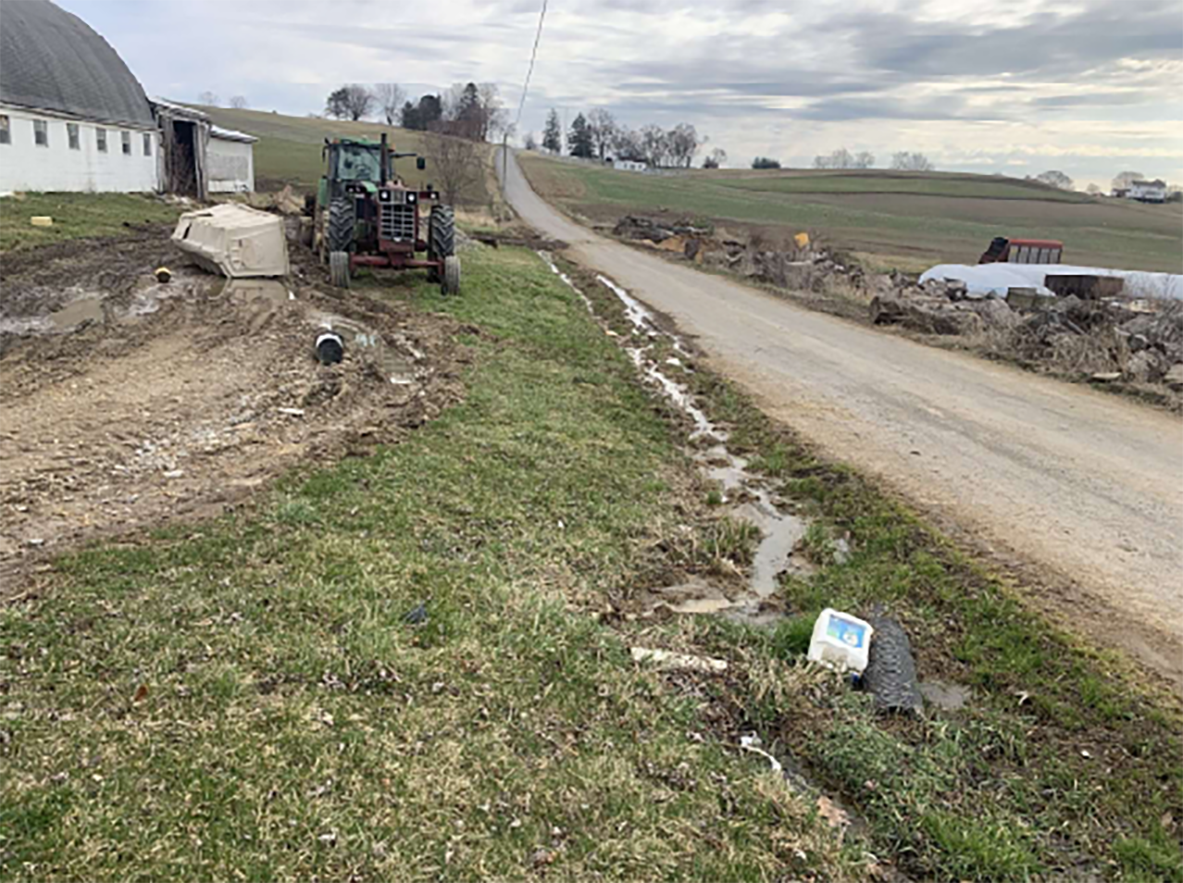
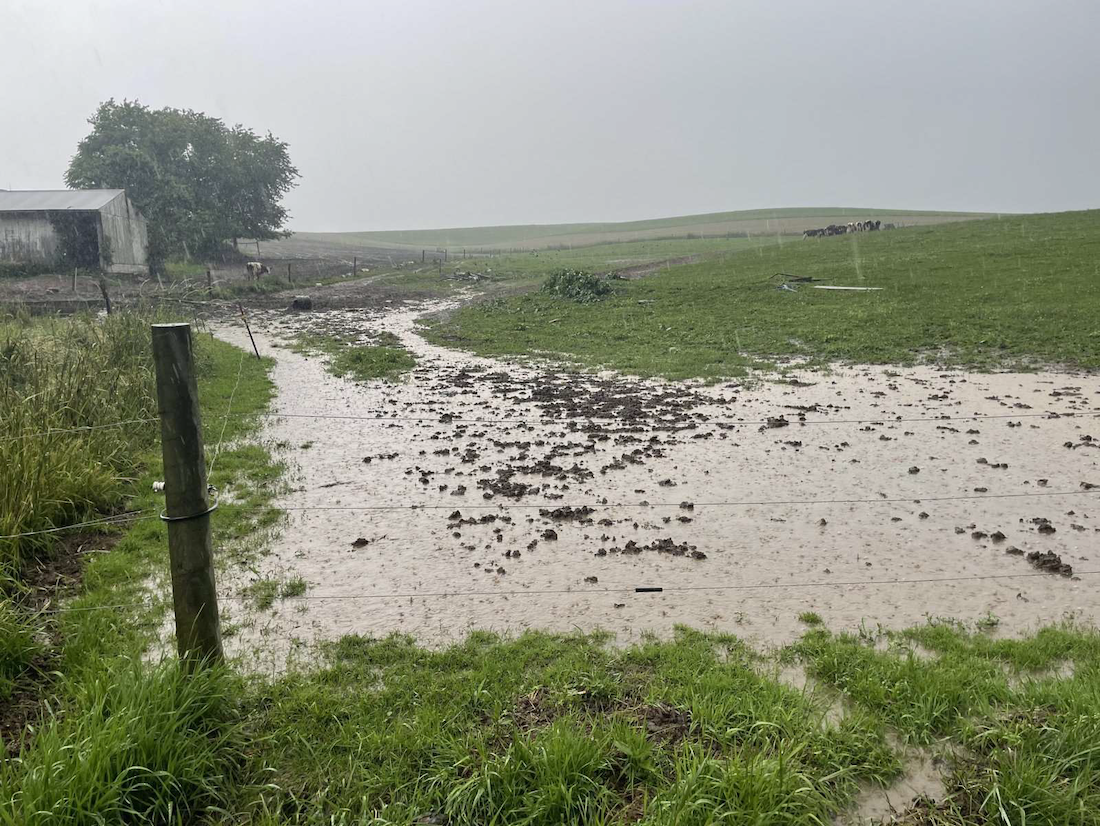
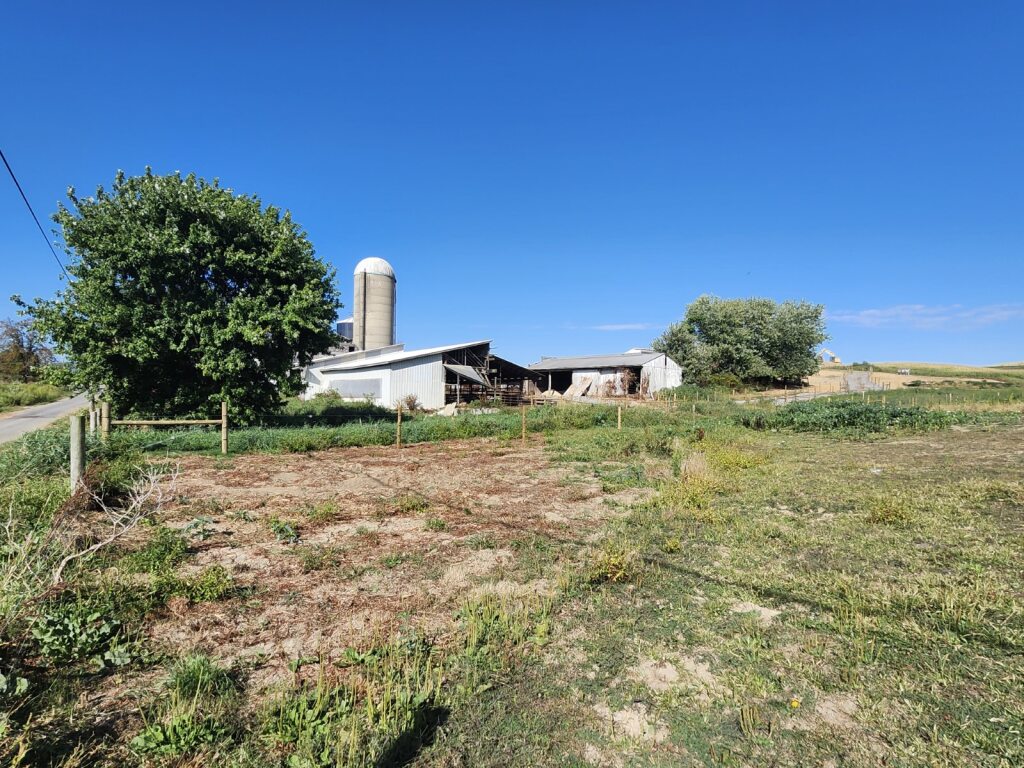
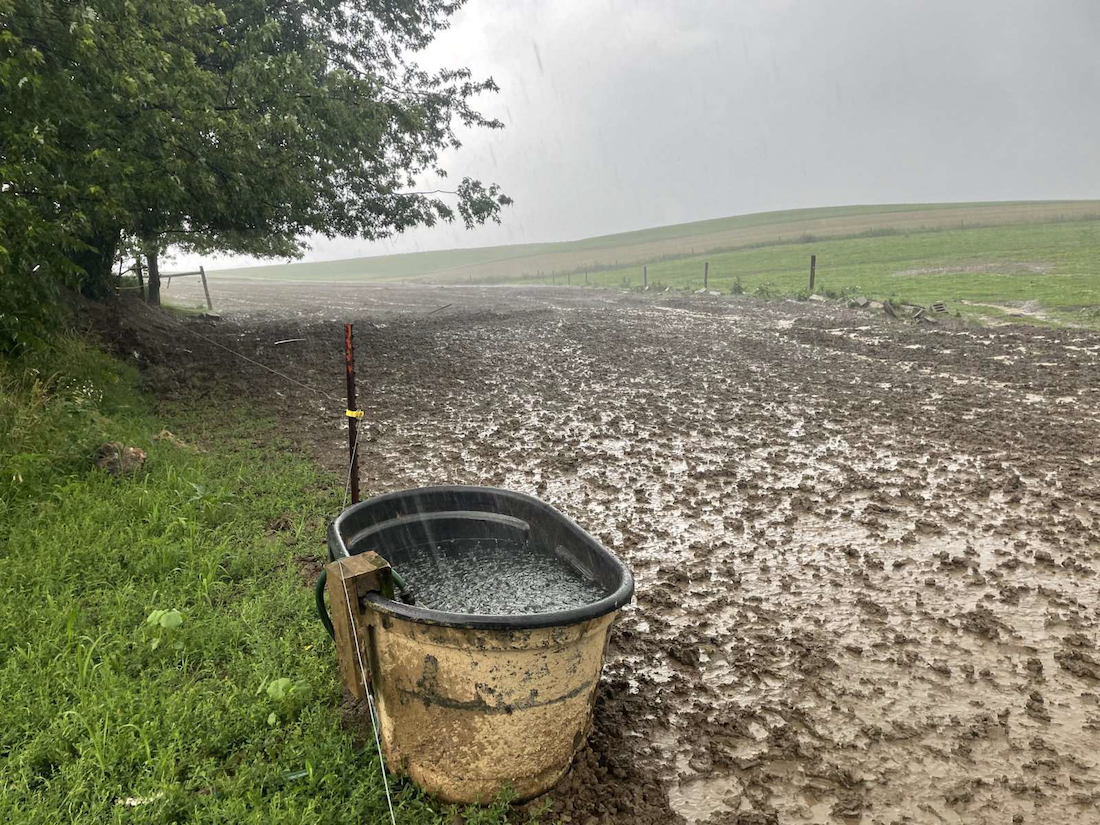
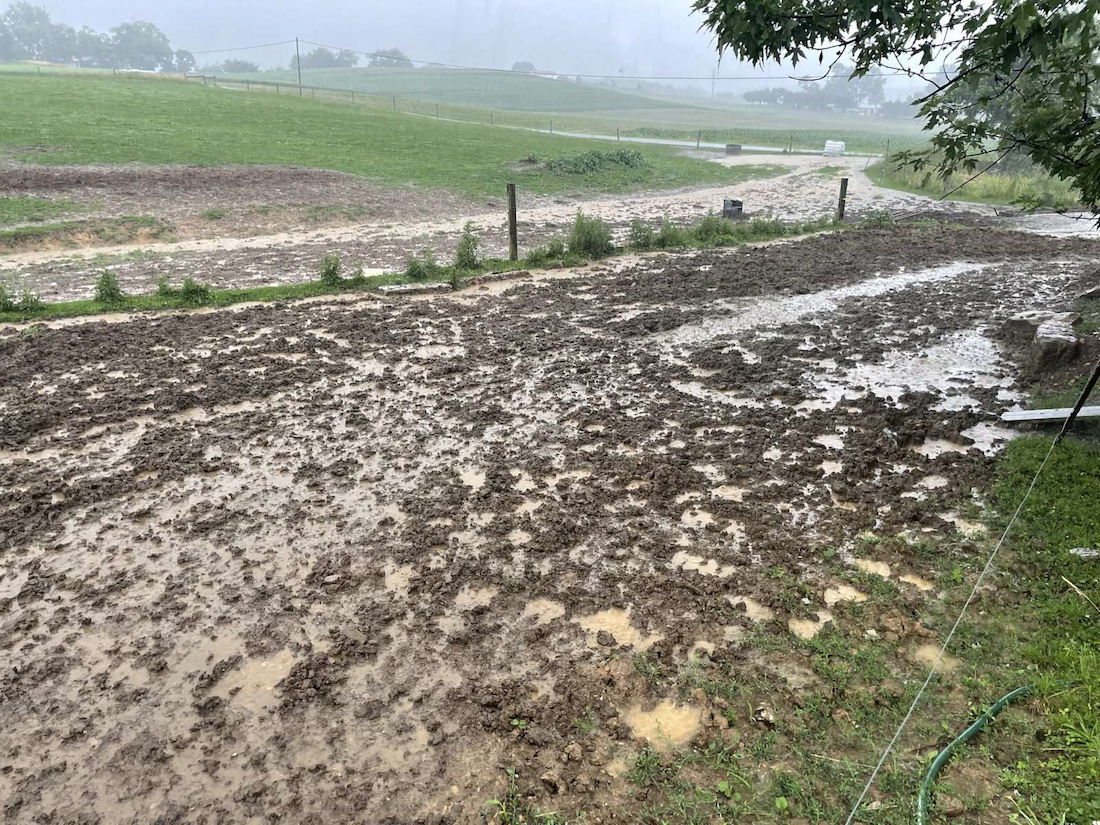
At the time, it was an unavoidable problem for the Wright brothers. Water and snowmelt drained off their hilltop fields into a small wetland near the barn where they housed, fed and milked about 70 dairy cows in tie-stalls. Mud and runoff were a fact of life on the farm in the winter and spring.
Their silage bags were stored in one of the few flat areas on their farm that just happened to be across the township road from their barn.
The anonymous complaint landed on the desk of Jeff Pflugh, director of the Beaver County Conservation District, who approached the Wright brothers with a possible solution. Some funding had just become available from the state for agricultural conservation projects.
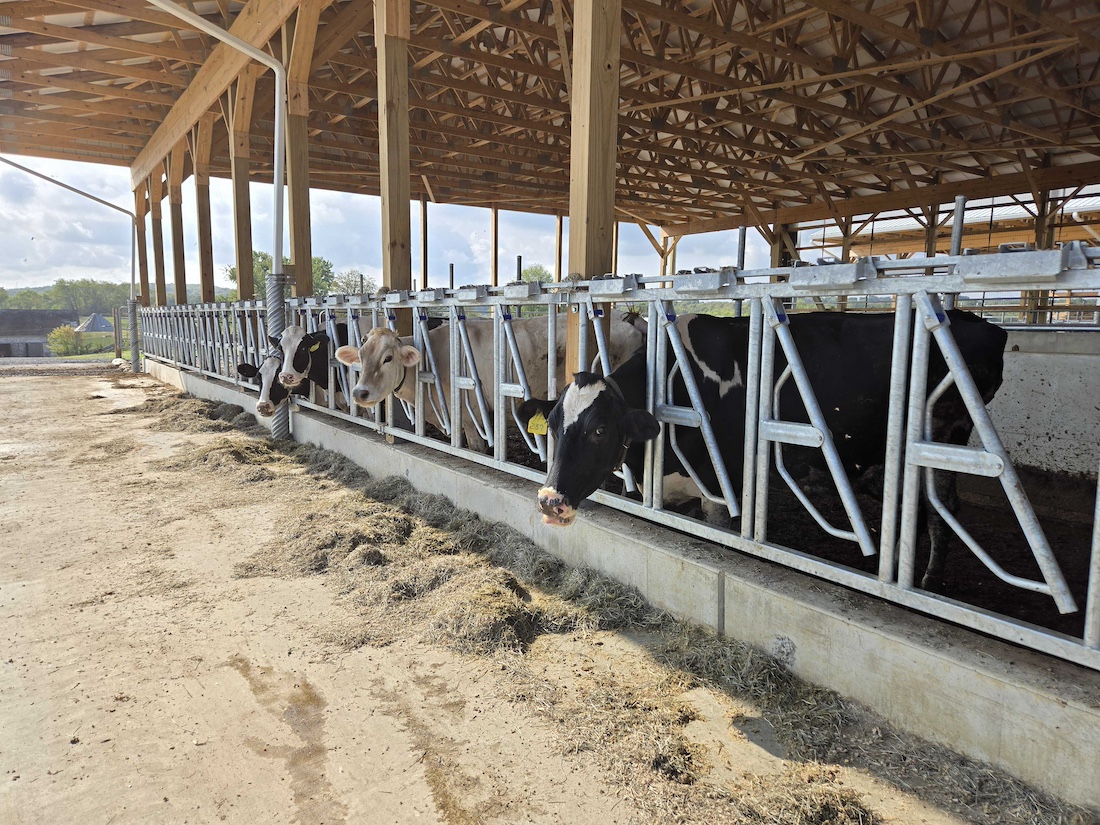
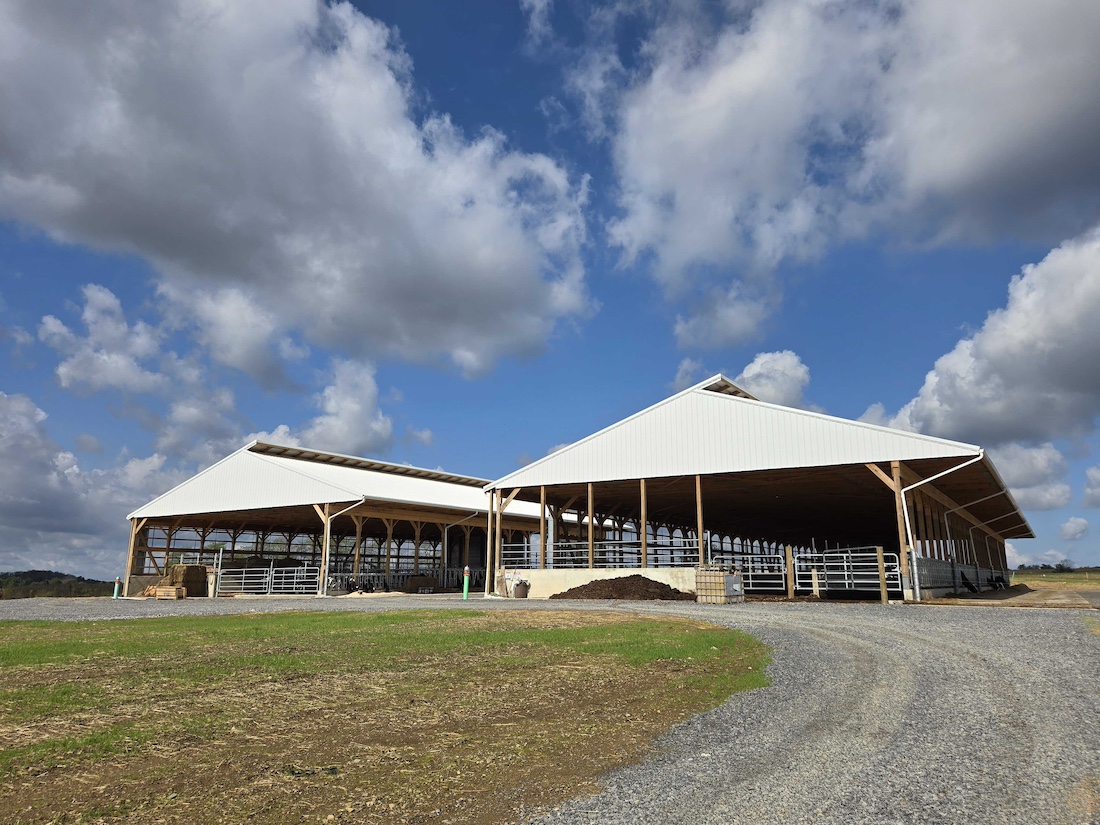
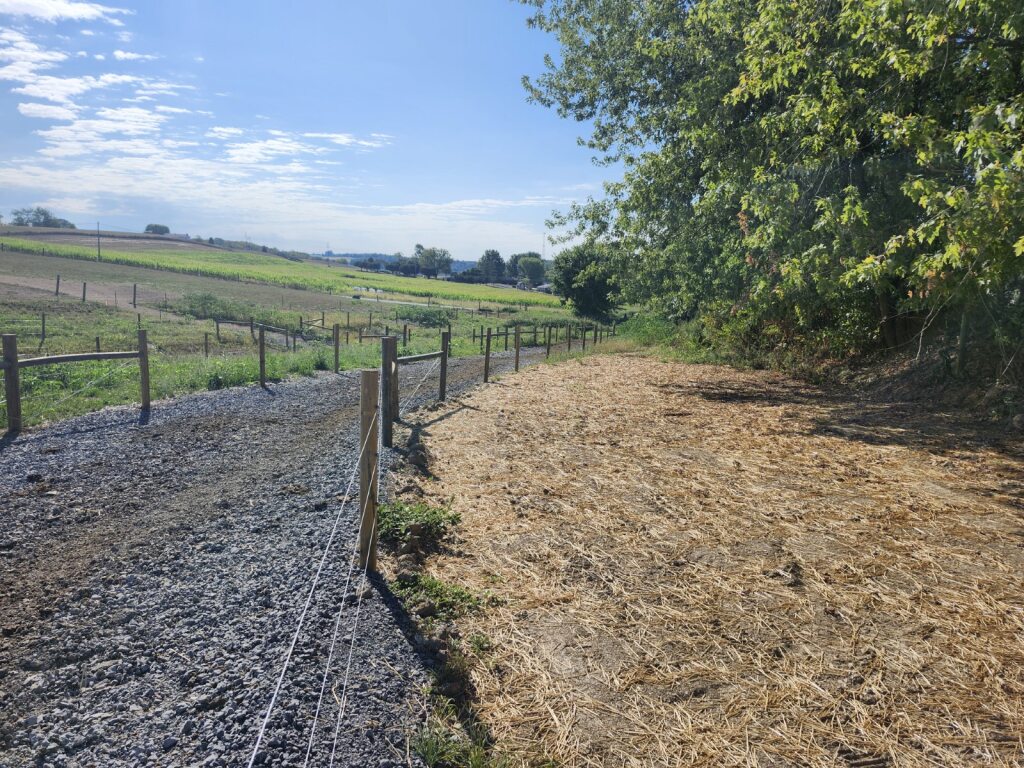
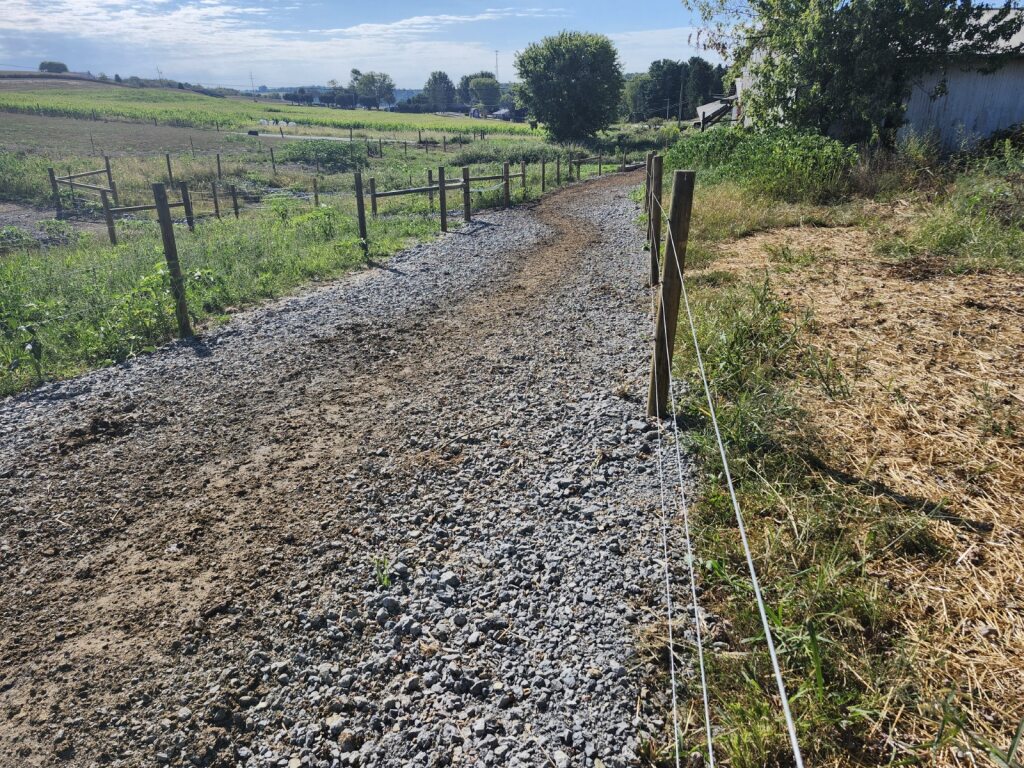
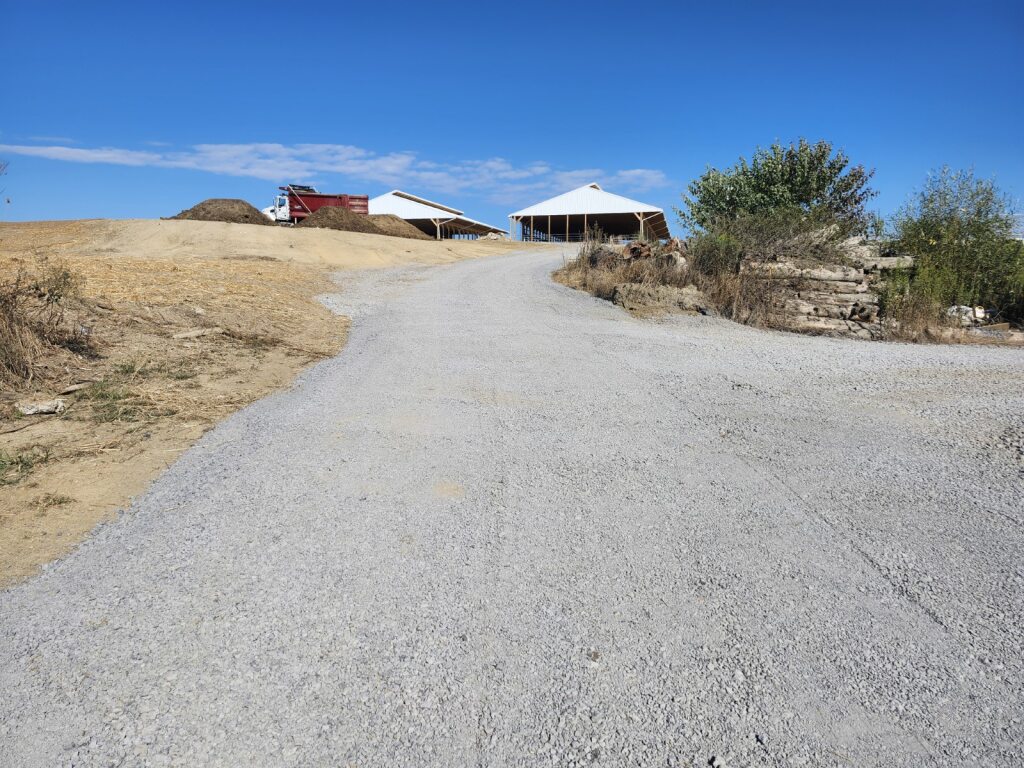
With Rob and Dan Wright on board, Pflugh and his team at the conservation district put together a comprehensive and collaborative $3 million project that included two covered heavy-use areas, manure storage, access roads, animal walkways, fence and more. The cost to the Wright brothers was $550, Rob Wright said, for a couple of permits they couldn’t get reimbursed for.
The work was intended to improve water quality on and around the farm, protecting the nearby Brush Creek. But it’s also transformed the way the farm operates, reducing the amount of manual labor needed, increasing cow comfort and allowing the brothers to dream of expanding their herd.
“As long as someone can pick up milk, we’ll be here,” Rob Wright said.
Coordinating cost sharing
The project started with $450,000 from the state’s Agricultural Conservation Assistance Program, or ACAP, which allocates state money to county conservation districts to implement best management practices on farms.
ACAP began in 2022 with an initial slug of $154 million in federal COVID recovery funds, and it was so well-received that the state legislature worked it into the state budget in 2024, giving it a dedicated funding source through the Clean Streams Fund. ACAP now allocates about $35 million annually to the counties, administered by the Pennsylvania State Conservation Commission for the Pennsylvania Department of Agriculture
The counties have the flexibility to use the money how they see fit within the umbrella of selected conservation best management practices. Because of this, ACAP pairs well with other funding sources, like ones that require cost-sharing, according to Justin Challenger, director of financial and technical assistance programs for the PSCC.
The Wrights initially applied for, but did not receive, funding through the U.S. Department of Agriculture Natural Resources Conservation Service’s stringent Environmental Quality Incentives Program, or EQIP, a cost-sharing reimbursement program.
However, the conservation district board approved the farm for more accessible ACAP funding in 2023. The $450,000 from ACAP was a good start, but it wasn’t enough to complete the full scope of the work needed at the Wright brothers’ farm. So, Pflugh and his team explored other funding options.
With help from the conservation district, the Wright Brothers Dairy project received $2.2 million from the Pennsylvania Infrastructure Investment Authority, or PENNVEST, and $370,280 from the Pennsylvania Department of Environmental Protection’s Growing Greener program, both of which fund water quality projects.
Pflugh had used ACAP funding to complement USDA-NRCS projects or in combination with Growing Greener funds in the past, but the scale of the Wright Brothers’ project was unique. Never before had the county conservation district taken on a multi-million dollar project.
“These guys were guinea pigs for doing this sort of collaborative funding project,” Pflugh said.
There were challenges with marrying the funding sources together, as each program had different terms and conditions. Rob Wright, though, gives all the credit to Pflugh for getting them through it.
“The trials and tribulations in engineering and getting through the hoops of paperwork,” he said, “This does not happen without Jeff.”
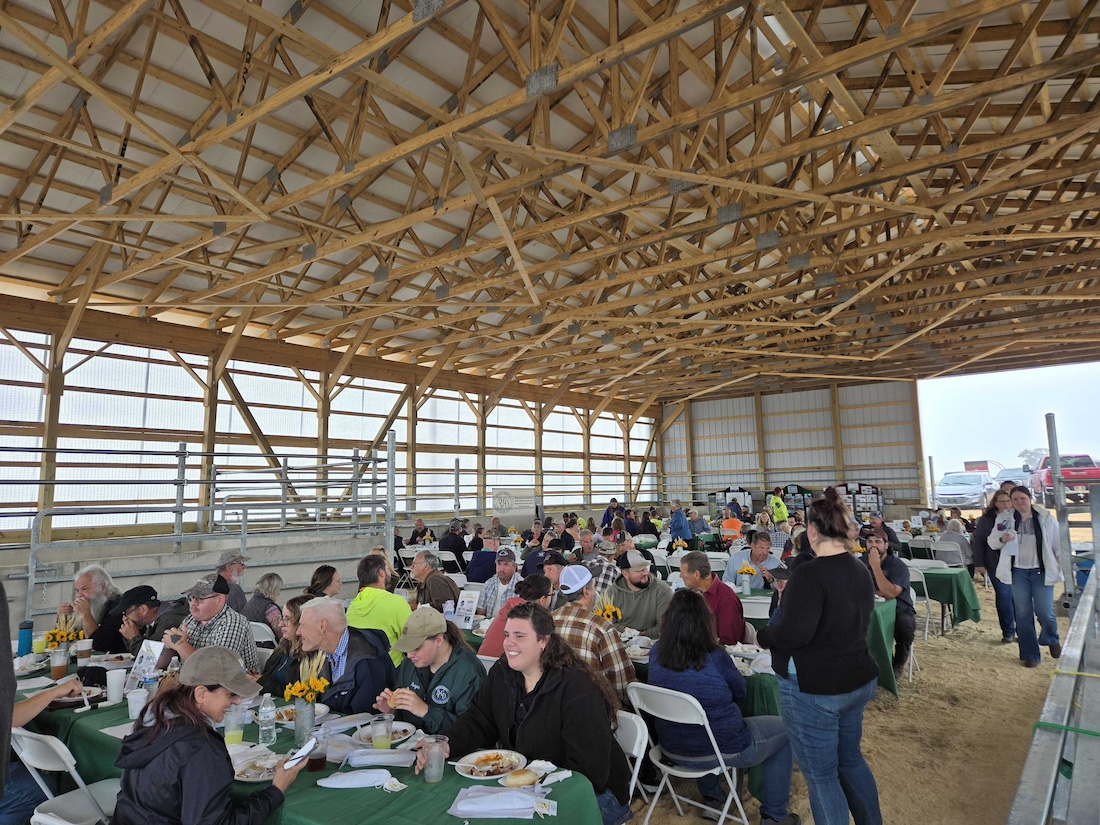
Construction on the project began earlier this year and was finished in September. The Beaver County Conservation District hosted an open house at the farm on Sept. 4 to celebrate the completion of the project.
“ACAP is what helped make this whole project happen,” Challenger said during the open house. “If we were to ask a farmer to put in half a million dollars into a project, that’s likely not going to happen, right? That’s a big barrier to making the whole comprehensive project work, but that’s what it takes to really make meaningful impacts across the state.”
A sustainable future
Without the new facilities and infrastructure, Rob Wright said there’s no way his children or his brother’s children would want to take over the farm. The back-breaking work of milking, feeding and cleaning out the bottom of the old tie-stall barn was not appealing to the next generation, although it was a necessity for the Wrights when they took over the farm from their grandfather, Duane Douglas. Douglas had been milking in that barn since he bought the farm in 1970.
Rob Wright returned to the farm in 2003 after graduating from high school. His brother, Dan Wright, followed him a few years later, and the two formed Wright Brothers Dairy LLC in 2009 with their younger brother, Chris. They also farm about 500 acres to feed their herd and sell cash crops.
In the old barn, they had to haul and spread manure every day to keep the barn clean. Feeding the cows involved unloading feed from the TMR mixer into a wheelbarrow and pushing it by hand through the narrow alleys in the barn.
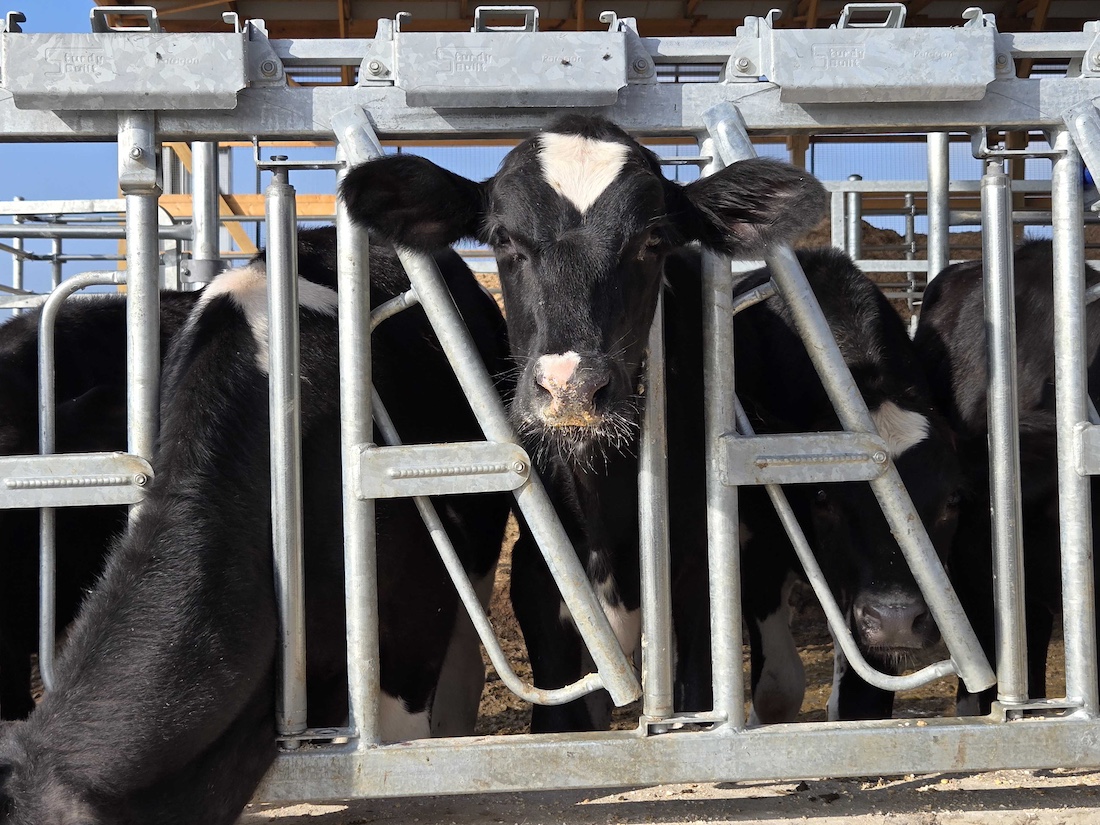
Now they can drop feed directly from the TMR mixer. The cows loaf comfortably in the modern, breezy free-stall heavy-use areas. There’s one building for young stock and one for cows. With the new manure storage pits, Rob Wright said he hopes to spread manure about once a month now.
Rob and Dan Wright are still walking the cows back down to the old barn for milking twice a day, but they hope to have a new milking parlor built within five years.
For now, the upgrades at the farm have already eased the strain on their bodies and freed up some of their time, and the cows are much more comfortable.
“They’re really happy,” Rob Wright said.