





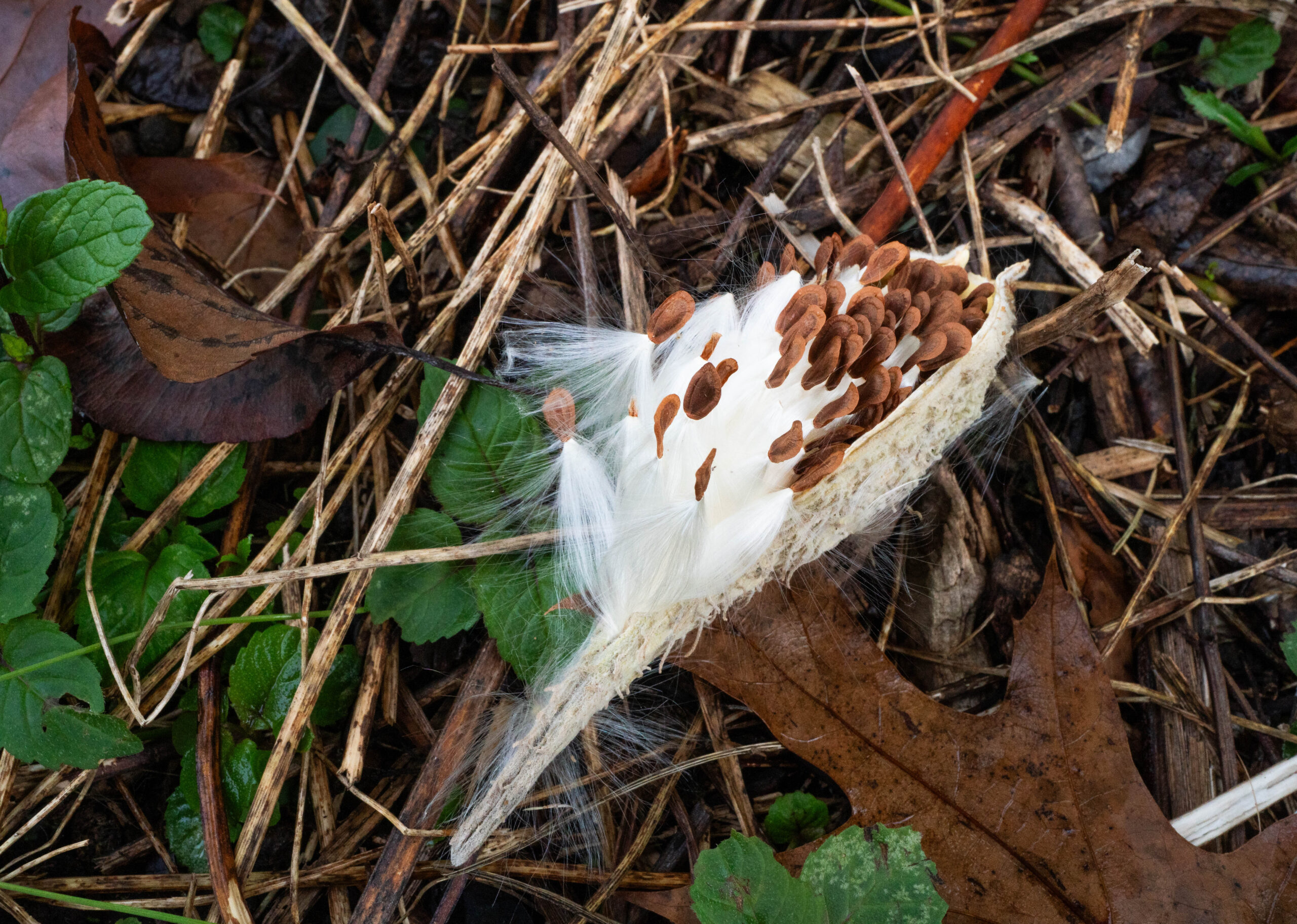
BETHEL PARK, Pa. — The gardening season is coming to a close, but don’t pack up the rake just yet. Right now is the perfect time to plant milkweed seeds — a plant that the U.S. Forest Service calls “nature’s mega food market for insects.”
Numerous insects feed off milkweed flowers, including many pollinators like bees, butterflies, wasps and beetles. For some of these pollinators, like the monarch butterfly, milkweed is essential to their survival.
Why should you plant milkweed?
Pollinators are vital to the preservation of our food system, as roughly 35% of the world’s food crops depend on animal pollination to reproduce. This equates to one in every three bites of food a person eats, according to the U.S. Department of Agriculture.
But, each year, pollinators are dying more rapidly than the last. This year, commercial beekeepers reported historic honey bee declines, losing over 60% of their bee colonies since last summer, reports the USDA.
Butterflies are also on the decline; monarch butterfly populations have decreased by over 90% in recent years, according to the National Wildlife Federation.
A number of factors are leading to pollinator declines, including habitat loss, invasive species, pesticide usage and more. Planting native plants like milkweed will help combat some of these challenges.
Milkweed will specifically benefit monarch butterfly populations, as it is the only thing their caterpillars eat. Known as their “host plant,” monarch caterpillars and butterflies depend on milkweed for reproduction and as a food source.
How to select milkweed seeds?
Before planting milkweed seeds, it’s important to select seeds native to your region. In Pennsylvania and Ohio, there are several native milkweed species, including common milkweed, butterfly weed, swamp milkweed, purple milkweed and four-leaf milkweed.
Which milkweed plant you select should depend on where you plan on planting the milkweed and when you want it to bloom. For example, common milkweed — the most common species of milkweed — often grows in open fields and along roadsides, and blooms from June to August.
Butterfly milkweed is most commonly found in gardens. It grows best in full sun or partial shade areas with well-drained soil and blooms from June to September. It is important to do your research on milkweed species before buying seeds.
Ohio State University Extension and Wild Ones Western PA Chapter have more information about specific milkweed species. For more information on Ohio natives, visit butler.osu.edu/news/choosing-milkweed-species-your-garden.
For more information on Pennsylvania natives, visit westernpa.wildones.org/native-milkweeds-asclepias-spp-that-can-be-grown-in-western-pennsylvania-gardens/.
Seeds can be purchased at various online gardening sites or local plant stores that carry native species.
Scouting for milkweed pods is also a good — and free! — way to locate (native) seeds. You can do this by taking a walk around your local park or any outdoor space where milkweed is growing.
Why plant now?
Fall is the best time to plant milkweed, as the seeds need to go through the process of cold stratification to germinate. The seeds will freeze over winter and thaw in spring, which softens the seed coat, allowing the plant embryo to grow in spring. Seeds can be planted from now until the soil freezes.
Milkweed can be planted in spring, too, but you will have to mimic this natural wintering process by preparing the seeds and placing them in a refrigerator for several weeks.
How to plant milkweed seeds
Step 1: Pick out a space to plant the milkweed. This space should depend on the type of native milkweed you have selected. Most milkweed plants require full sunlight, but again, researching your specific milkweed species is key.
Step 2: Prepare the soil. To do this, you should clear out existing vegetation and loosen the soil with a rake. Add compost (if you have some), as this will provide nutrients to the seeds.
Step 3: Scatter the seeds. The seeds should be at least a 1/4 inch to 1/2 inch apart. Then, use your rake to gently work them into the soil. OSU Extension recommends covering them with 1/4 inch to 1/2 inch of soil.
Do not pack the soil down, as it is important to have air flow to prevent mold and fungus from growing.
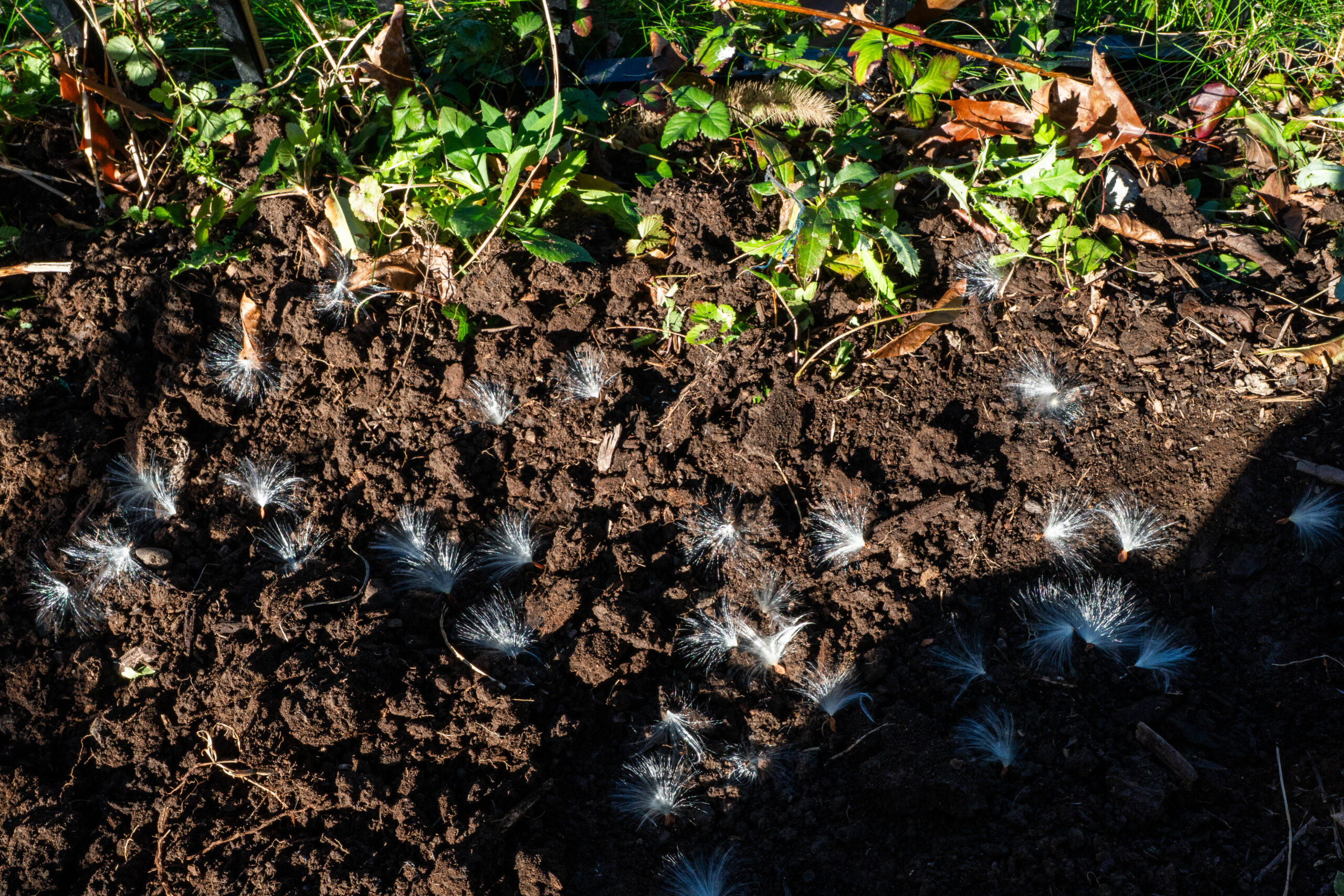
Step 4: Sprinkle the area with water (if dry). DO NOT overwater the seeds. Only a little bit of water is required to make sure the seeds stay in the soil and soak up moisture.
Note: If it’s supposed to rain soon, you can skip this step.
Step. 5: Cross your fingers and wait for spring. The seeds will not germinate and sprout until spring. So, in the meantime, remember where you planted them — either by memory or marking the spot — and try to stay warm over the colder months by making yourself a hot beverage or bowl of soup. You deserve it; you helped support your local pollinators.
(Liz Partsch can be reached at epartsch@farmanddairy.com or 330-337-3419.)





Thanks Liz, such an important reminder and perfect timing too. I love how planting just a small patch of milkweed can actually make a real, measurable difference for monarchs and other pollinators. It’s empowering to know that backyard gardeners can be part of the solution. Definitely adding a few native milkweed varieties to my fall planting list!