




As a teen growing up in rural Ohio, I spent a lot of my time practicing the fine art of escapism. Following the examples of such classic writers as Patrick McManus and Bill Watterson, I would catapult my way through any open door as soon as I heard the rumor of forced labor — code name “chores.”
Unbeknownst to the adults and pseudo-adults (aka big sisters) left behind, those explorations into the countryside ended up being far more important to my future than trimming sidewalks, pulling weeds or mowing yards.
With fishing rod in hand or the old surplus binoculars dangling from my neck and a soon-to-be burr-infested dog following, I’d meander about to see what I could find. Sometimes it would be some sort of weird, big-eyed caterpillar or a fish that wasn’t quite a bluegill that forced me to visit the library to explore encyclopedias and field guides. Of course, there were also a few times that my jaunts led me to the local Rexall Drug Store to learn about chiggers and poison ivy … lessons that left me itching for knowledge.
The library had become something special — a world of words and pictures that held so many answers to the questions I was discovering. Without computers, I learned how to decipher Melvil Dewey’s cataloging system and soon found that one discovery often led to more questions, a trait that became valuable during the investigative ventures of my future career.
One evening, while exercising the privileges granted by my freshly printed driver’s license, I was teasing smallmouth bass along Little Beaver Creek. It was well into the evening, the sun having dipped below the wooded hilltops, allowing the dark shadows of night to swiftly creep into the valley. I was never one to fear the dark; to me, it was a new world with different creatures creeping from their hides. This was nature’s third shift and I was the night watchman.
As I listened to a barred owl asking me, “who cooks for you,” my attention was caught by the moonlit wake of a muskrat crossing the pool I’d been fishing. It looked a little too big…a beaver? Certainly possible; there were plenty in the watershed. That’s when I saw the first of two ghosts haunting the edge of the woodlot.
Foxfire
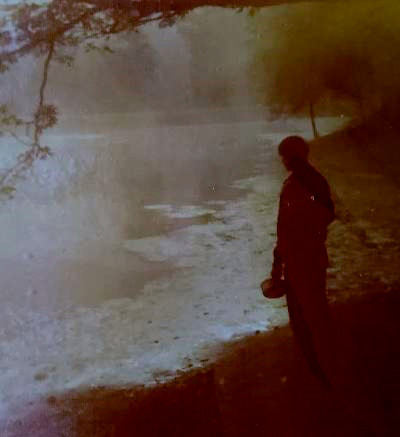
A shimmering glow seemed to flicker close to the ground before creeping its way up a decaying tree. Nearby, a rotted trunk that I’d explored earlier joined the spectacle. “Foxfire,” I murmured. I’d never seen it, but some past library excursion conjured the name as if that itself was the spell that brought it to life.
Foxfire is created by a fungus that can grow on decaying trees and logs. It’s believed by some that the glimmer attracts insects that might spread its spores to new, inhabitable areas. Another theory suggests that the eerie iridescence warns off animals that might eat it. As my eyes continued to adjust to the night’s darkness, the dim glow began appearing haphazardly through the woodland nearest the creek.
While the name foxfire offers the very essence of folklore, its enchanting synonym “fairy fire” beckons images of hidden elves dusting the woodlands with their magic for us to see until sunlight causes it to disappear. It was while I examined that phenomena that the second apparition materialized.
Luna moth
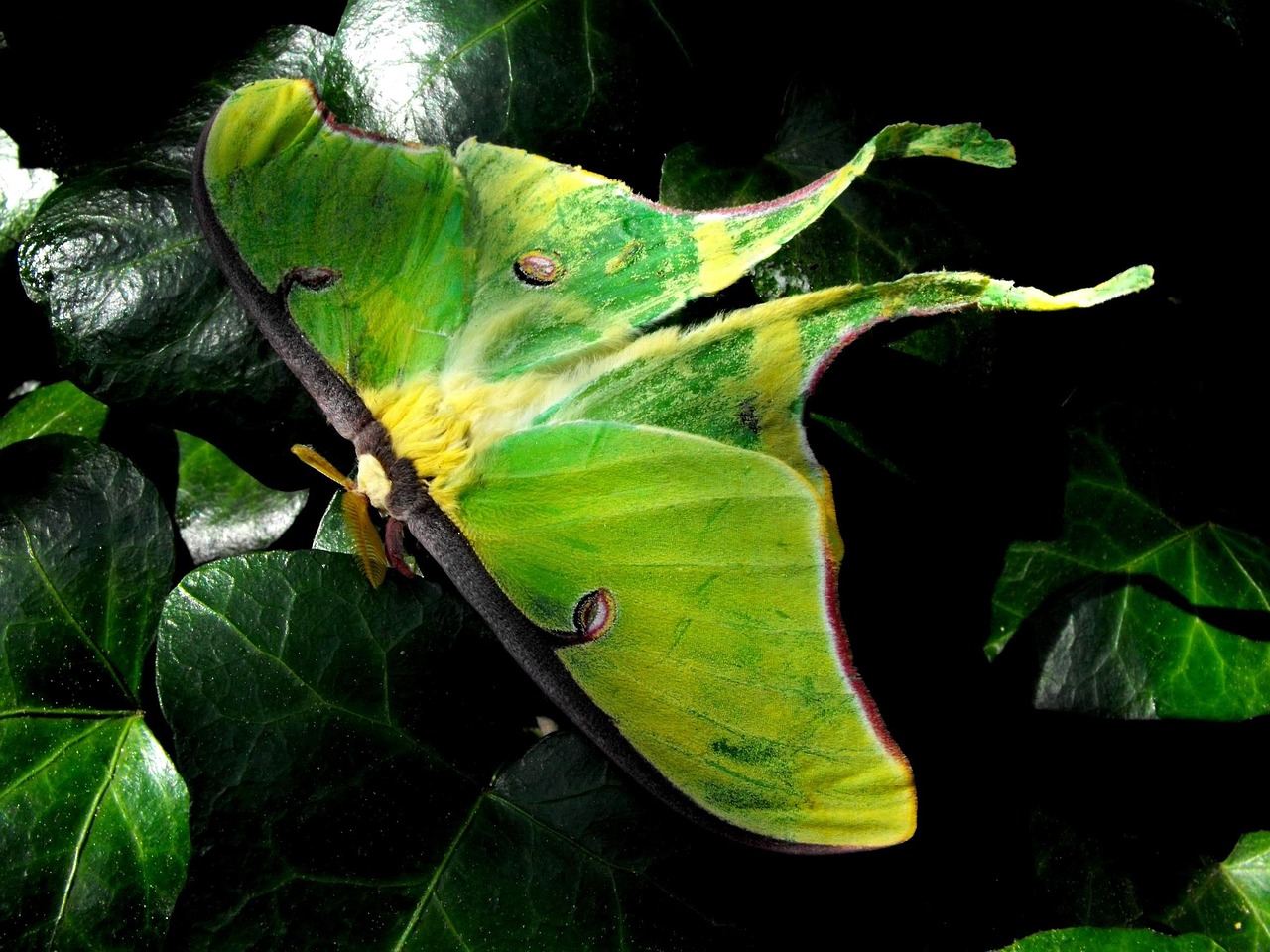
Unlike the glowing foxfire, it was not stationary but drifted silently among the trees; its whitish hue polished by the rising moon as it drifted head-high among the maples, poplars and oaks. I walked slowly toward its flitting form and it landed almost obediently on a large beach tree’s trunk. This was also a first encounter, but one that I already recognized. A hand-sized luna moth — not a ghostly white at all, but colored a softened shade of faded jade.
The luna moth, also dubbed the moon moth, had kite-like tails that swelled its size and mystic manifestation. Its eye-spotted wings gave the appearance of looking back, even winking at me as it flexed its wings, an indecisive decision whether it should flee to an unproven safety. While fairly common, they’re seldom seen because of the moth’s nocturnal lifestyle and our human propensity to stay out of the forest at night. They’re known to hatch from their cocoons generationally, often first arriving in April with others hatching 10 weeks later. Three such appearances can mark an Ohio summer.
As I packed up to head home, I found myself wanting to learn more about that night’s performance of Fantasia and of what I’d witnessed. I’d eventually make my way back to the library, then college, then through life — and I will always treasure nightfall’s mysteries of nature’s third shift.
“We’re so busy watching out for what’s just ahead of us that we don’t take time to enjoy where we are.”
― Bill Watterson, Calvin and Hobbes