



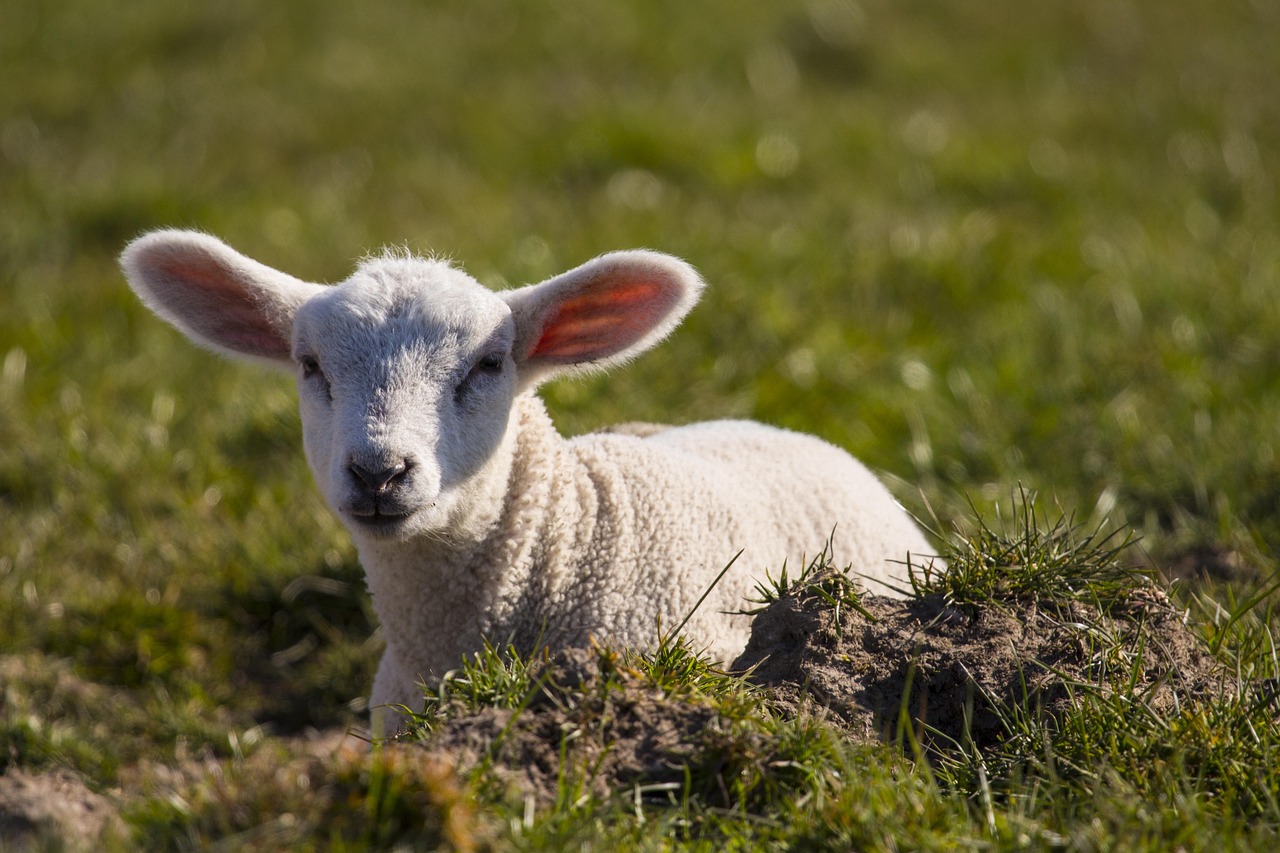
Spring is the time for babies: babies in the barn, babies in the brooder, babies in the field, baby seedlings sprouting in the greenhouse and in the soil. It is an embarrassment of riches. But after the initial euphoria wears off, it is hard to fully appreciate the adorableness of all those babies in the rush of the responsibilities that follow.
By now, in mid-August, the earliest lambs are nearly as big as their mothers, as are the chicks, and the calves aren’t far behind. The garden is overrun with leaves and vines, much of it retreating to seed, preparing for the cold ahead. The days are still long and still hot, but in the life cycle of our ecosystem, the period of new growth has ended, and the time for endurance beckons.
For better or for worse, however, there are always outliers. At the beginning of September, I usually try to plant some hardy greens in lick barrels in the greenhouse. If I time it right and coddle them once the cold sets in, we often still have greens at Christmas. And every year, there are a few animals that have the same mindset and ignore the usual timeline for bringing babies into the world.
This has become a tradition with one of the barn cats, Tigery. Her mother was the same. In fact, her mother gave birth to her first litter in October seven years ago, just hours before a massive winter storm. As a result, we ended up with a box full of kittens and a nursing mother in our bathroom. We’ve had worse guests.
Due to internal cat politics, Mama Cat was eventually ousted from the barn, a terrible blow considering her expellers were her own grown children. When it became clear that she was getting run off, her babies unintentionally abandoned, I once again brought her and her kittens into the bathroom.
That same year, we had to adopt a late-season hatching of chicks whose mother met an unfortunate end under the hoof of a horse. The kids were daily visitors to the large makeshift brooder we built to house them, sprinkling handfuls of grain, grass and unlucky caterpillars through the round wire. At the sound of approaching footsteps, a joyous chorus would resound from within the walls. Humans meant treats!
By the time the kittens and chicks were a month old, they were no longer content to be contained by a box and brooder, respectively. The first morning we left the brooder door open, they ate their breakfast, then followed our voices to the patio. Unlike the full-grown chickens, the slatted porch fence and gate did not deter the chicks, and they became regular visitors, pecking at the sliding glass door if we weren’t outside to play with them.
Meanwhile, if the bathroom door was left ajar, tiny balls of fluff were suddenly found napping in the adjacent laundry room or, less blissfully, attempting to scale our bare legs when we walked past. Many, many times a day, I’d find myself literally ‘herding cats’ as I tried to keep them from overtaking the house.
If this all sounds annoying, I assure you, to my husband, it very much was. For my part and the kids’ part, we loved it.
Well, we stopped keeping roosters a few years ago, so there are no new chicks this summer. And Tigery just had her latest litter, but it’s still plenty warm, so everyone is fine in the barn. In other words, the chances of a late summer baby that needs our extra ministrations are slim.
It is not, however, zero. I didn’t put two of my Finnsheep in with the ram last winter so they could have babies in the fall instead (and we could have milk this winter). That means we should have lambs born any day. I hadn’t even thought about it until this week, but in light of the four sets of quadruplets that were born this spring, that also means we may very well have a bottle lamb soon. And you know what? I’m okay with that.







Thank you for sharing your experiences! Reading about the late-season births on your farm really reminded me of the joy and surprises that come with animal husbandry. It’s amazing how each new arrival, whether a lamb, chick, or kitten, brings so much energy and happiness to the farm. Your story makes me excited to start my own small farm someday