

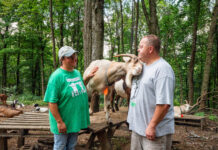
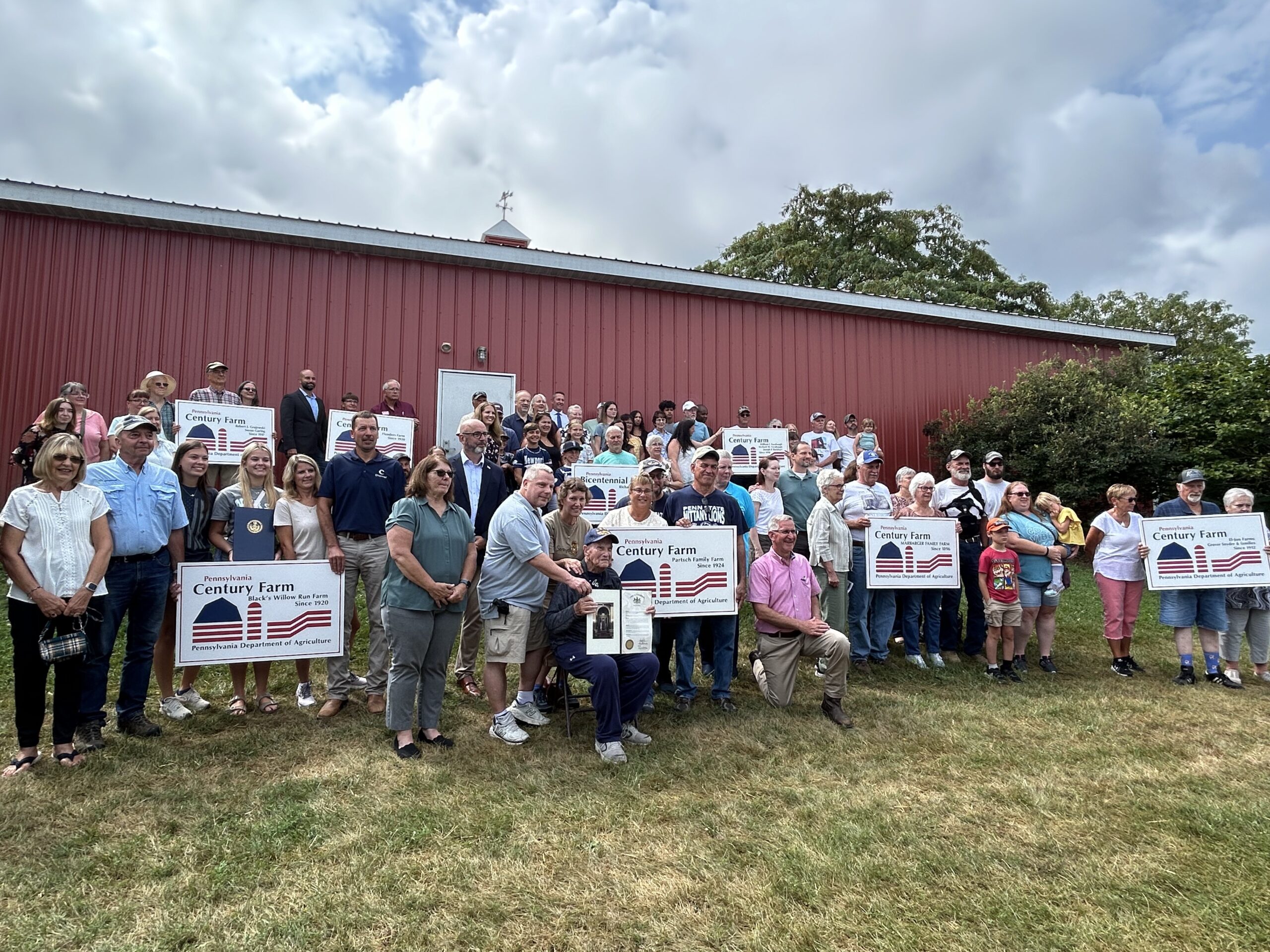
PENNSYLVANIA FURNACE, Pa. — For Cecilia Partsch, the Century Farm designation is more than a recognition of her family’s long history in Cambria County. It brings back memories of the people she loves the most and honors all those who came before.
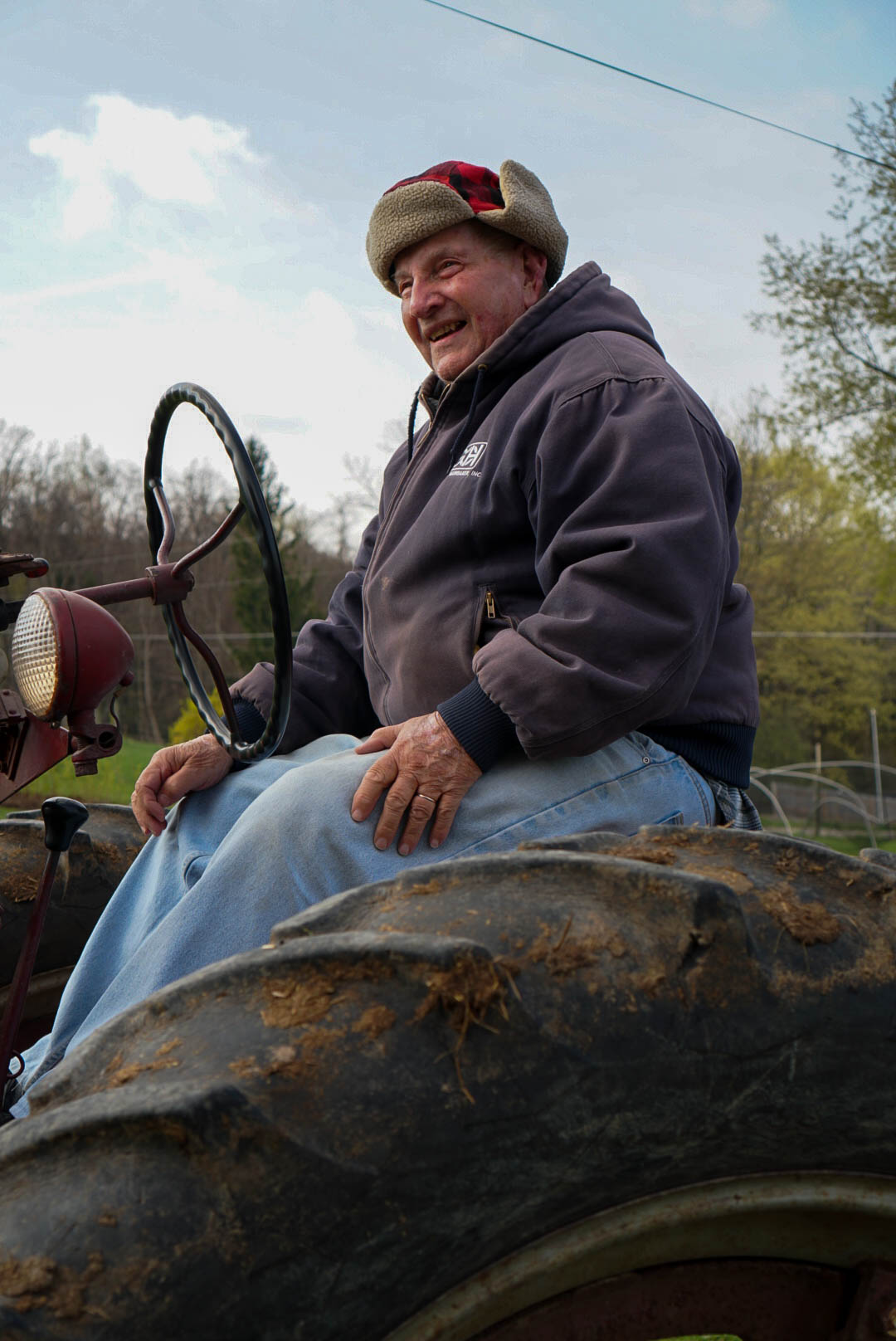
One of these people is her father, Harold Partsch, 89, who was in attendance at Penn State’s Ag Progress Days on Aug. 14 for the ceremony.
“I’m grateful to be able to have my father here. We didn’t know if he was going to make the trip, but he made the trip with us today,” she said. “I followed my dad around all the time, and he took me under his wing and treated me just like one of the boys,” Cecilia said, who has four brothers.
The Partsch farm was one of seven Century Farms — three in western Pennsylvania — and one Bicentennial farm to be recognized at the ceremony.
The eight families were honored with signs by the Pennsylvania Department of Agriculture Secretary Russell Redding, who remarked that the Century and Bicentennial farm ceremony is one of his favorite events every year.
“It’s just such a wonderful thing to be with families that have been on their own journeys of 100 years or 200 years,” Redding said. “And just a note of appreciation to every member of the family who’s here. I’m also mindful that there are folks who were part of that journey who are not here.”
The Pennsylvania Department of Agriculture created the Century Farm Program in 1977 and the Bicentennial Farm Program in 2004. More than 2,340 century and bicentennial farms and two tricentennial farms have been recognized.
To receive century or bicentennial farm status, the same family must own the same farm for at least 100 or 200 years and must live on the farm. The farm also needs to have at least 10 acres of the original holding or gross more than $1,000 annually from selling farm products.
The seven families to receive century farm status were Cecilia Partsch in Cambria County; William J. and Richard Farabaugh and Joseph Burkhart, Cambria County; Clinton and Jessica Black, Blair County; Robert Grajewski and Susan Garing, Luzerne County; Marbarger Family Farm, Schuylkill County; Keith and Lori Flanders, Snyder County and El-Jon Farms in Berks County. The bicentennial farm recognition was given to Richard Metz Jr. in Perry County.
Partsch Family Farm
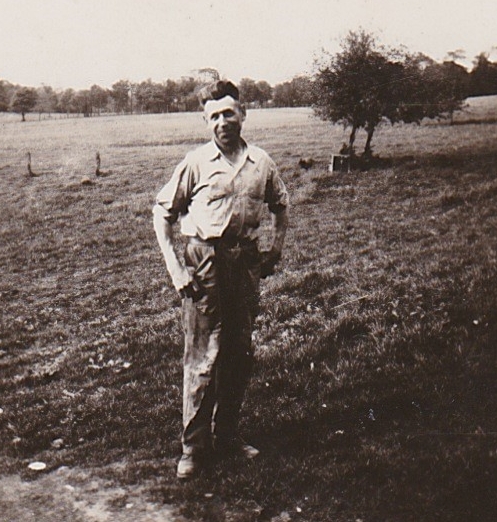
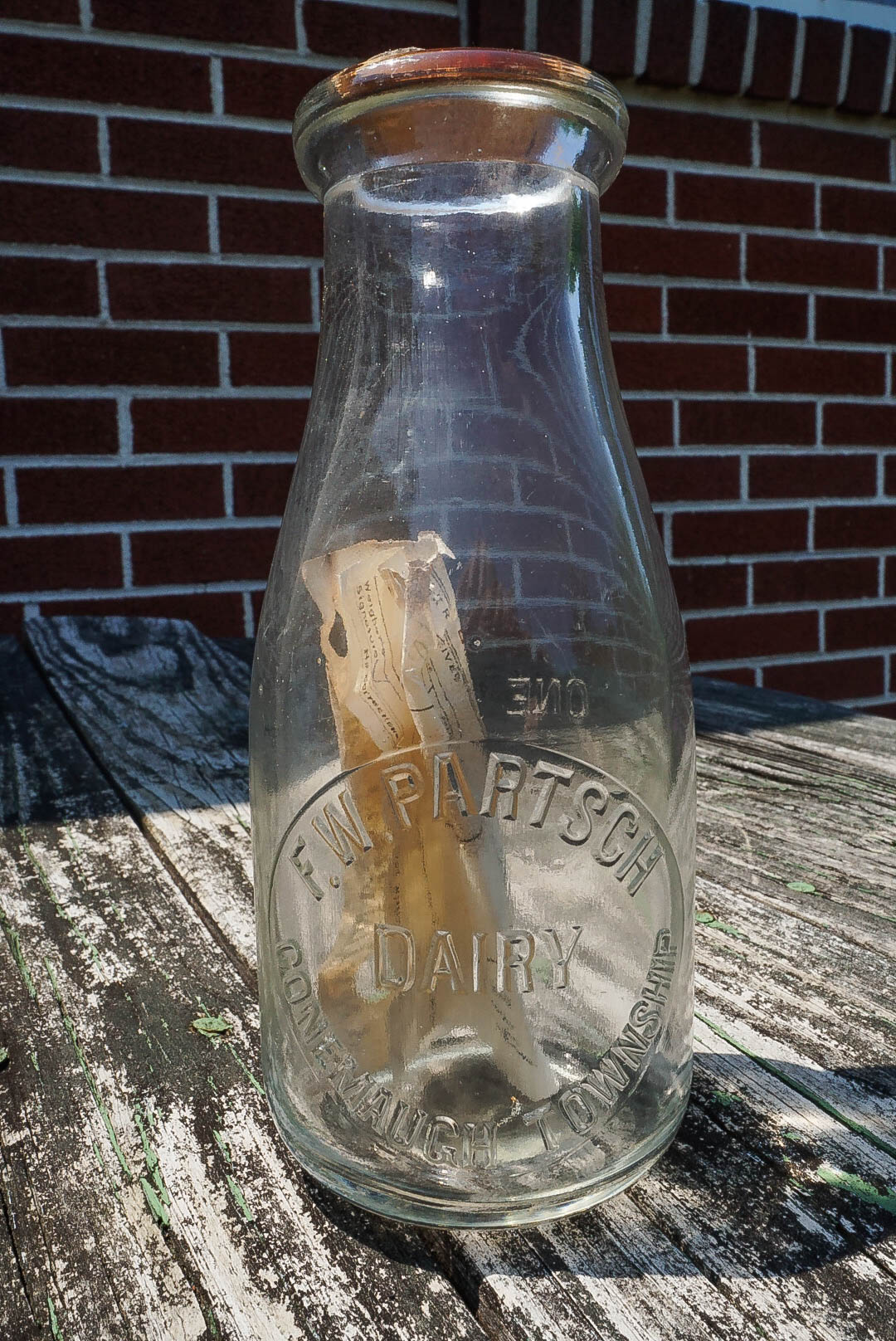
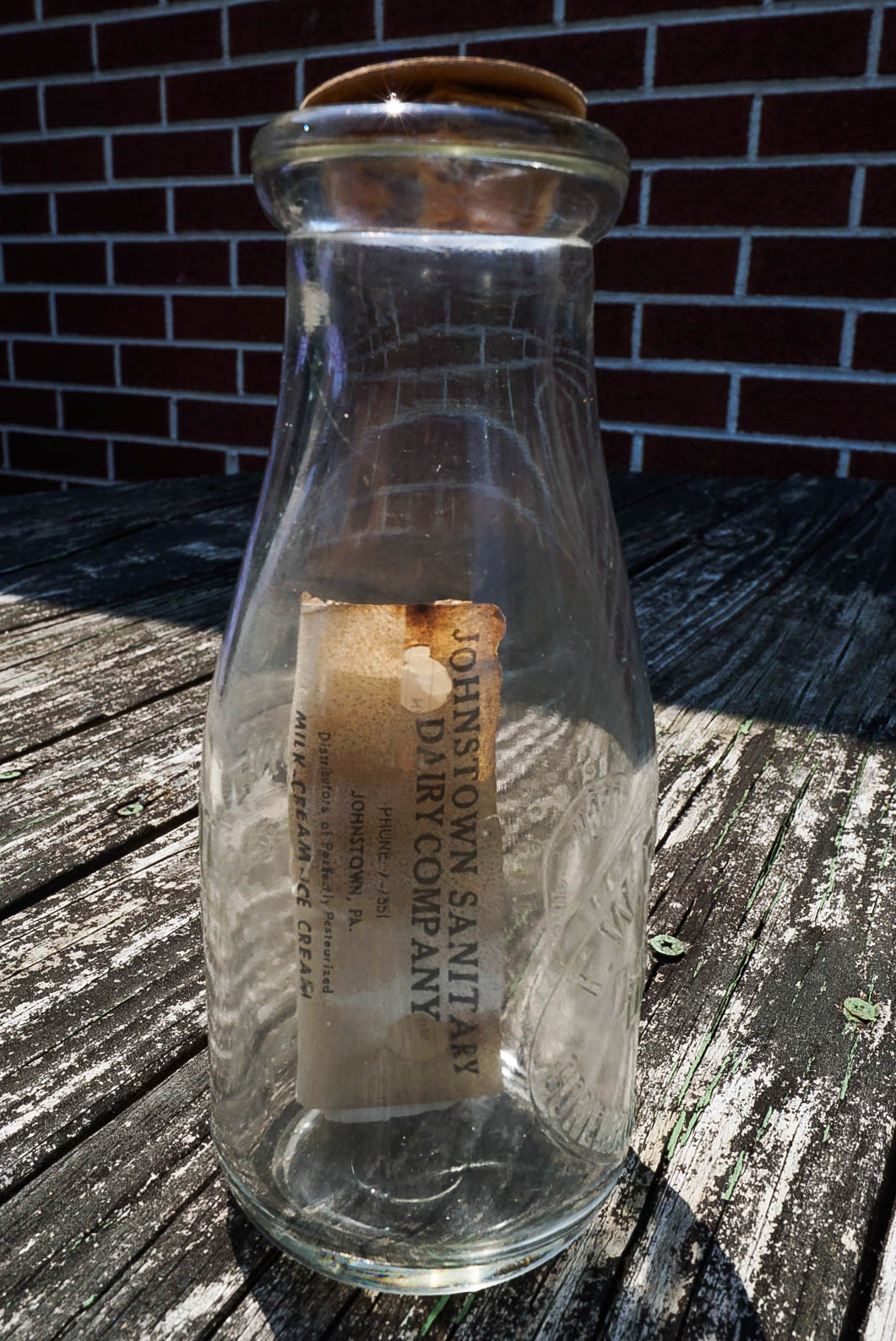
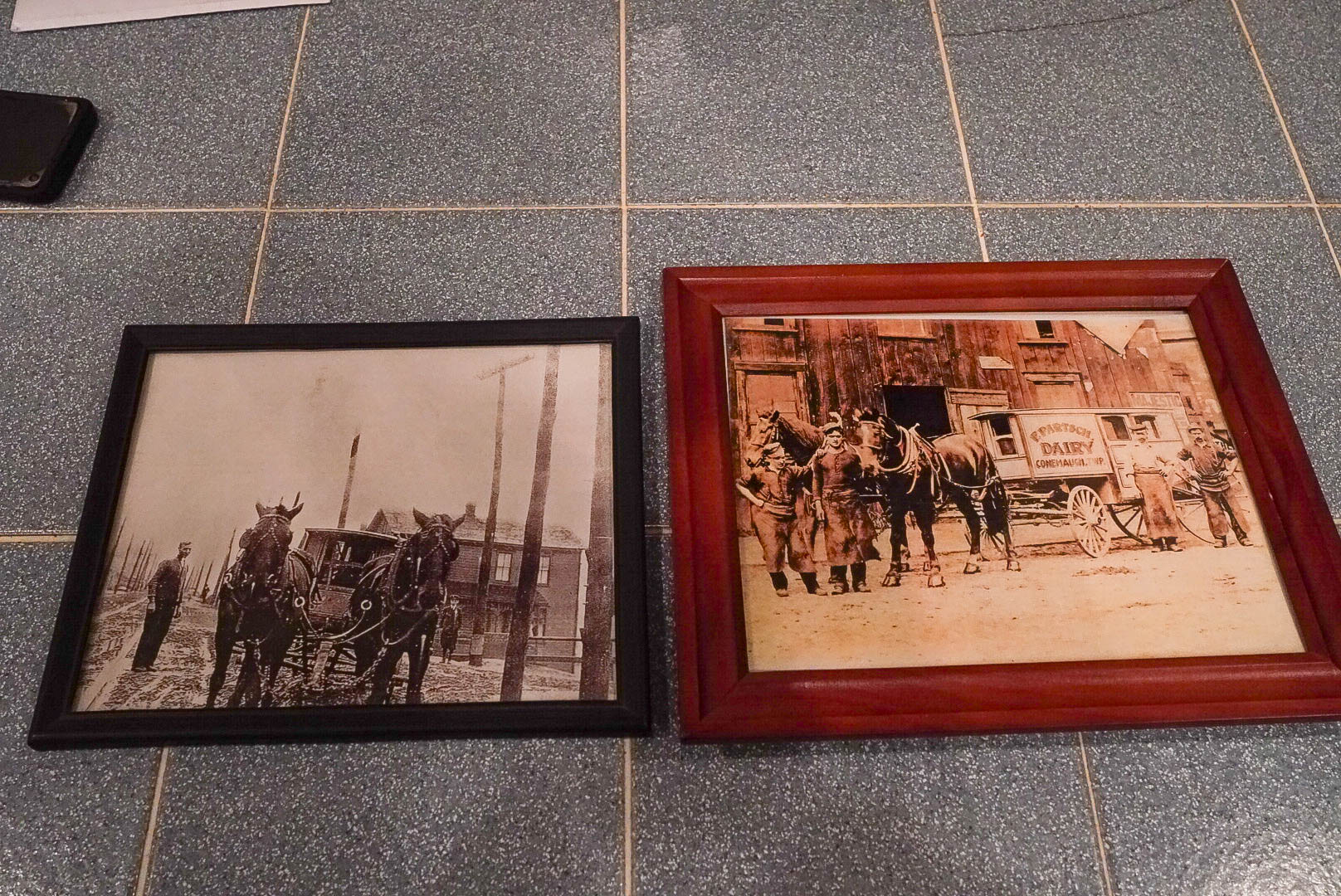
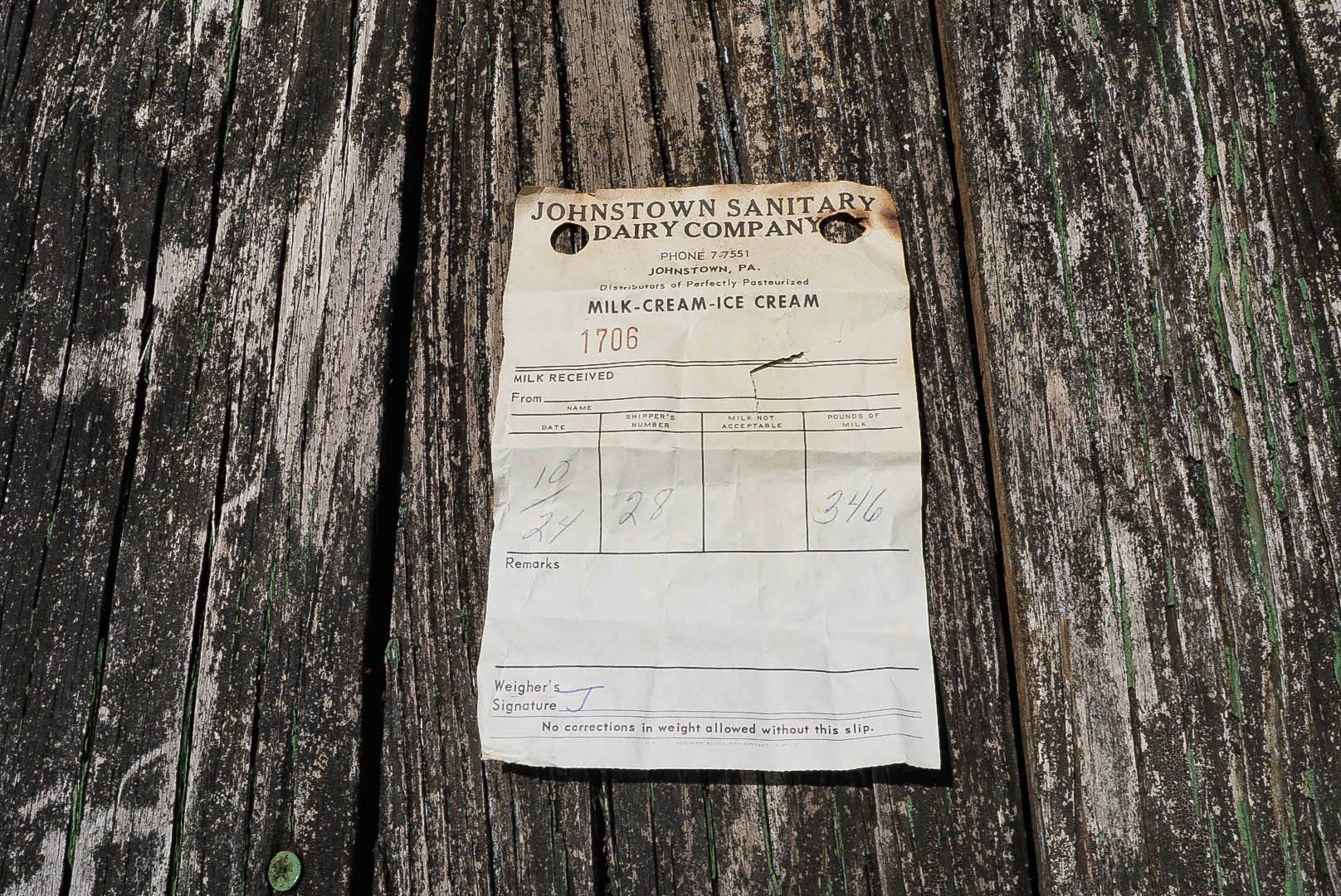
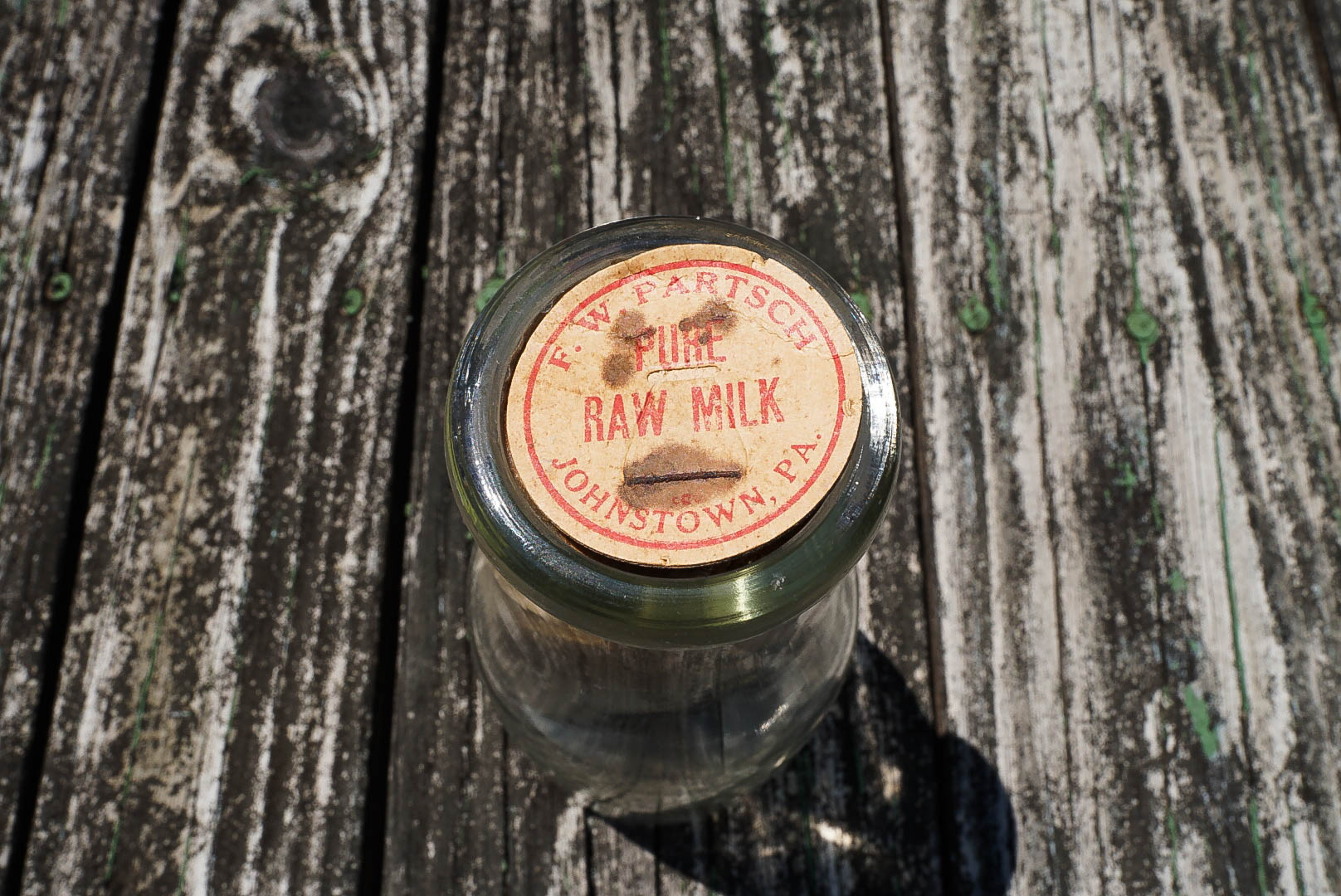
Frank Partsch, Cecilia’s grandfather, purchased 72 acres of land in Conemaugh Township, Pennsylvania, in 1924. The Partsch family ran a dairy operation. Frank and his seven sons would haul their milk and milk from surrounding dairy farms to Sani Dairy in Johnstown for processing.
Frank transitioned to beef cattle in 1965 after his nine children left the house. After he died in 1972, the farm was divided among three of his children: Harold Partsch, Donald Partsch and Joanne Partsch.
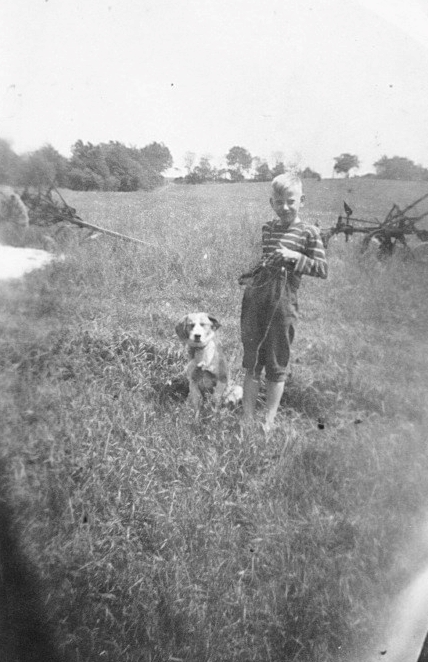
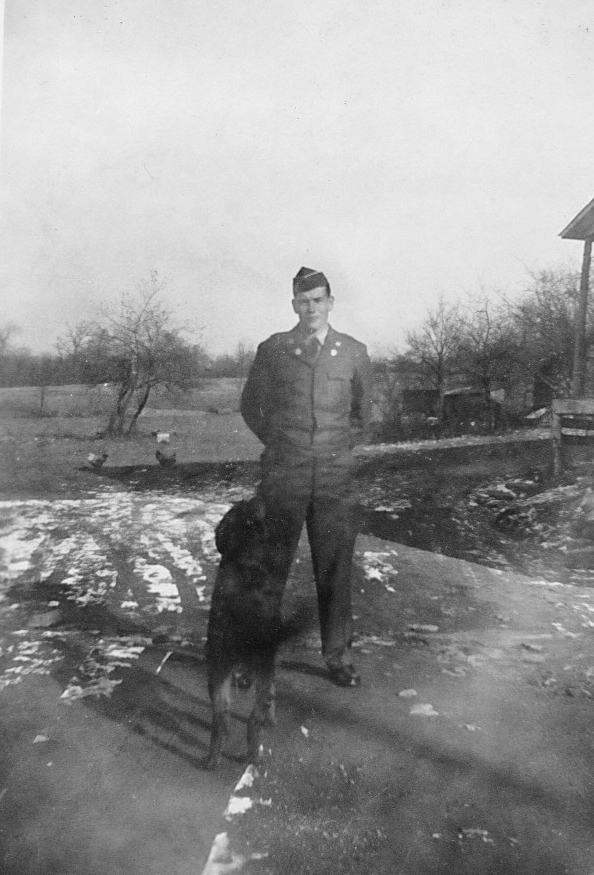
Harold, Cecilia’s father, raised beef cattle and pigs and grew corn, oats and hay for cattle feed. He was also a school teacher; when he had off in the summers, Cecilia was like his shadow, always interested in what dad was doing.
One of Cecilia’s favorite times of the year was fall, when all the apple and pear trees on the property were ripe. Harold, Cecilia and her brothers would climb the trees, shake the apples onto tarps and put them in old feed sacks. They would spend all day picking apples, returning to the barn at night to make cider.
Harold built a cider press with an electric motor that would grind the apples, something Cecilia called “the chipper.” But this chipper wasn’t perfect: “You’d always get a little zip like you could feel you getting shocked from it,” Cecilia laughed. “Back then, they didn’t worry about too much of that.”
Harold sold cider, along with strawberries and Christmas trees that they grew on the property: “That was in the 70s and 80s, and we needed every buck we could get,” Cecilia said.
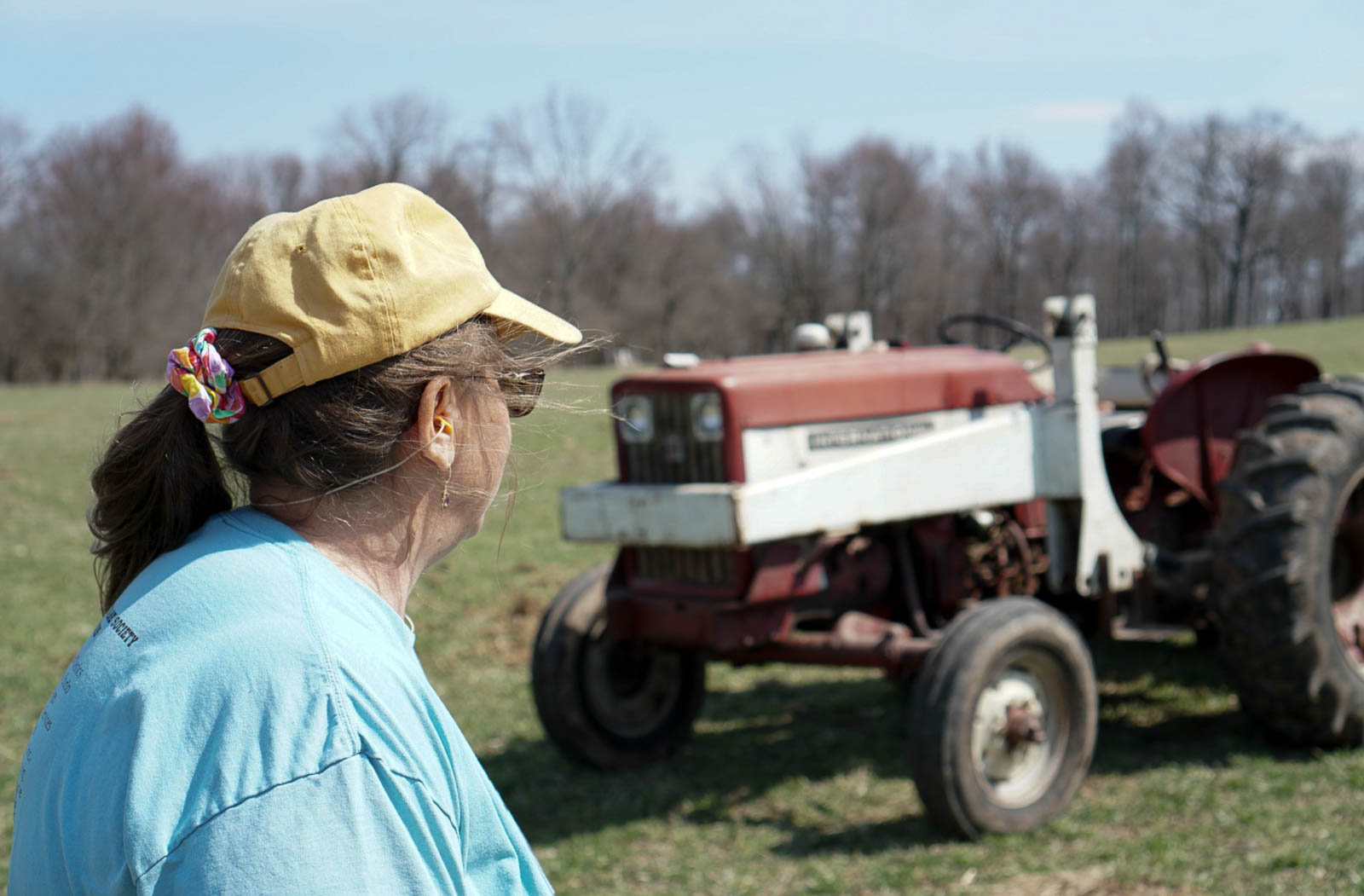
Cecilia attended Penn State University and graduated in 1992. She got her first job in West Virginia as an agriculture engineer for the soil conservation service. While working there, she bought her first cow, a black Angus. One weekend, she decided to take the cow home, retrofitting her Chevy S10 truck with handmade sideboards to accommodate the feisty cow on a five-hour journey.
“She was wild and crazy. I had hoof prints on the roof of my S-10 because she was nuts,” Cecilia laughed. Her dad was not happy about their new resident.
Cecilia held various jobs in West Virginia before moving back to Pennsylvania in the fall of 1997. She got a full-time job with the Pennsylvania Department of Transportation in 1999 and moved back into the Partsch farmhouse in 2000. She bought the farm in 2003.
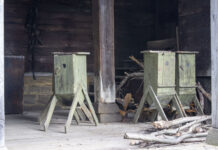
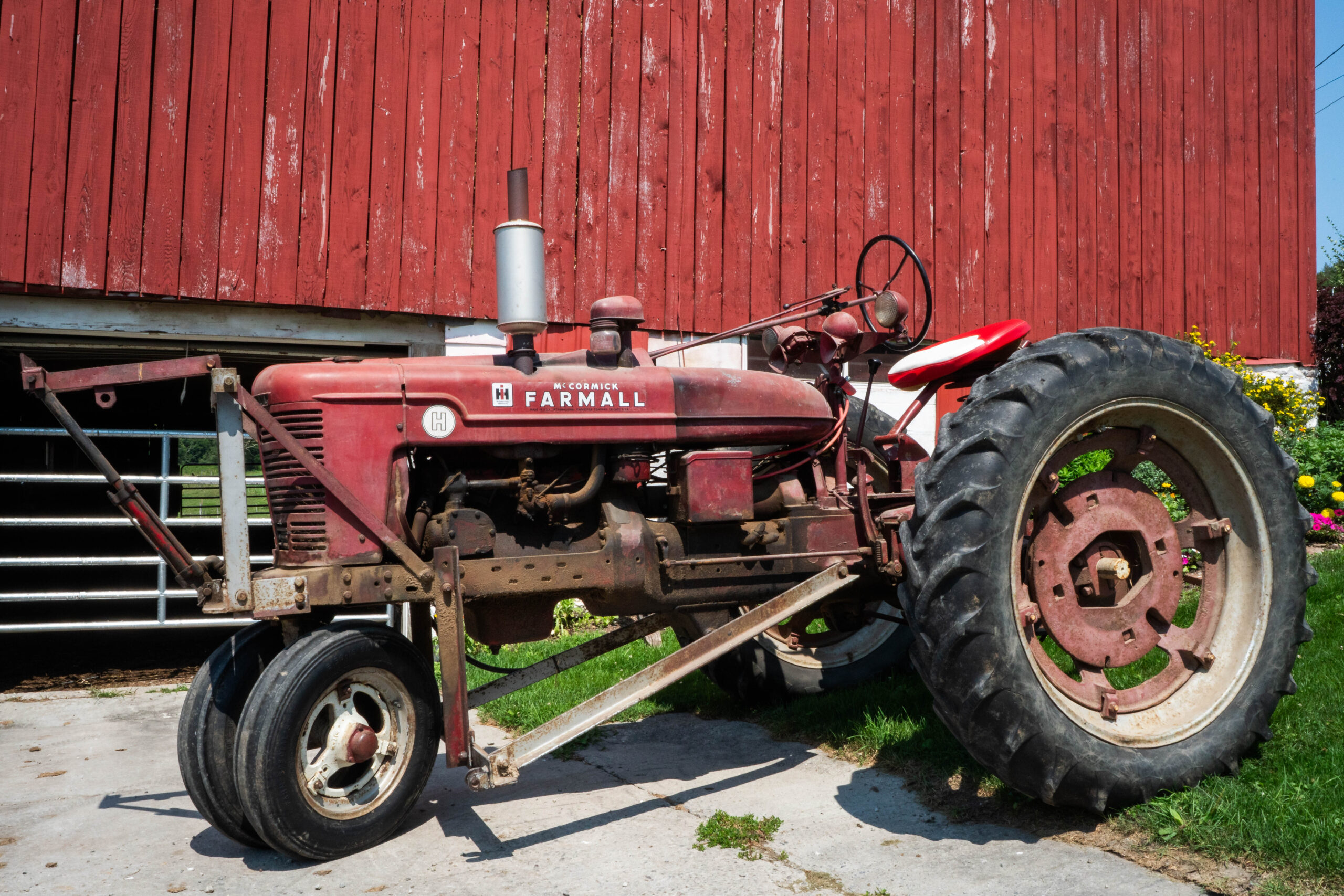
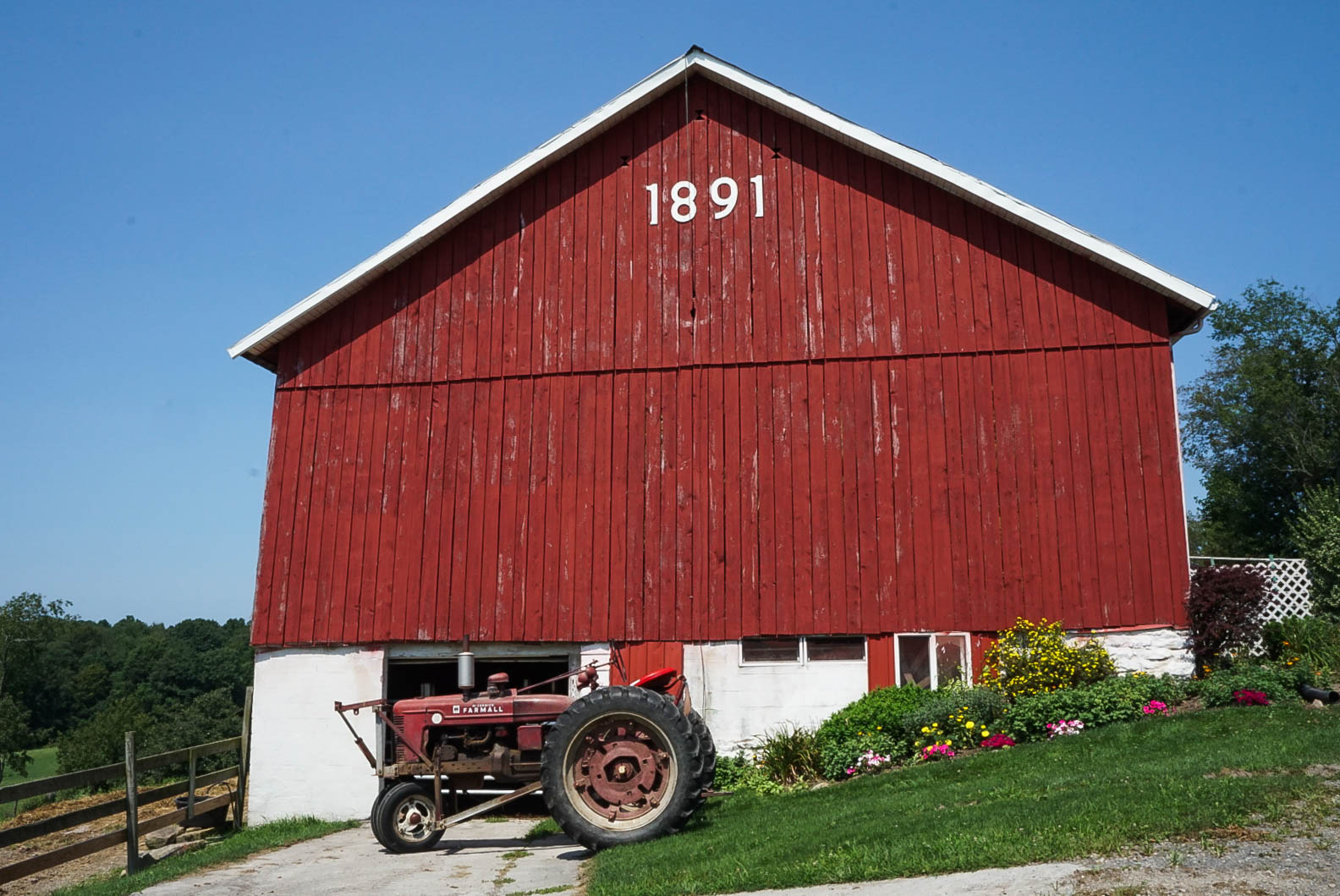
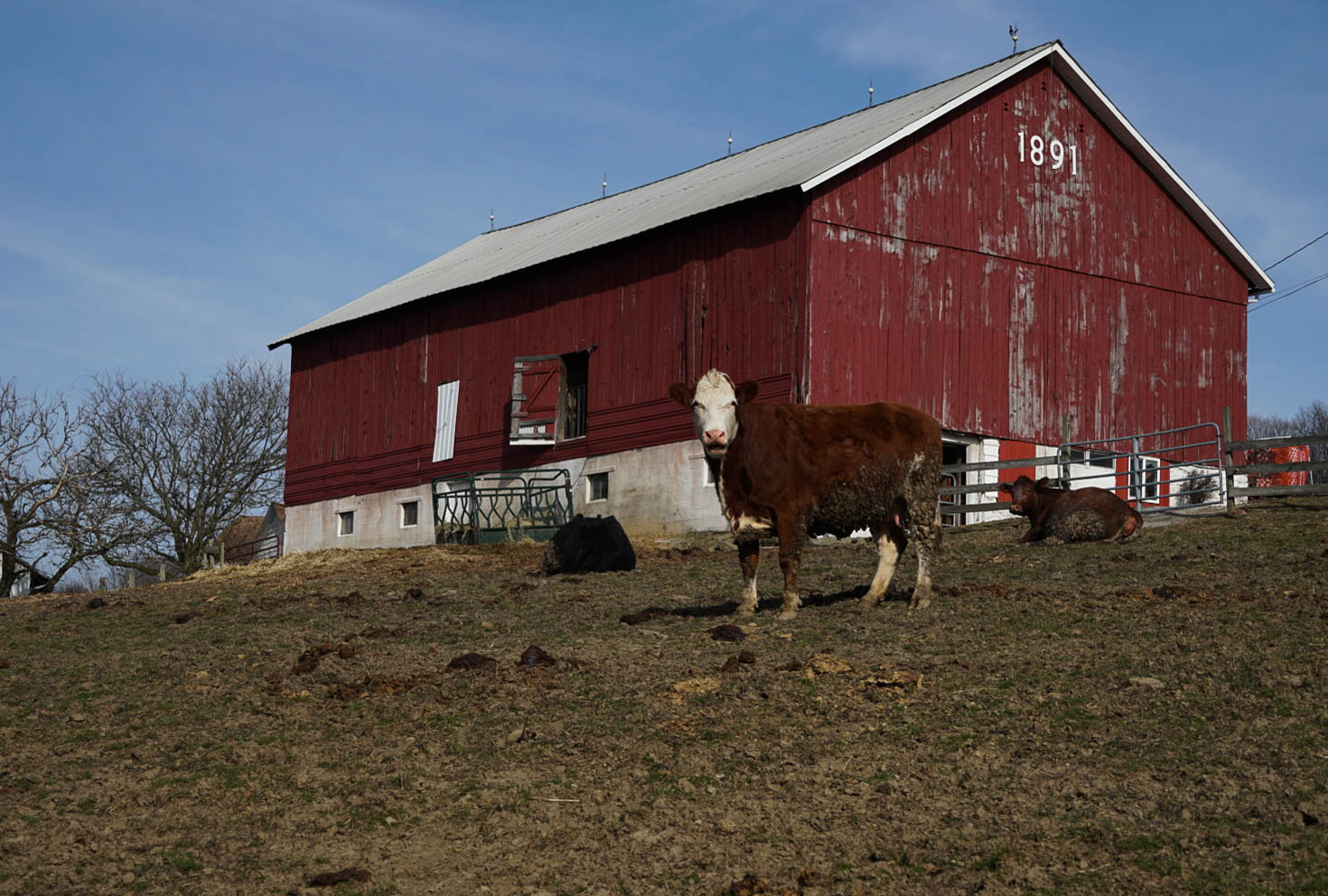
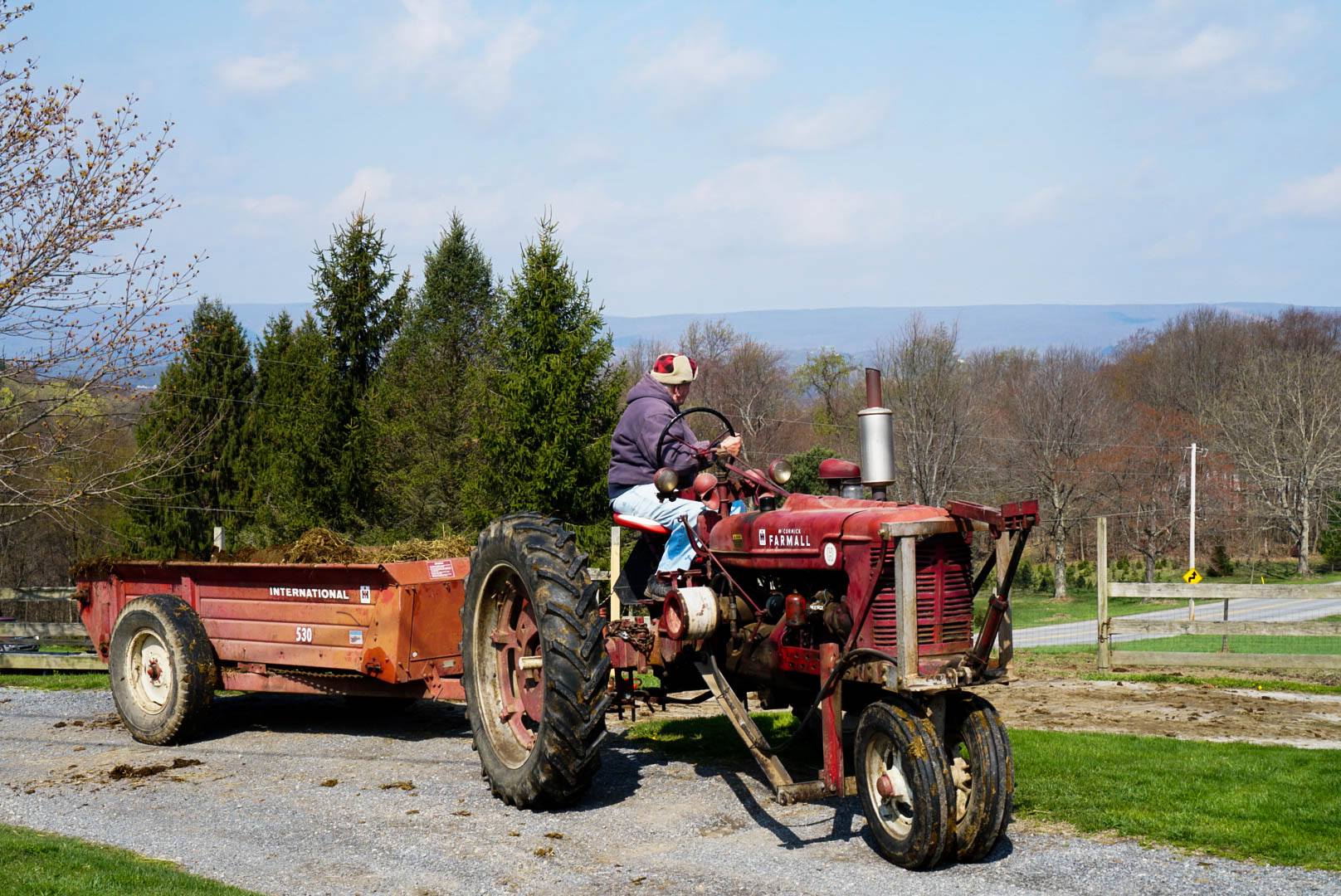
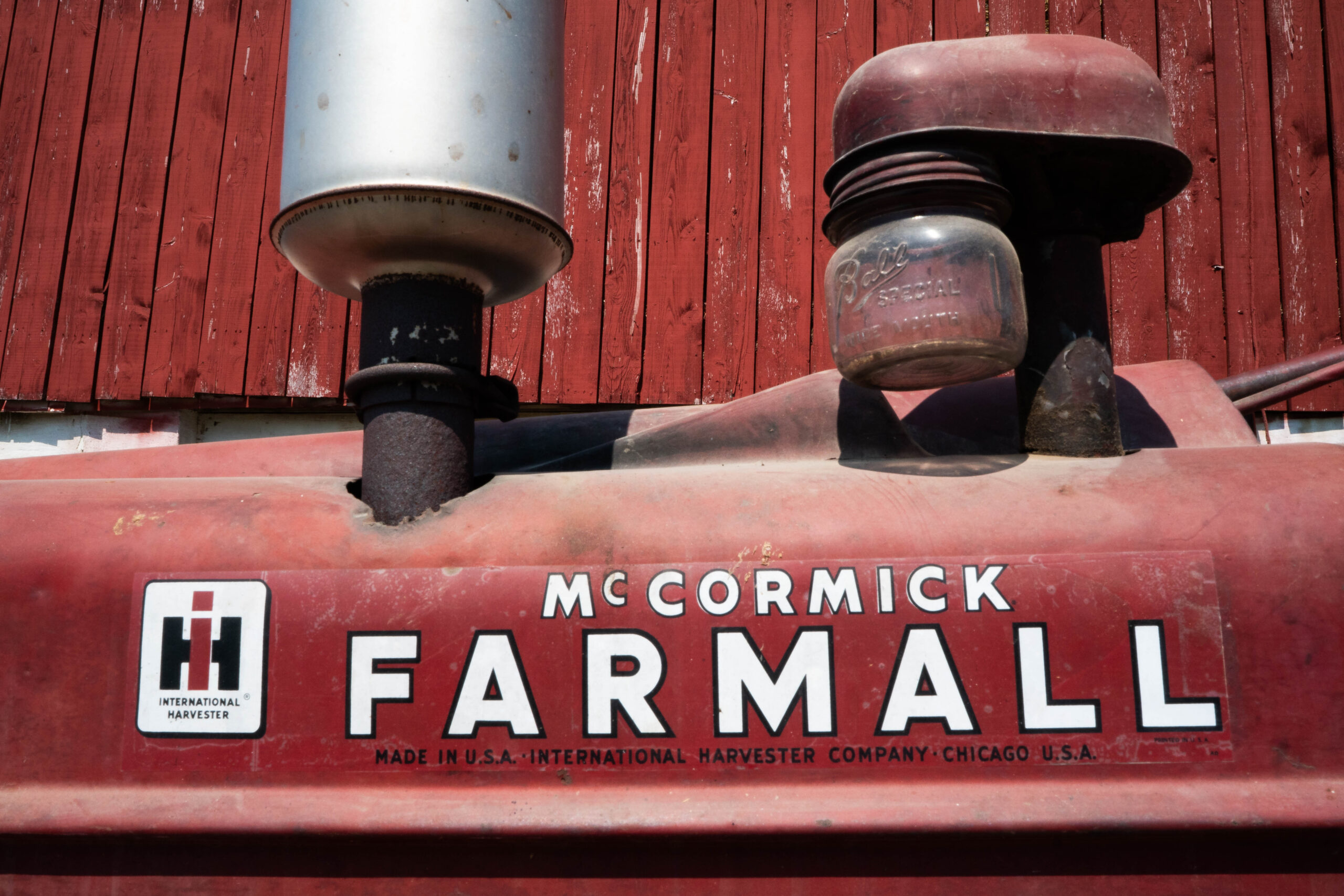
Today, Cecilia and her husband, John Priselac, raise 21 beef cattle and grow hay on 35 acres. The farm is still home to old relics, including the original barn — still in use — that was built in 1891 and a 1946 Farmall H tractor — one of the few tractors available after WWII.
Cecilia is grateful for the Century Farm recognition, something that reflects the hard work of her parents and the life they were able to give her.
“I couldn’t ask for a better childhood,” Cecilia said. “Back in that day, my dad could have treated me or told me I had to not be involved in that kind of thing, and he never did. He was always okay with me being involved and I was a girl. He taught me how to do things.”
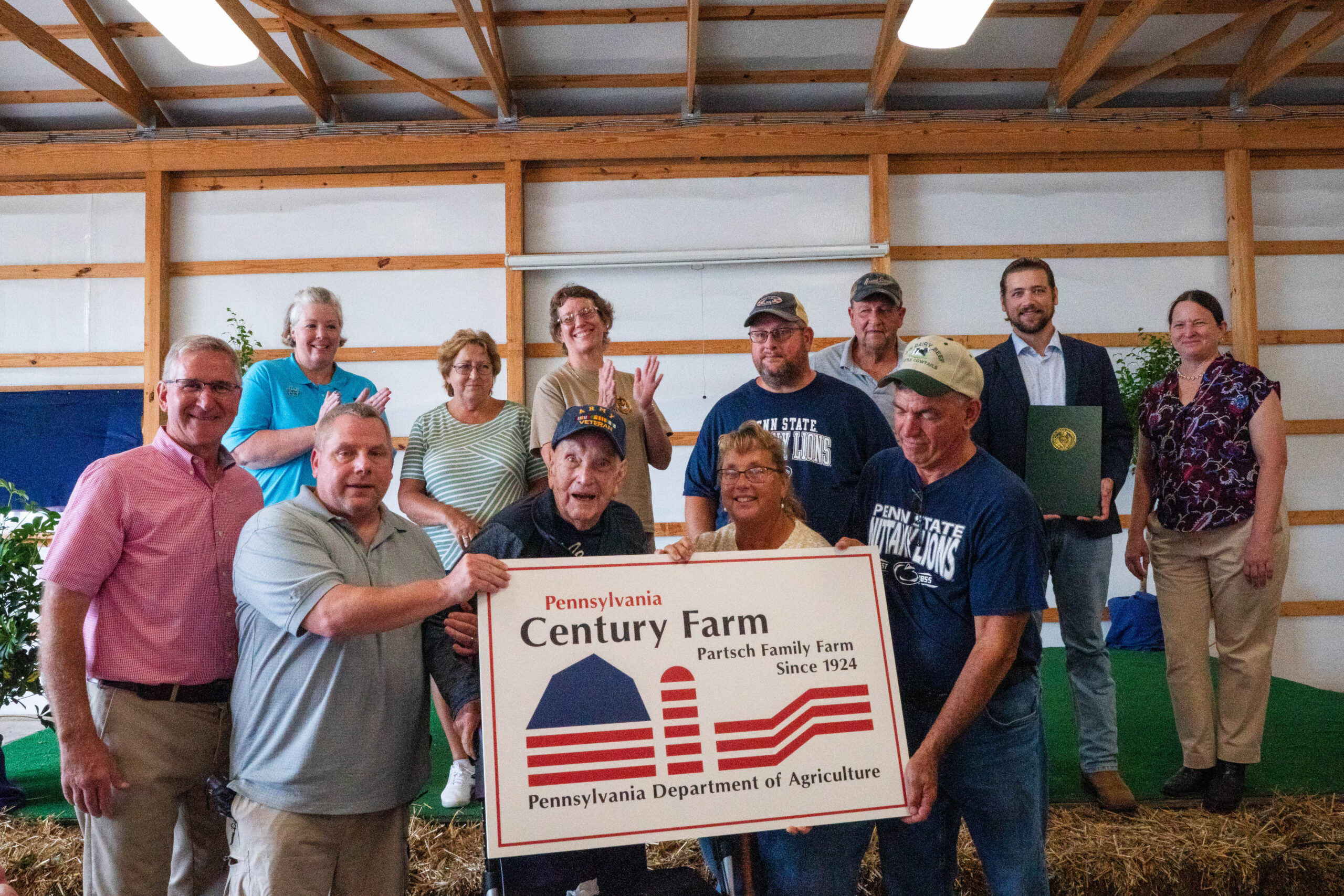
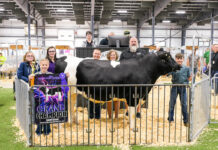
Pennsylvania’s Secretary of Agriculture Russell Redding (far left) at Penn State’s Ag Progress Days on Aug. 14, 2025.
(Liz Partsch photo)
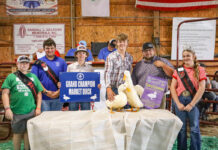
William and Richard Farabaugh and Joseph Burkhart
William A. Farabaugh purchased 123 acres in East Carroll Township in 1918. He raised dairy cows and chickens and did custom thrashing for folks in the area. The dairy farm transitioned into beef cattle in the ‘50s, with his son taking over operations in 1975.
Growing up, the Farabuaghs still kept two dairy cows around, using the milk to feed their family of 12. The children would milk the cows before school, and their dad would milk the cows at night.
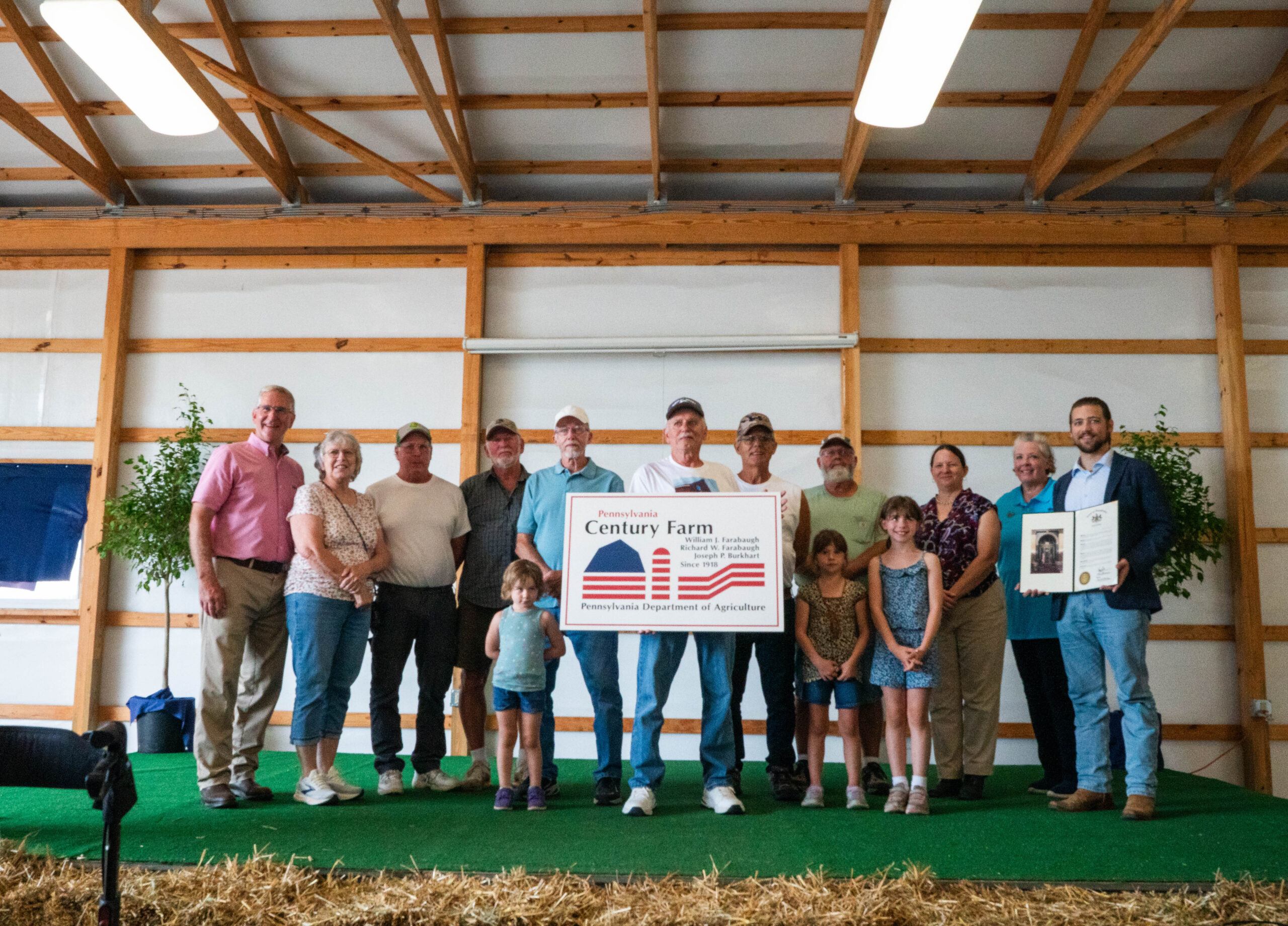
William J. Farabaugh, the third generation, took over operations in 1994, with help from his brother Richard and brother-in-law Joseph Burkhart.
Today, they continue to raise beef cattle and grow hay on 56 acres, as well as produce hay on their neighbor’s property. Their main business is selling hay for horses, making over 3,000 small square hay bales each year.
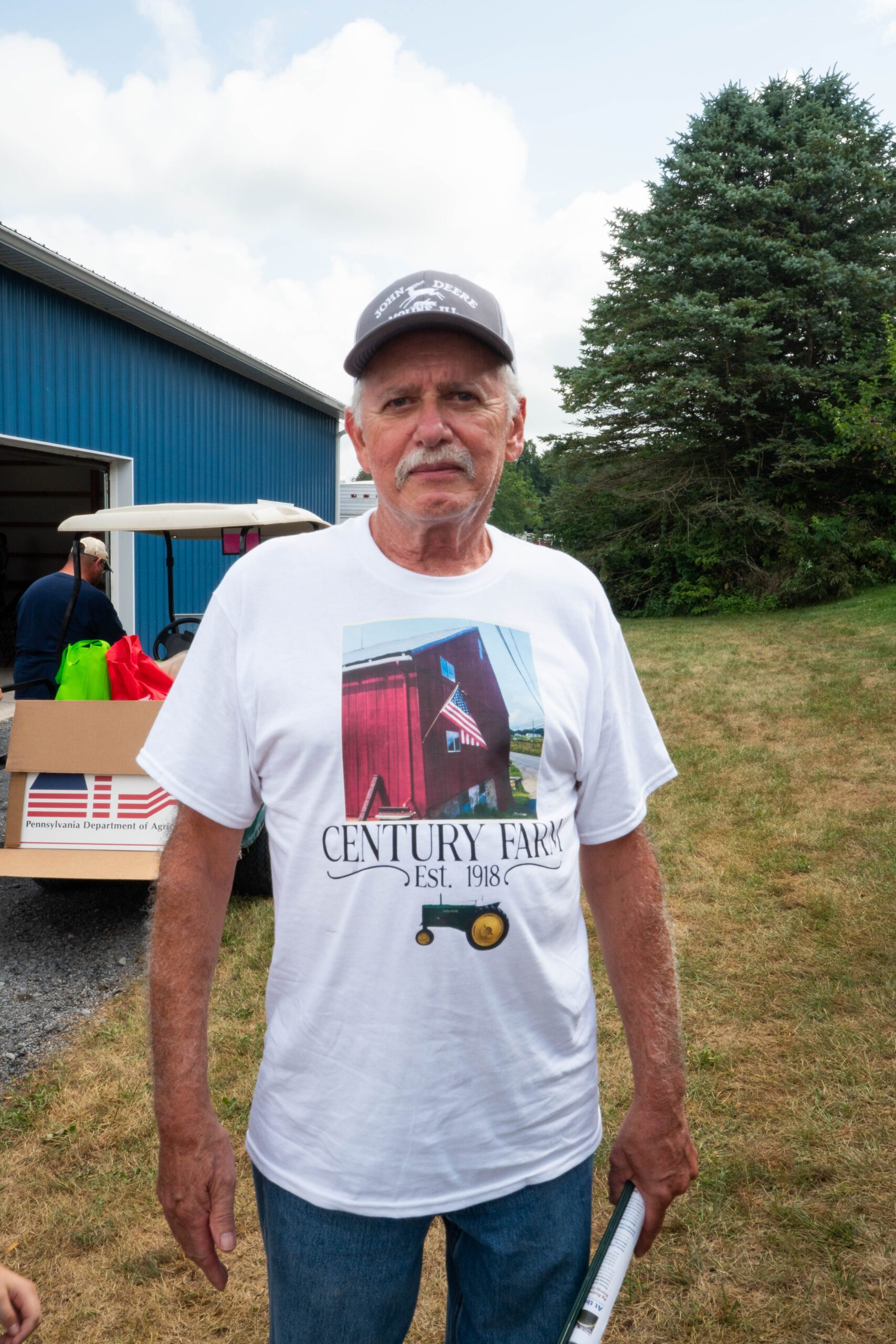
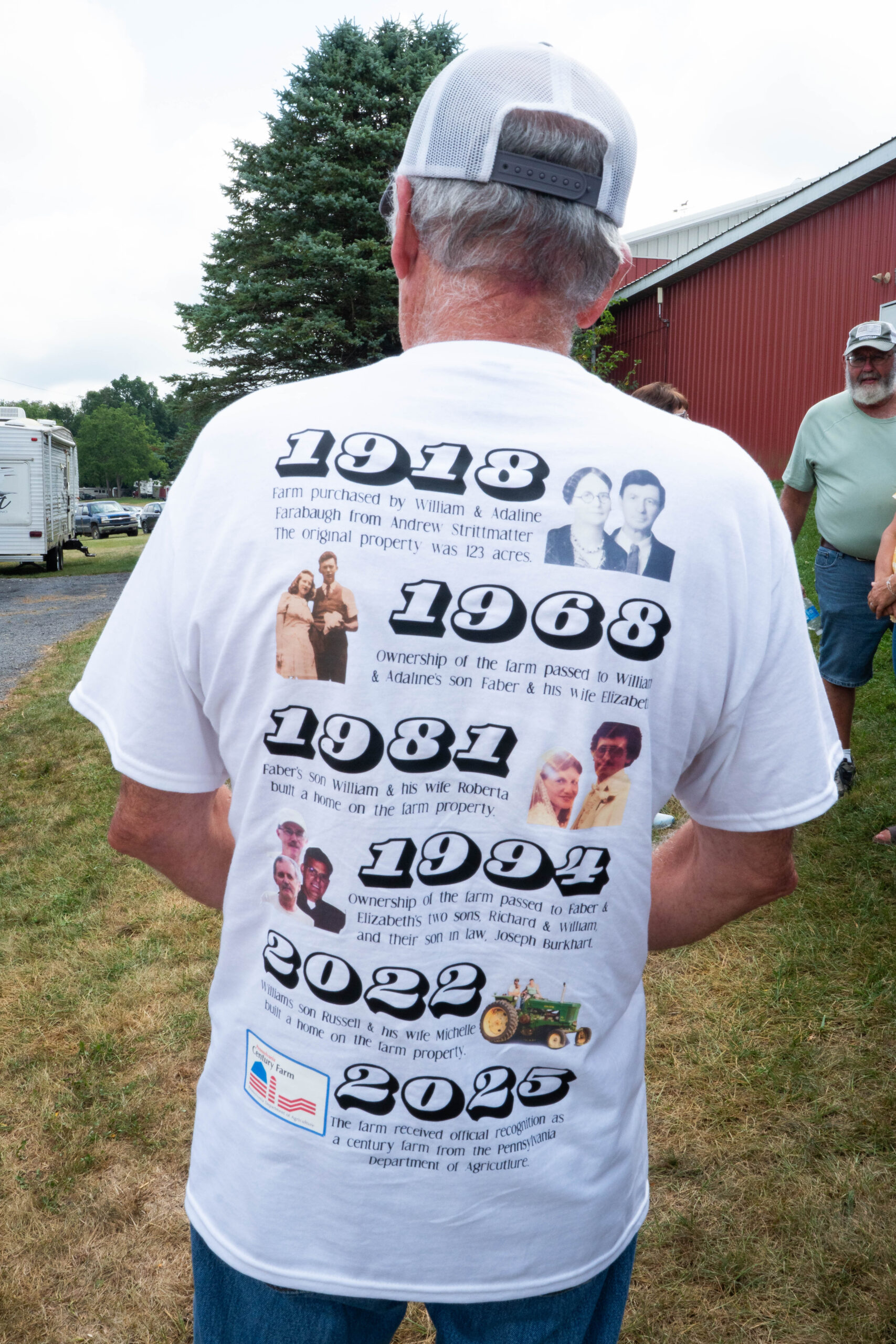
The family also continues to use their grandfather’s tractor from 1939. At the award ceremony, William J. said he looks forward to handing the farm down to the next generation; his son recently built a house on the property.
He hopes to “keep things going.” “We’re gonna keep going the way we are. I don’t know if we can make 200. I won’t be here see it,” William said.
“There’s a tiny, tiny chance I will,” William’s granddaughter said, chiming in. “I would be 104,” she said, followed by everyone’s laughter.
Cambria County has 33 Century arms, according to the PDA.
Clinton and Jessica Black
James Black, Clinton and Jessica’s great-grandfather, bought the 140-acre farm in 1920 for $28.57 per acre. He worked at the Altoona railroad station in addition to farming the land.
Today, the original 1890s house and acreage are still in use. The farm was preserved through Pennsylvania’s Farmland Preservation Program in 1995. Blair County has 10 Century Farms.
Robert Grajewski and Susan Garing
Michalene Miedziejko, Robert Grajewski’s great-grandmother, bought the 50-acre farm in 1917 for $1,000. Miedziejko was born in Poland, and farmed the land alongside her husband John Miedziejko, who also worked as a coal miner. The couple raised mules to work in the mines and later ran a poultry operation and produced potatoes.
Grajewski’s grandfather took ownership in 1924, and his father took ownership in 1984. Grajewski acquired the land in 2007. Today, all 50 acres are still in use. The farm was also preserved by the North Branch Land Trust in 2016.
Luzerne County has 18 Century and two Bicentennial farms.
Marbarger Family
Lewis and John Marbarger bought the 113-acre farm in 1896 for $3,277. They sold feed from the crops they grew on the farm.
Today, the farm is a crop operation with the original farmhouse, built in 1800, still in use, along with all of the original acreage. Over the years, the farm owners raised hogs, steers and poultry and sold meat and vegetables to residents in Pottsville. The farm was preserved in 2008.
Schuylkill County has 36 Century and four Bicentennial farms.
Keith and Lori Flanders
Albert Flanders, Keith Flanders’ grandfather, purchased the 65-acre farm in 1920 for $2,800. He worked at the Ulsh’s Feed Mill and Hatchery in Port Trevorton while farming the land. He and his wife had four sons and four daughters, and later had 21 grandchildren; Keith is the youngest.
Keith and Lori took over the farm from his parents in 1988. In 1992, the farm transitioned to selling broiler chickens — its primary business today. The original bank barn is still in use.
Snyder County has 18 Century and three Bicentennial farms.
El-Jon Century Farms
Howard Snyder bought El-Jon Farms in 1912. At one point, there was a sawmill on the farm and a trolley from Boyertown to Oley went straight through the pasture en route to Reading.
Today, the farm grows corn, beans, wheat and hay. The original barn and 137 acres are still in use. The farm was preserved in 1996.
Berks County has 29 Century and 20 Bicentennial Farms.
Richard Metz Jr.’s Bicentennial Farm
Richard Metz Jr.’s third great-grandfather, Johann Metz, was deeded the 110-acre farm in 1825 for $18. Richard took ownership in 1996, running a dairy operation until 2020. Today, the farm has grown to a 147-acre operation that grows soybeans, corn and hay and raises beef cattle.
Perry County has 38 century and eight bicentennial farms.
(Liz Partsch can be reached at epartsch@farmanddairy.com or 330-337-3419. Liz’s grandfather was Donald Partsch, the oldest of Frank Partsch’s seven sons, who got a portion of the Partsch farm. Today, Cecilia continues to use part of his farm to grow hay and graze.)





Congratulations to all the families for their strength, courage, and stamina in maintaining their families’ heritage and continuing onward in these difficult times facing them. They already know the rewards that far exceed anything man can issue!