

Much of Ohio received its first measurable snowfall of the 2025-26 winter season when a northern November wind pushed across the state, just 10 days after Columbus flirted with nearly 70 degrees. Lifelong residents know that this isn’t nearly as unusual as many non-Buckeyes might expect.
That warm run had conscientious folks out busily hanging Christmas lights and finishing yard work, while some of us just went fishing. Now that I’ve shoveled that first snow from our porch steps and have found myself begging our Bernese mountain dog to come inside, I think I’m mentally prepared for winter, which doesn’t officially begin until Dec. 21.
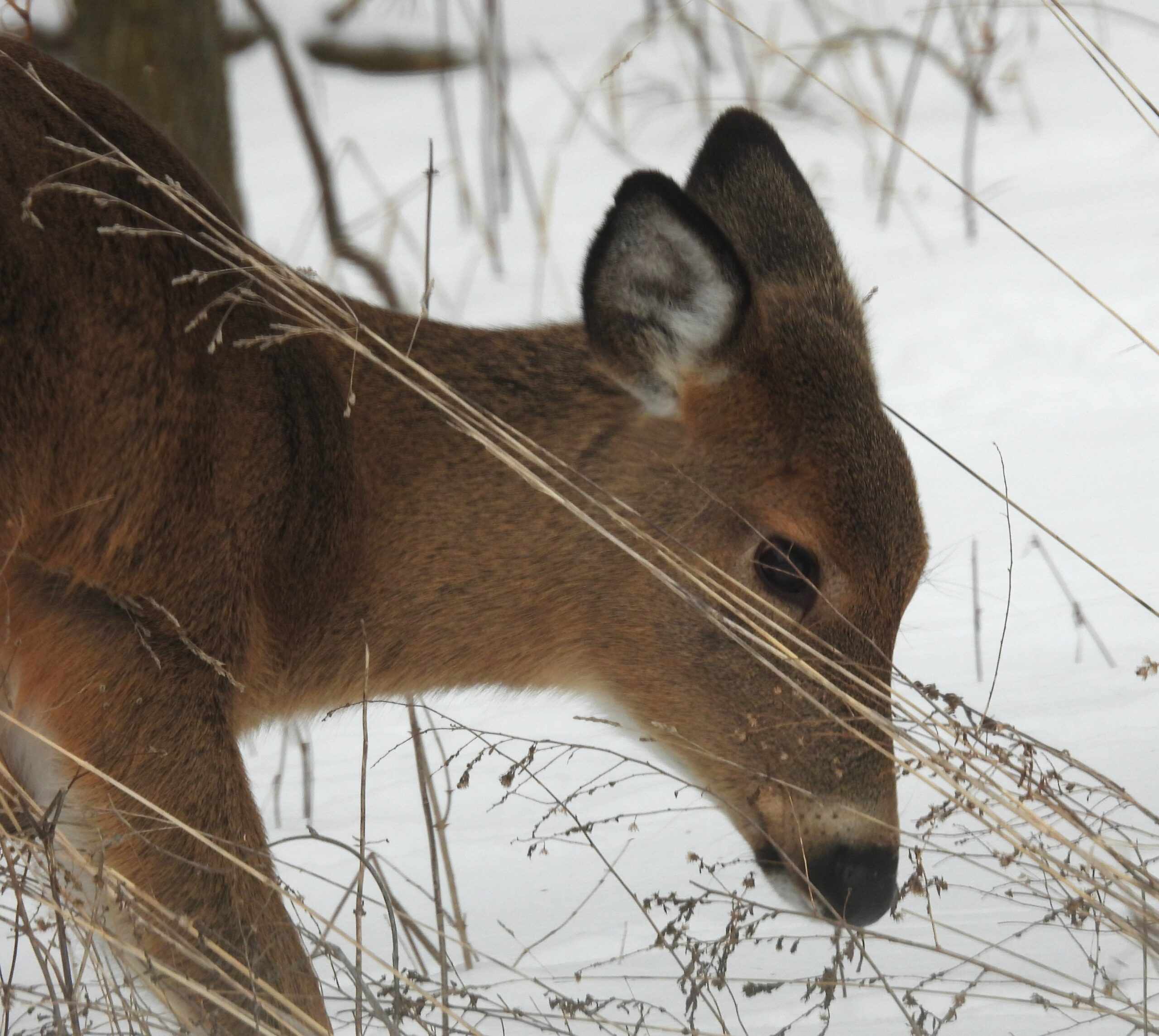
That first snowfall usually gets hunters anxious to get into the woods. Tracking and identifying game trails becomes easier; animals stand out in sharp contrast to their surroundings, and the countryside just feels clean. Of course, Ohio’s early snows don’t seem to last long and this one was destined to disappear within a few short days, but more will surely follow before we see spring’s first daffodil.
Hunters sometimes struggle to figure out how deer are going to react to climatic changes. It’s certainly true that deer are known to react to evolving weather patterns, especially high winds and heavy rain — but what about the white stuff? What should hunters expect when the snow starts accumulating and the temperatures are dropping?
Before the storm. Light snowfall generally makes little difference as to how deer roam about in their habitat. Even so, there can be some subtle changes in their activity, quite often before snow starts hitting the ground. During that period, when barometers start bouncing, temperatures begin trending downward and clouds roll in, whitetails will sense the upcoming weather event. They instinctively become more active, feeding heavily to energize their metabolism to better handle the changes. This includes traveling greater distances to find food and increasing their activity during daylight hours.
That lull before the storm may serve the hunter as well, so it isn’t a bad plan to exploit those hours prior to substantial weather changes. Science has shown that deer — and many other animals — can identify harsh weather changes as much as 24 hours prior to their arrival. This prognostication can cause their movements to increase by as much as 50%. Keep an eye on the barometric pressure and if it drops below 29.8 inches of mercury, your tree stand might be calling.
Snowfall
When the weather does arrive, deer movement is dictated by just how much of a change hits the area. Snowfall of less than an inch an hour (light) has little influence on routine activity. While their movements may increase prior to the snow, the light snowfall will likely be ignored and their travels will return to a pre-snow normal.
If the snow bumps up to 2 inches per hour (moderate), deer will slow down their search for food and begin moving toward woodlots, brush, or grassy fields to wait for the storm to pass. It’s this period that alternate stand locations become important. Many hunters find that slowly still hunting such areas can also be successful because of the deer’s extended bedding periods and the hunter’s ability to move quietly, but don’t allow yourself to think that the deer have become complacent. Nature has made these ungulates a prey animal and their survival instincts keep their awareness of their surroundings sharp. Remember that they will often bed down closely together, multiplying the number of eyes and noses working to identify approaching threats.
If the snow increases to more than 2 inches per hour (heavy), deer movement will be significantly reduced for up to eight hours. While you can still hunt this period, it’s good to remember that tracking live and wounded game is quickly degraded by the accumulation. Rather than to spook deer out of their hides, it might be a good time to make plans to hit the period immediately following the snowfall’s end — when hungry deer will leave their hides and be looking for food.
During light to heavy snow occurrences, deer will show specific bedding and resting preferences. It’s a good idea to have planned for such an event by previously positioning alternate stand locations in one of these preferred areas. This includes south-facing slopes which receive more sunlight, dense conifer stands that provide overhead cover, windbreaks that reduce wind chill for the animals and locations with easy escape routes.
Finally, there are those blizzard conditions that push deer into the heaviest of wind-sheltering cover. Movement has pretty much ceased and spending time outside on a deer hunt is more hazardous to hunters than to the whitetails they’re chasing. This is a great time to rethink post-storm strategies, review game camera pictures and to sharpen knives and broadheads.
Do you need to rely on the weatherman to tell you the rate of snowfall in your area? While it helps, being familiar with how those changes look at a glance can really be helpful. Here’s a general guide:
• Light snow of less than 1 inch per hour allows you to see clearly out to about 500 yards.
• Moderate snows measuring 1-2 inches per hour limit your sight to 200-500 yards.
• Heavy snows greater than 2 inches per hour will limit visibility to less than 200 yards.
During blizzard conditions, visibility has dropped to less than 50 yards, sometimes much less. Blizzards are as much about wind as they are about snow. Sustained winds will cause heavy drifting and dangerous wind chills, making even moderate and light snows threatening.
There are other winter weather factors besides snow that are important to the whitetail hunter. Temperatures above freezing make little difference to deer as they move around their daily routine. That activity will slowly reduce as the thermometer dips south. Once it hits 20 degrees Fahrenheit, that activity has dropped substantially and can alter your hunting style and preferred stand locations.
Wind speeds multiply the effect of negative temperatures and will interfere with all wildlife’s ability to identify approaching danger. While up to 10 mph is status quo for deer, it’s been found that 10-20 mph reduces movement by up to 25%; that 20-30 mph can cut activity by 50%, and that sustained winds of 30 mph and higher will limit deer to survival activities only. If they can sit it out safely, they will. The flatter the area, the more the wind will push deer to seek refuge within wind-protected terrain. While hunting during modestly windy days isn’t unusual, it’s important to remember that there can be substantial risks during high winds. Falling trees and limbs are one threat, and finding yourself falling from a tree stand is another. Weigh the risks carefully before heading out — it may be wise to avoid the woods altogether during overly blustery days.
In the end, there are some weather basics every deer hunter — or those hoping for a prize-winning photograph — needs to consider when you’re trying to locate that wily whitetail trophy.
Visibility conditions reduce a deer’s vision and ability to identify movement. This makes it more difficult for them to spot roving predators. Whitetails will be alert, using their nose and ears more intensely, causing them to be ready to bolt at the first sign of danger. On the other hand, reduced visibility acts as a natural camouflage for the deer — and the hunter.
Snow depths ranging from 2-6 inches influence the ease of movement. Most deer can travel fine in these conditions, but the going is slower, particularly for younger or weaker whitetails. They’ll tend to make use of worn paths and sheltered areas between windbreaks and in tree cover.
Temperature fluctuations have been found to have a definite impact on deer movements. During moderate snowfalls with mild temperatures in the upper 20s and low 30s, they’ll likely remain active, but travel distances may be moderately reduced. A sudden drop in temperature can drive them to conserve energy and substantially reduce movement.
Winds drive deer into protected areas like dense shelter belts and brushy areas, where they can escape its direct impact. On the other hand, mild winds can push deer into open fields for better visibility.
Available foods are a top priority during moderate snowfalls. As snow starts covering the ground, deer tend to focus on farm crop droppage and waste, low-lying shrubs, tree bark and exposed vegetation. They’ll also increase daytime activity if snow or wind conditions make foraging at night more difficult.
So, now you have a lot of information to help you figure out how deer are going to respond to the ever-changing weather and a few hints as to where you might consider placing a new stand. Then, just when you think you’ve figured it out, the rut begins — and all bets are off.
“Nature is the best teacher, and she has plenty of lessons.”
— Mary Hofman