


One of my favorite traditions when family and friends are over for dinner is pulling out a deck of conversation cards designed to spark discussion and laughter. Some questions are lighthearted while others encourage deeper reflection.
One card has always been my favorite: If you could have one superpower, would you rather be invisible or be able to fly?
For whatever reason, most people choose flight. But for me, the answer has always been invisibility. Part of my reasoning is practical because I am not fond of heights. But I have always been intrigued by the idea of being a “fly on the wall,” quietly observing people, conversations and decision-making. Some of life’s most important lessons come from simply paying attention and noticing the unnoticed.
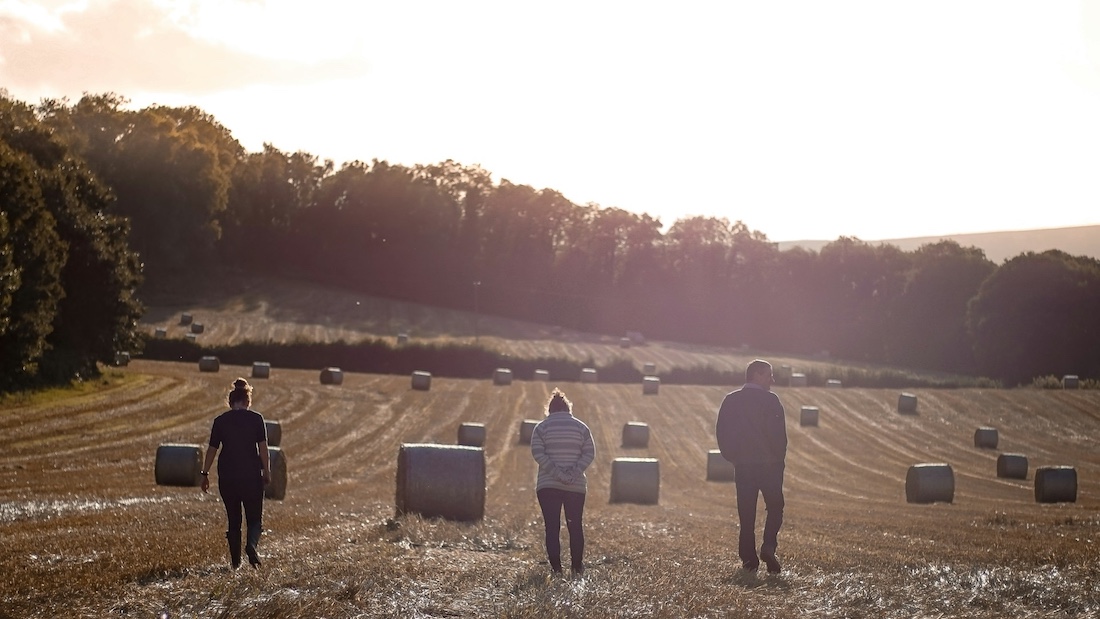
So, if I could be invisible for a day and quietly observe your farm operation, what would I learn? I suspect I would discover far more than what appears on paper. For instance, I might notice whose opinion carries weight when important decisions are made. Or I may learn how managers interact with employees, how problems are solved and how people react to stressful situations. But most of all, I would discover that authority and influence are not always the same thing.
In short, I would be learning about the farm’s invisible organizational chart. While a formal organizational chart shows who reports to whom, the invisible chart reveals how information flows, who people trust, and where influence truly resides. These are the individuals who often shape decisions, solve problems and preserve institutional knowledge, even though their names may never appear on the farm’s formal organizational chart.
Every farm business has invisible influencers. It might be the spouse who pays the bills and quietly reviews major purchases before decisions are finalized. It may be the veterinarian, a trusted lender, a long-time employee or the local agronomist whose advice carries significant weight.
On some farms, the invisible chart even includes the influence of a family member whose memory and expectations continue to guide decisions years after they have passed away. They may be gone, but their influence remains.
These informal networks are often most visible during periods of high stress. When a crisis occurs, equipment breaks down or a difficult decision needs to be made, people instinctively turn to those they trust. These moments reveal who truly influences the direction of the business and how decisions get made.
An invisible organizational chart is not a bad thing. In fact, many successful farms rely on it every day. The challenge is to recognize it. The goal is not to replace the invisible chart, but to understand how it affects communication, decision-making and leadership within the business.
I have seen this play out frequently in transition planning. On paper, ownership and management responsibilities may be shifting to the next generation. Yet decisions continue to flow through the senior generation. The result can be confusion, frustration and mixed messages. The visible chart says one thing while the invisible chart says another.
Understanding this informal network can help farm families improve communication and avoid unnecessary conflict. It can also reveal where valuable knowledge resides and where potential bottlenecks may exist. Once identified, these key influencers should be included in important conversations, especially during periods of change, transition or strategic planning.
My challenge to you is to take a few minutes this week to think about your farm’s invisible organizational chart. Who do you turn to for advice? Whose opinion carries the most weight? Who helps hold the operation together when challenges arise? Who is doing the quiet, unnoticed work? The answers to these questions may reveal strengths that should be recognized and challenges that deserve attention.
So, which superpower would you choose? Flying allows you to see a farm from 10,000 feet, but being invisible allows you to see what really makes it work. You notice the conversations, relationships, and trusted voices that shape daily decisions. These people may never appear on an organizational chart, yet their influence can be found throughout the operation every single day. Sometimes the most important management lesson is learning to notice what has been there all along.