







Multigenerational dairy farms can be profitable
Profitability requires improved efficiency, innovation and scale. OSU Extension educator Dwight Roseler provides tips to ensure the dairy farm's future.

Water and calf starter are keys to future performance
Ohio State Extension educator Jason Hartschuh highlights the importance of water and calf starter to the future performance of dairy cattle.

Where do US dairy exports go?
Ohio State Extension educator Jason Hartschuh breaks down the movement of U.S. dairy products, highlighting those exported to Canada and Mexico.

Encourage good behaviors in heifers with good experiences
Ohio State Extension educator John Yost offers insight into encouraging good behaviors early in young heifers on the dairy farm.

It’s time for nutrient management
Ohio State Extension educator Lee Beers provides tips for planning nutrient management on the farm in the spring.

Understanding animal welfare: What it means and why it matters
Grazyne Tresoldi, assistant professor of animal welfare at Ohio State University, explains the nuances of animal welfare and animal rights.

Managing risk on dairy farms with Dairy Margin Coverage
When evaluating your risk management strategies, dairy margin coverage is the most economical tool for managing milk price and feed cost risk for the first 5 million pounds of production history.
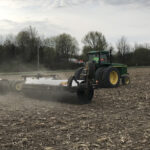
When to use a land roller at planting time
Land rollers may not prove useful for every farm, but they can work for some people in the right situation.

Preparing for tax changes: The expiring TCJA provisions every farmer should know
This year is especially important due to the impending expiration of several provisions from the 2017 Tax Cuts and Jobs Act by the end of 2025.

Each generation has wisdom
Ohio State Extension educator Bonnie Ayars reminds Farm and Dairy readers that every generation has wisdom to offer.



