





The world would be a better place if we followed Dolly’s example
Following the news of Dolly Parton's passing at age 80, this heartfelt tribute explores her incredible life. From fond childhood memories on the farm to her massive philanthropic efforts like the Imagination Library, discover why the world would be a better place if we all lived a little like Dolly.

Character was built in childhood
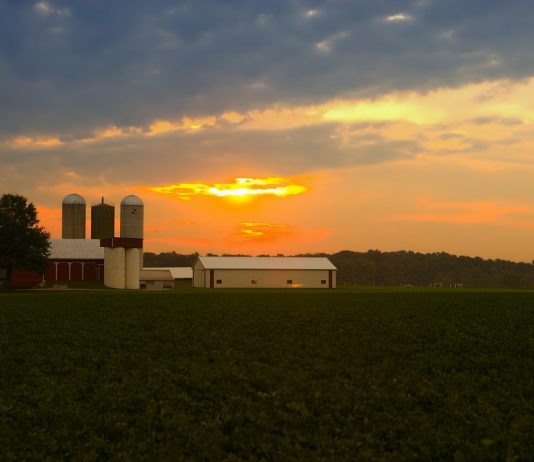
Growing up on a farm meant turned-up hoses, makeshift wooden toys, and adventures high up in the barn mow. A nostalgic look back at how mud, sisterly dares, and outdoor exploration helped instill a lifetime of character, grit, and resilience.

Celebrating new beginnings and lifelong country church bonds
Reflecting on childhood memories at a rural country church, the author reconnects with an old friend to celebrate his new marriage. How deep community roots, shared faith, and lasting family connections can bridge decades apart to bring pure joy.
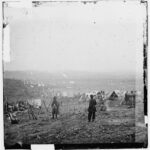
Finale: Civil War letters home
A chance discovery of Civil War letters in a local library uncovers the poignant story of Jeromesville's Boyd brothers. Through their own words, a local writer traces the brothers' service, the tragedy of wartime disease, and the lasting legacy marked on a hilltop cemetery monument.

Part 4: Civil War letters home send hope that the war will soon be...
In part 4 of Civil War letters home, 18-year-old Stephen Boyd of Ashland County, Ohio, writes from Tennessee about camp conditions, the fall of Vicksburg, Morgan's Raid, and his optimistic hopes that the war will end in time to return to Jeromesville for the fall corn harvest.
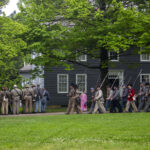
Civil War letters home, part 3
In new Civil War letters home to Jeromesville, Ohio, the Boyd family faces heartbreak after learning of 21-year-old James's death at Vicksburg. Meanwhile, eldest brother John writes from a hospital bed and Stephen shares updates on camp life and Southern politics.

Part two: Civil War letters home
In letters home to Jeromesville, Ohio, Union soldiers John and Stephen Boyd share the realities of Civil War camp life—from treasured boot shipments and home-cooked treats to draft dodgers, sibling squabbles, and the deep desire for news from home.

Jeromesville honors Civil War heroes at heritage tree dedication
As part of the America 250-Ohio celebration, Jeromesville dedicated a native white oak tree to its history. In this column, the keynote speaker shares the moving stories and letters of three local Civil War brothers who left their Ashland County farm to fight for the Union.

Growing up on the farm meant no time for boredom
From building straw tunnels to diving into the farm pond, Judith Sutherland refelcts on her rural childhood where summer meant a mix of hard work and ultimate freedom. Unlike "townie" friends who faced afternoon boredom, farm life ensured there was never a single precious moment wasted.

Earned wisdom: Learning when it is time to let go
Life is full of challenging situations, but finding peace requires surrendering our illusions of control. From laughing at life's craziness to retreating to the barn for a dose of fresh perspective, explore these heartfelt reflections on learning how to travel light.



