




Farm bill ‘debates’ are deplorable
Even by its Olympic standards for hyperbole and hypocrisy, the performance of the U.S. Senate during the fruitless, pre-Thanksgiving farm bill debate was breathtaking.
My monkey-in-law
When I write about my life, people actually ask, with a straight face, if I make things up. When you learn about my people - my family - you soon realize that embellishment is rarely necessary.
Dairy seminars set across the state
It may seem a long way off, especially as you are managing the fall harvest, but winter will be here before we know it and along with it comes a variety of outstanding Extension workshops and educational seminars to help you be a better dairy producer.
What’s old is new again on the farm
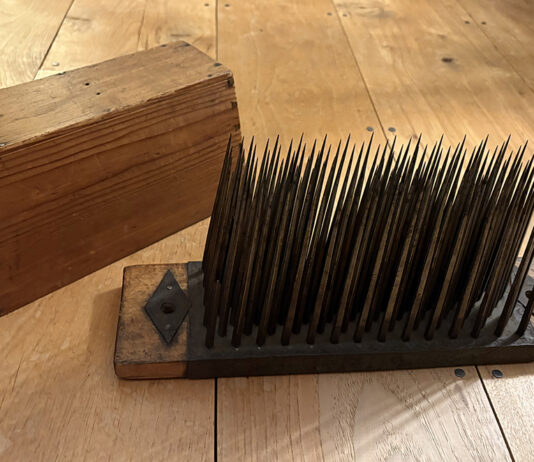
I find it amazing, time and time again, how much the world is turning back around to the way it used to be long, long ago.
By the numbers: Food for thought
While you're recovering from Thanksgiving feasts and looking ahead to another month of holiday gorging, chew on these numbers: 702 million pounds The amount of sweet potatoes grown in 2006 in North Carolina, the nation's largest producer.
Food for Thought
We often feel nostalgic and take time for reflection at holiday time. I hope you'll take some time for this poem.
Harvest rarely done by Thanksgiving
Despite Thanksgiving's late November arrival, neither we nor the neighbors of the southern Illinois farm of my youth were done with harvest by the harvest holiday.
A soccer mom gets in the game
I am a soccer mom and I am OK with that.
Beekeeper is a modern-day Thoreau
Writer Sue Hubbell, a fiercely independent beekeeper who makes her living all alone on her land in the Ozarks, had to be convinced that she had a memoir worth writing.
Be thankful despite your troubles
In these very troubled times - national troubles, global troubles, financial troubles, violence troubles, climate and weather troubles, energy troubles, war troubles, strike troubles, health troubles, ad infinitum - there are many families who will surely have trouble being thankful this Thanksgiving Day.



