




Spring rain equals runoff: How to protect local streams
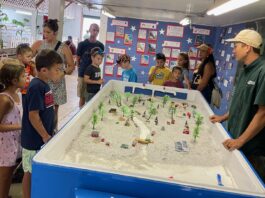
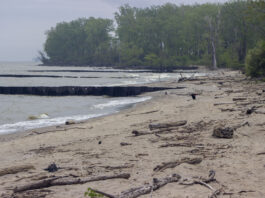
Spring rains bring more than just flowers—they bring stormwater runoff. Ashland SWCD's Zoey Dudte talks about how soil, pollutants and nutrients impact our local waterways and shares simple steps you can take to protect our water quality.
Why April showers and wetlands matter for our groundwater
Beyond the mud, April showers and wetlands are vital for recharging Ohio’s aquifers. Kelly Riley with Wayne SWCD talks about how these "natural sponges" protect our future water supply.
Don’t rush the grass: Spring pasture tips that actually pay off
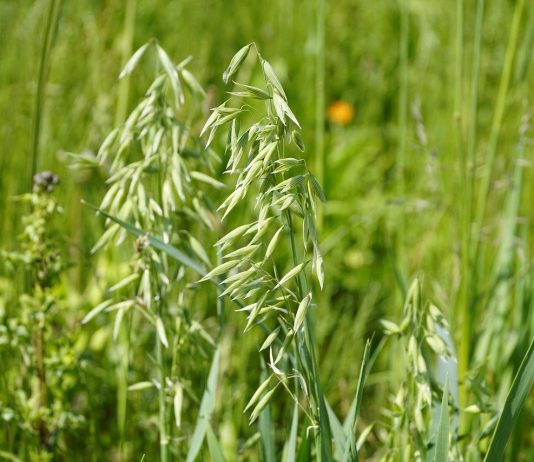
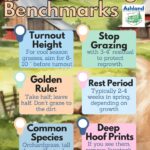
Grazing too early is like cashing a check before payday. Learn why waiting for proper plant height and using rotational grazing protects your forage all season.

A legacy in bloom: Work done today is foundation for tomorrow
Writer Aaron Dodds shares how his great-great-great-grandfather’s 19th-century farm legacy and the Founding Fathers shape modern agricultural stewardship.
Practice pasture patience: Why turning cattle out too early will cost you
Southeastern Ohio’s grass is greening up, but don’t open the gate yet. Learn why waiting for root establishment ensures a drought-resistant grazing season.

Field tile management: Tips for scouting and repairing field drainage
Before the planter hits the soil, it’s time to scout your fields. Learn how to maintain drainage tile, clear outlets and prevent costly blowouts this spring.

Working together to improve local SWCD tree and fish sales
Are your conservation sales spreading more than just plants? Discover how Soil and Water Conservation Districts can use collaboration to protect local ecosystems.

The fading flicker: How to save fireflies in your own backyard
Land development and light pollution are dimming the magic of lightning bugs. Learn simple steps to restore habitat and bring the glow back to your yard.

How to build a bird-friendly backyard habitat in Ohio this spring
Want more birds in your yard? Guernsey SWCD's Madyson Black talk about how to plant for pollinators, choose the right bird feeders and manage Ohio wildlife habitats this season.
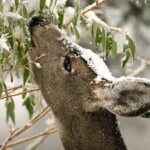
Healthy deer herds don’t happen by accident
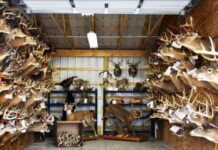
Stop the corn! Learn how deer adapt to winter diets and why spring minerals are the key to supporting antler growth and herd health on your land.